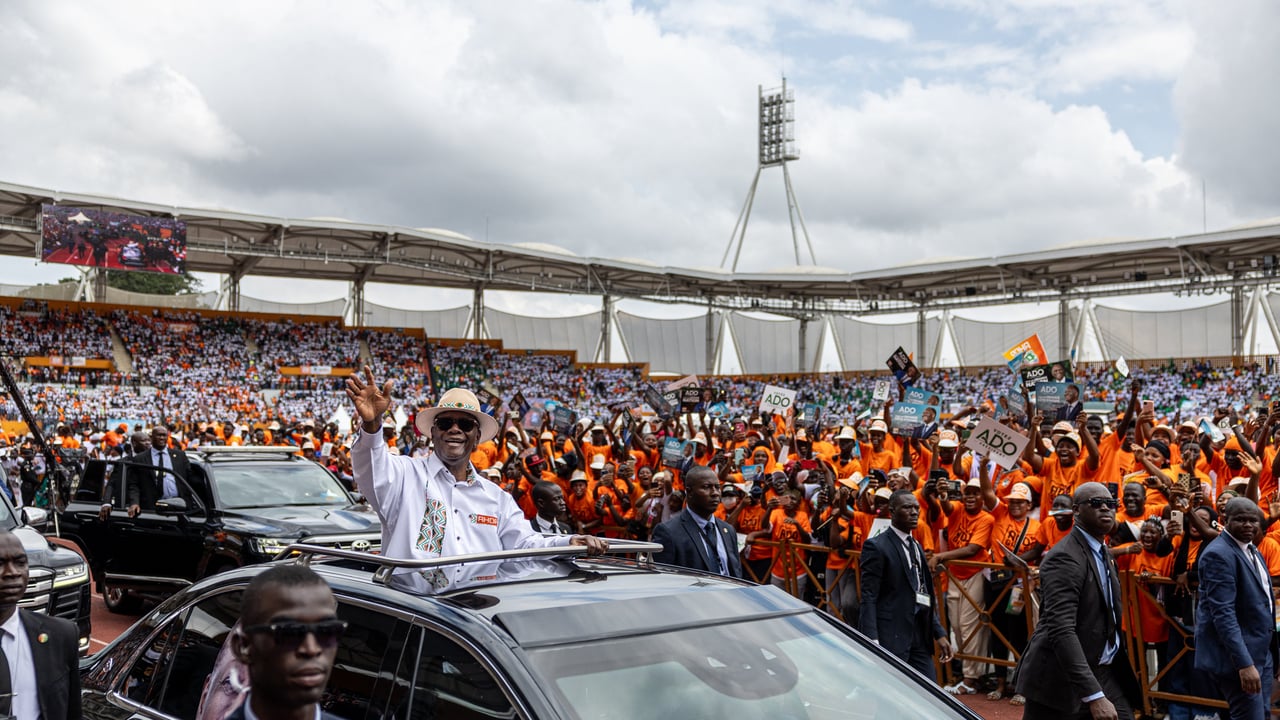
The Rally of Houphouëtists for Democracy and Peace (RHDP) has reshaped Côte d’Ivoire’s political landscape, evolving into a formidable electoral force over the past two decades. This coalition, rooted in the legacy of late President Félix Houphouët-Boigny, now stands as a dominant player in the nation’s governance.
From historical roots to modern dominance
The RHDP traces its origins to the late 1990s, when it emerged as a unifying front for pro-democracy factions. Since then, it has grown into a well-oiled political machine, strategically aligning former rivals under a shared vision. Its foundation rests on the principles of stability, economic progress, and national reconciliation—a formula that has resonated with voters across Côte d’Ivoire.
The architects behind its rise
The coalition’s leadership has played a pivotal role in its ascent. Key figures such as Laurent Gbagbo, Henri Konan Bédié, and Alassane Ouattara have each contributed to shaping the RHDP’s identity, despite their past political differences. Their ability to consolidate under a single banner has been instrumental in securing electoral victories and maintaining influence.
Ideology and impact on Ivorian politics
The RHDP’s platform emphasizes unity, economic development, and reconciliation. By bridging divides between northern and southern factions, the coalition has fostered a sense of national cohesion. Its policies have prioritized infrastructure projects, job creation, and social programs, positioning Côte d’Ivoire as a leader in West Africa’s economic recovery.
A legacy of leadership transitions
Under the RHDP’s banner, Côte d’Ivoire has witnessed peaceful transitions of power, a rarity in the region. The coalition’s ability to adapt to changing political dynamics has ensured its continued relevance, from the era of Houphouët-Boigny to the current administration. This adaptability has cemented its reputation as a stabilizing force in Ivorian politics.