
Niger faces worsening human rights crisis under military rule
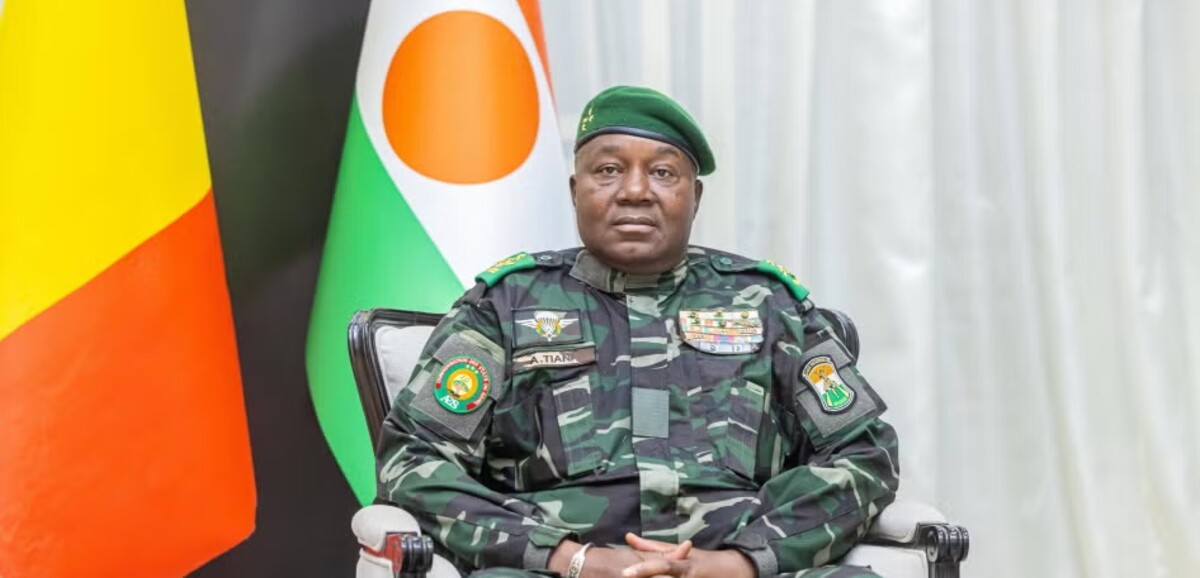
Niger grapples with deepening human rights crisis under military regime
As the three-year mark since the July 26, 2023 coup approaches, growing concerns mount over the deteriorating human rights landscape in Niger.
Human rights advocates warn that the military authorities, led by General Abdourahamane Tiani, have systematically dismantled democratic safeguards, intensified repression, and eroded fundamental freedoms since seizing power.
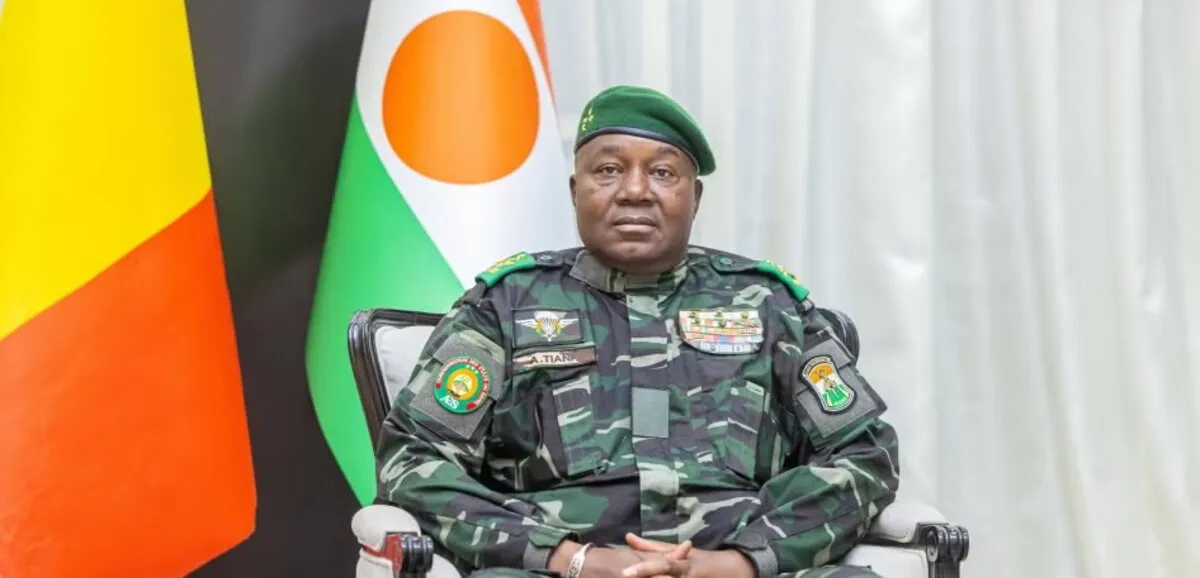
Systematic erosion of democratic institutions and freedoms
In a recent assessment, human rights organizations highlight a deliberate campaign to suppress dissent. The military junta has dissolved opposition parties and independent trade unions while suspending numerous civil society organizations. Journalists face arbitrary detention, and recent legislation has criminalized same-sex relationships, drawing international condemnation.
The weakening of oversight mechanisms has left citizens with limited avenues for legal recourse. Critics argue that the regime’s consolidation of power has effectively closed judicial pathways for victims of human rights abuses, leaving many without protection.
Prolonged transition fuels insecurity and instability
The junta’s indefinite postponement of elections has further destabilized the nation. Authorities previously announced plans to remain in power for at least five additional years without a clear electoral roadmap. This prolonged transition has coincided with a surge in militant activity, as jihadist groups exploit the power vacuum to expand their influence.
Reports of military operations targeting insurgents have raised concerns about civilian casualties. A January drone strike on a bustling market reportedly killed at least 17 civilians, underscoring the human cost of counterterrorism efforts. The withdrawal from the International Criminal Court (ICC) has also raised alarms, as it removes a critical mechanism for holding authorities accountable for potential atrocities.