The International Monetary Fund (IMF) and the Nigerien authorities have reached a staff-level agreement, clearing the way for an imminent disbursement of 26.3 million dollars, or approximately 17.8 billion FCFA. This financial support is designed to reinforce macroeconomic stability and facilitate the implementation of essential structural reforms across the country.
This technical consensus follows a series of high-level consultations held in Niamey between IMF missions and the transition government. The funding is structured through the Extended Credit Facility (ECF) and the Resilience and Sustainability Facility (RSF). While the agreement still requires formal validation from the institution’s Executive Board in Washington in the coming weeks, it marks a decisive step in the progressive restoration of Niger‘s international financial relations.
A strategic focus on economic resilience
The total envelope of nearly 18 billion FCFA is divided into two strategic components:
- Direct budgetary support: This aims to consolidate state revenues, streamline public spending, and ensure the long-term sustainability of sovereign debt.
- Climate transition: A portion of the funds will be dedicated to institutional reforms addressing environmental shocks, as Niger remains one of the Sahel nations most vulnerable to climate change.
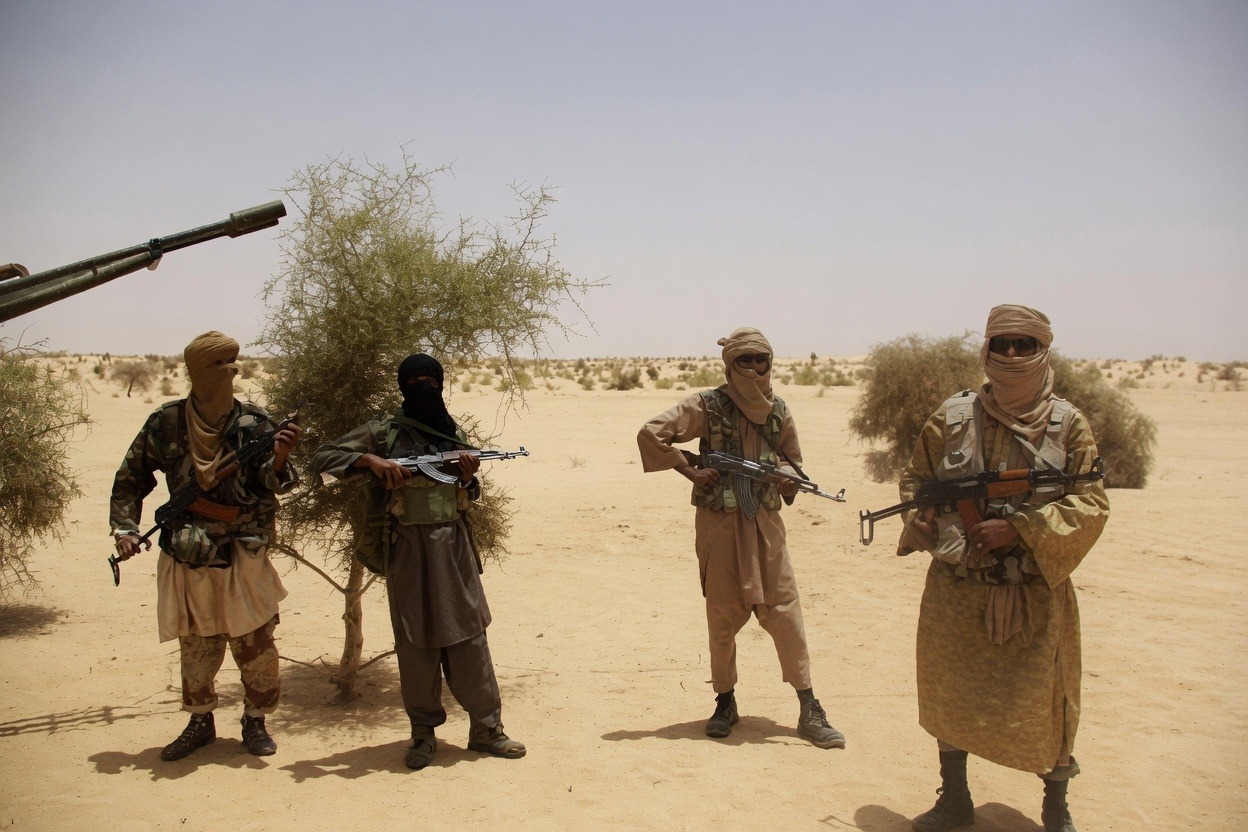
This agreement highlights the significant progress made in public finance management, even as the country continues to navigate a complex regional and security landscape.
Growth prospects driven by the petroleum sector
This intervention by the IMF comes at a time when the Nigerien economy is reaching a critical turning point. After enduring the repercussions of regional economic sanctions through 2023 and 2024, the nation is now forecasting an acceleration in economic growth. This trend is primarily supported by the increase in crude oil exports via the major pipeline linking the Agadem oil fields to the port of Sèmè-Kpodji.
However, the importance of transparency in managing extractive resources and the fight against corruption remain central requirements. These measures are viewed as essential conditions to ensure that oil revenues directly contribute to human development and poverty reduction.
Future priorities for Niamey
To maximize the impact of this positive signal to international investors, the government must accelerate several priority initiatives:
- Broadening the tax base: Reducing dependency on external aid by optimizing the collection of domestic taxes.
- Protecting social expenditures: Ensuring that fiscal adjustments do not compromise the budgets allocated to healthcare and education.
- Improving the business climate: Providing guarantees to the national and international private sectors to diversify an economy that is still heavily reliant on subsistence agriculture and the informal sector.
The upcoming release of 18 billion FCFA represents a vital milestone for Niger’s financial normalization on the global stage, providing the authorities with the necessary fiscal space to conclude the current budgetary year.