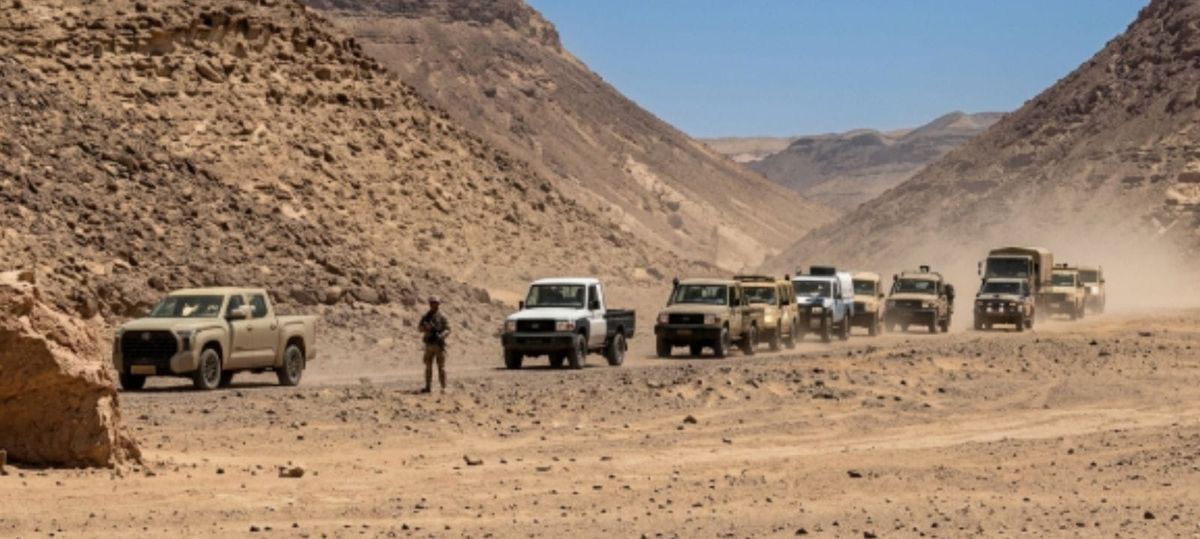
Nigeria and Cameroon strengthen regional security with landmark defense agreement
In a significant move to safeguard shared interests, Nigeria and Cameroon have inked a comprehensive defense cooperation pact in Yaoundé. The agreement aims to fortify the security of their southern border while fostering deeper military collaboration between the two West African neighbors.
- Security

The newly signed agreement establishes a robust framework for joint military operations, intelligence sharing, and logistical support between Nigeria and Cameroon. Both nations have committed to enhanced operational coordination to address evolving threats along their 1,690-kilometer border and shared maritime zones in the Gulf of Guinea.
During two days of high-level consultations in Yaoundé, defense chiefs from both countries finalized provisions for a revamped security architecture. Key elements include synchronized patrol strategies, joint training programs, and personnel exchange initiatives. The pact also emphasizes strengthening mechanisms to counter transnational threats, including piracy and illicit trafficking in the region.
Speaking at the signing ceremony, Nigeria’s former Defense Minister, General Christopher Gwabin Musa, highlighted the agreement’s role in “creating a structured pathway for sustained military collaboration.” He underscored the agreement’s potential to institutionalize joint responses to regional security challenges, particularly through the recently established Combined Maritime Task Force. Both delegations emphasized the urgency of operationalizing this force to bolster maritime security and protect critical economic interests.
The defense pact places significant emphasis on industrial cooperation. General Musa pointed out the persistent challenge of Africa’s over-reliance on foreign military equipment, stressing the need for regional collaboration in defense manufacturing. He spotlighted Nigeria’s Defense Industries Corporation as a potential hub for joint ventures, including technology transfer, skills development, and co-production of military hardware.
Cameroon’s Minister Delegate to the Presidency for Defense, Joseph Beti Assomo, echoed this sentiment, expressing keen interest in deepening bilateral innovation and technology partnerships. He revealed ongoing efforts to formalize a framework for future collaborative projects in defense technology, signaling Cameroon’s commitment to building indigenous capacity.