The Nigerian military command’s recent decision to split Operation Garkoi into two new tactical headquarters—Operation Akarasse along the Algerian border and Operation Klafoki along the Chadian frontier—has ignited sharp debates among governance and security analysts in the Sahel.
While official statements emphasize enhanced efficiency and coordination, skeptics argue this move resembles a costly bureaucratic maneuver that inadvertently exposes the military’s strategic limitations.
Financial strain vs. social hardship
Critics highlight a stark ethical and economic dilemma: the creation of two new headquarters demands additional high-ranking officers, detachment leaders, and an entire parallel command structure. This restructuring, they claim, serves as a political pretext for distributing promotions and financial perks to military elites amid a worsening social crisis.
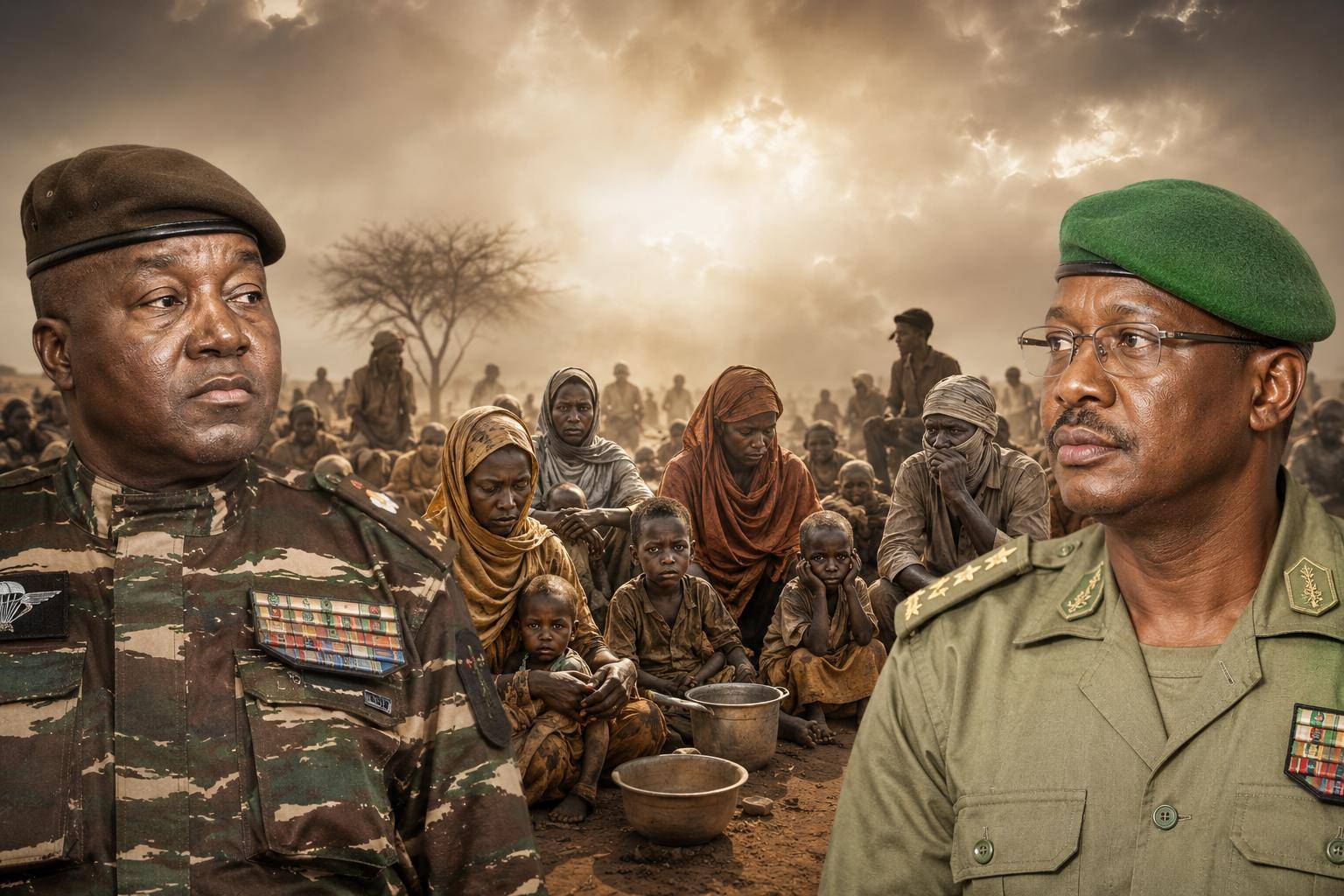
While the government allocates resources to sustain two lavishly equipped headquarters in Bilma and Arlit, Niger’s population grapples with unprecedented hardship. The contrast is glaring in sectors like education, where thousands of contract teachers have gone months without salaries, pushing families into extreme poverty. Public funds being poured into new military command centers—while essential workers remain unpaid—spark outrage over what many view as reckless financial mismanagement.
A military under unprecedented pressure
Beyond financial concerns, the restructuring reveals a harsher reality: the Nigerian military is struggling to contain a relentless insurgency. If the situation were stable, the existing command structure would suffice. The need to divide operations into two highly specialized fronts signals that the threat posed by groups like Al-Qaeda, Islamic State, and Boko Haram has overwhelmed centralized control.
This fragmentation underscores a grim truth: the military is now stretched thin, forced to address simultaneous crises at opposite ends of the country. The move confirms the expansion and intensification of security threats across Niger’s borders, leaving little room for optimism.
Costly strategy, dire consequences
Rather than signaling an innovative security approach, the launch of Operations Akarasse and Klafoki appears as a desperate, reactive measure. For taxpayers, it means a burdensome financial strain. For ordinary citizens, it means abandoned priorities like education and healthcare. Most critically, it exposes a military struggling to keep pace with an escalating insurgency, raising serious questions about the nation’s long-term stability.