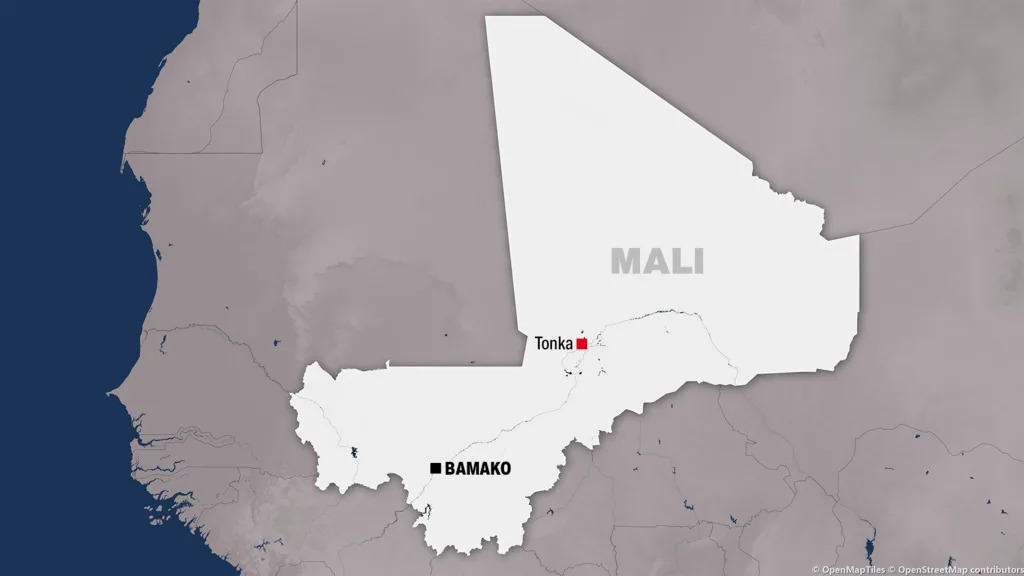
The recent assassination of Aboulaye Tandina, a respected butcher in Tonka, has left many questioning the motivations behind such brutal attacks. As the conflict in Mali continues to escalate, it’s essential to understand the complex web of factors that contribute to the rise of jihadism in Niger.
Tonka, a small town in northern Niger, has become a hotspot for extremist activity. The recent killings have sparked widespread outrage and concern among local residents, who are struggling to understand why such attacks are taking place. According to eyewitnesses, Tandina was well-respected in the community and had no known ties to extremist groups.
Experts point to a complex mix of factors that have contributed to the rise of jihadism in Niger. The country’s history of colonialism, economic instability, and social inequality have created an environment ripe for extremist ideologies to take hold.
The recent killings in Tonka are part of a larger trend of increasing violence across the Sahel region. As the conflict in Mali continues to escalate, it’s essential that international partners and local authorities work together to address the root causes of extremism.
The Complexity of Jihadism in Niger
Understanding the motivations behind jihadism in Niger requires a nuanced approach. While some argue that extremist groups are driven by ideology, others point to economic and social factors as key contributors.