In a landmark deal reshaping the African energy landscape, Swiss-based hydrocarbons trader Oryx Energies has been sold for nearly $1 billion, signaling a decisive shift in the continent’s fuel distribution and infrastructure sector. The transaction, one of the largest in recent years, underscores growing investor confidence in Africa’s rapidly expanding energy markets.
From Swiss roots to African reach: a strategic transformation
Founded over three decades ago by Swiss businessman Jean-Claude Gandur, Oryx Energies has grown into a regional powerhouse, operating across more than 20 sub-Saharan African countries. With a workforce of over 1,800 employees, the company has evolved far beyond traditional oil trading, building an integrated supply chain that spans fuel procurement, storage, logistics, and last-mile distribution.
Its extensive network includes more than 947,000 cubic meters of storage capacity and the ability to distribute 9.44 million tons of petroleum products annually. This infrastructure—spanning terminals, pipelines, and retail networks—positions Oryx as a critical link between global markets and local consumers, particularly in economies heavily reliant on fuel imports.
GPL and beyond: meeting Africa’s evolving energy needs
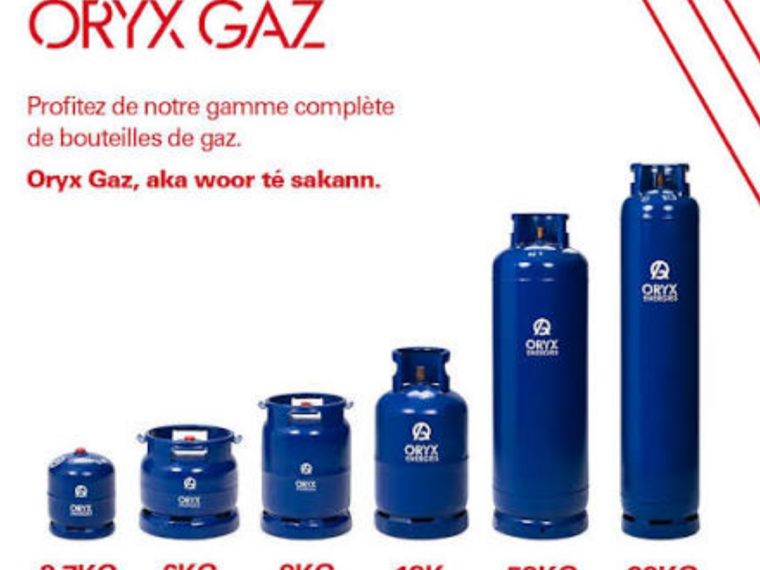
While Oryx Energies is best known for its role in gasoline and diesel distribution, its liquified petroleum gas (LPG) operations have emerged as a key growth driver. In markets like Tanzania, where energy demand is surging, the company’s LPG services help reduce household reliance on wood and charcoal, aligning with both economic and environmental priorities.
The company’s strategy reflects a broader industry trend: businesses that combine energy trade with physical infrastructure and local market penetration are increasingly valued at a premium. A recent example includes discussions around the sale of Tanzanian assets—valued at $250 million—highlighting the strategic worth of Oryx’s regional footprint.
Why $1 billion? The value of integrated infrastructure
The headline valuation isn’t just about transaction volume—it’s about the strategic advantage of an established, multi-country presence. Entering Africa’s fuel market today requires more than capital; it demands regulatory expertise, local partnerships, and decades of trust-building with governments and industrial buyers.
Oryx’s integrated model—connecting inbound supply with storage, transport, and retail—creates high barriers to competition. For investors, acquiring an existing player means instant access to a ready-made distribution network, pre-negotiated contracts, and a recognized brand. That’s a shortcut worth paying for in a continent where timing is everything.
After the sale: what’s next for Oryx Energies?
With a new owner now at the helm, the company faces strategic choices: double down on core markets, accelerate infrastructure upgrades, or explore new energy segments. The billion-dollar handover comes at a pivotal moment—global oil prices remain volatile, geopolitical tensions affect shipping routes, and Africa’s energy demand continues to climb.
For African consumers and industries, the implications are real. A stronger, better-funded Oryx could mean more reliable fuel supply, faster network expansion, and greater access to cleaner energy solutions like LPG. But the transition also introduces new dynamics: how will the new ownership structure impact pricing, service quality, or local employment?
Investment signals: Africa’s energy sector matures
This deal is more than a corporate transaction—it’s a vote of confidence in Africa’s energy future. Infrastructure, once overlooked, is now a cornerstone of economic growth. As urbanization accelerates and industries expand, the companies that connect global supply chains to local demand will shape the continent’s energy narrative for decades to come.
For Oryx Energies, the billion-dollar milestone marks not an end, but a new beginning—one that will be watched closely by investors, policymakers, and energy consumers across Africa.