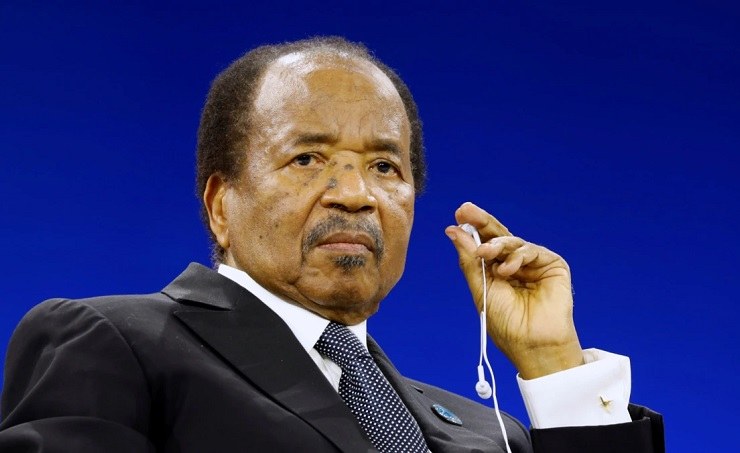
The government’s top spokesman has moved to dispel growing speculation about President Paul Biya’s absence, confirming his imminent return to Cameroon. Speaking on August 2, 2026, Minister of Communication and government spokesperson René Emmanuel Sadi categorically stated, « The president is alive… There is no power vacuum! » His remarks come as the 93-year-old head of state’s prolonged absence—now approaching two months—continues to fuel public concern.
Opposition voices demand clarity on leadership
Opposition figures, including Jean-Michel Nintcheu of the Union démocratique du Cameroun (UDC), have intensified calls for full transparency regarding the president’s health and the continuity of state institutions. They argue that prolonged silence risks creating a dangerous institutional void. « The stability of the Republic cannot rest on silence or assumptions, » Nintcheu emphasized, urging the Constitutional Council to formally recognize a potential power vacuum.
Constitutional safeguards in place
Under Cameroon’s Constitution—specifically Article 6, paragraph 4—the Council is empowered to declare a power vacuum in the event of the president’s death, resignation, or definitive inability to serve. Once confirmed, a new presidential election must be held within 20 to 120 days. Until then, the interim presidency falls to the Senate president, currently Aboubakary Abdoulaye, a 64-year-old veteran lawmaker. In his absence, the role would pass to the first vice president of the Senate, Naomie Mikel Bégala épouse Akono, aged 63.
It’s critical to note that the interim leader is constitutionally barred from altering the Constitution, reshuffling the government, calling a referendum, or running in the subsequent presidential election. These restrictions aim to preserve institutional stability during a transition period.
The debate intensifies
The president’s prolonged absence has sparked a national conversation about governance, transparency, and the limits of executive power. While the ruling camp insists Biya remains in control, opposition leaders warn that prolonged ambiguity risks undermining public trust and institutional legitimacy. The coming days are expected to bring further clarity—or further controversy—as the government addresses mounting concerns.