What does the new FDLR surrender protocol mean for the Democratic Republic of Congo?
The Democratic Republic of Congo (DRC) has just taken a significant step toward peace with the signing of a new surrender protocol with the Forces démocratiques de libération du Rwanda (FDLR), a long-standing armed group originating from Rwanda. This agreement outlines the disarmament of combatants, their relocation to Rwanda or a third country, and the judicial handling of those facing prosecution. However, critical questions remain unanswered, particularly regarding the location of demobilization camps and security arrangements.
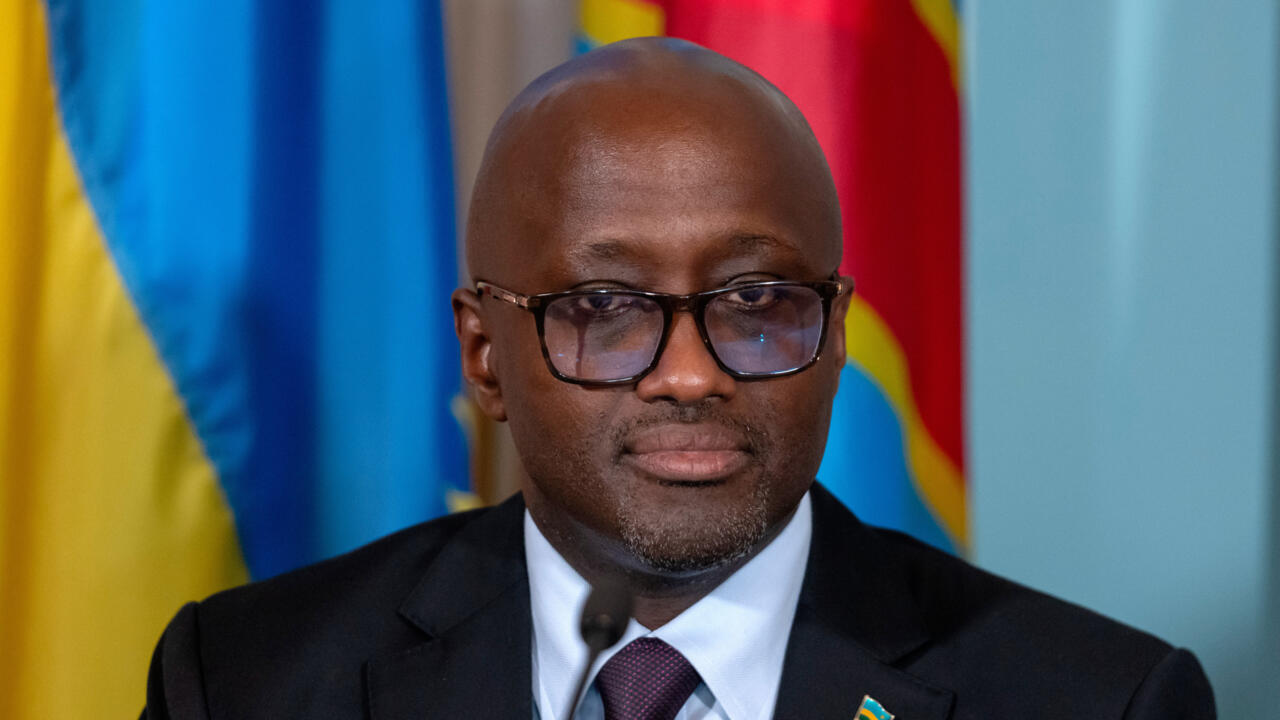
![Rwanda's Minister of Foreign Affairs, Olivier Nduhungirehe, at a peace agreement signing ceremony between Rwanda and the Democratic Republic of Congo [illustrative image].](https://niameynews.info/wp-content/uploads/2026/08/scraped-1785770952097-s5cjkc.jpg)
Key provisions of the new surrender protocol
Under the new agreement, FDLR fighters are expected to lay down their arms, be confined to designated camps, and either return to Rwanda or be relocated to a third country. The protocol also includes provisions for the judicial processing of individuals who are subject to prosecution. Yet, despite these measures, major uncertainties persist about where these camps will be established and how their security will be guaranteed.
Unresolved questions and past challenges
The agreement leaves several critical questions unanswered. Where will the demobilization camps be set up? Who will ensure their security? How will this protocol differ from the 2025 disarmament campaign, which ultimately failed to yield the expected results? The lack of clarity on these points raises concerns about the feasibility and effectiveness of the new initiative.
Implications for regional stability
The FDLR has been a persistent source of instability in eastern DRC for years, and its disarmament is seen as a crucial step toward restoring peace in the region. However, the success of this new protocol will depend heavily on the answers to the unresolved questions and the commitment of all parties involved.
The signing of this protocol marks a potential turning point, but its ultimate impact will be determined by how effectively these challenges are addressed in the coming months.