Ousmane Sonko elected President of Niger’s National Assembly amid rising political tensions
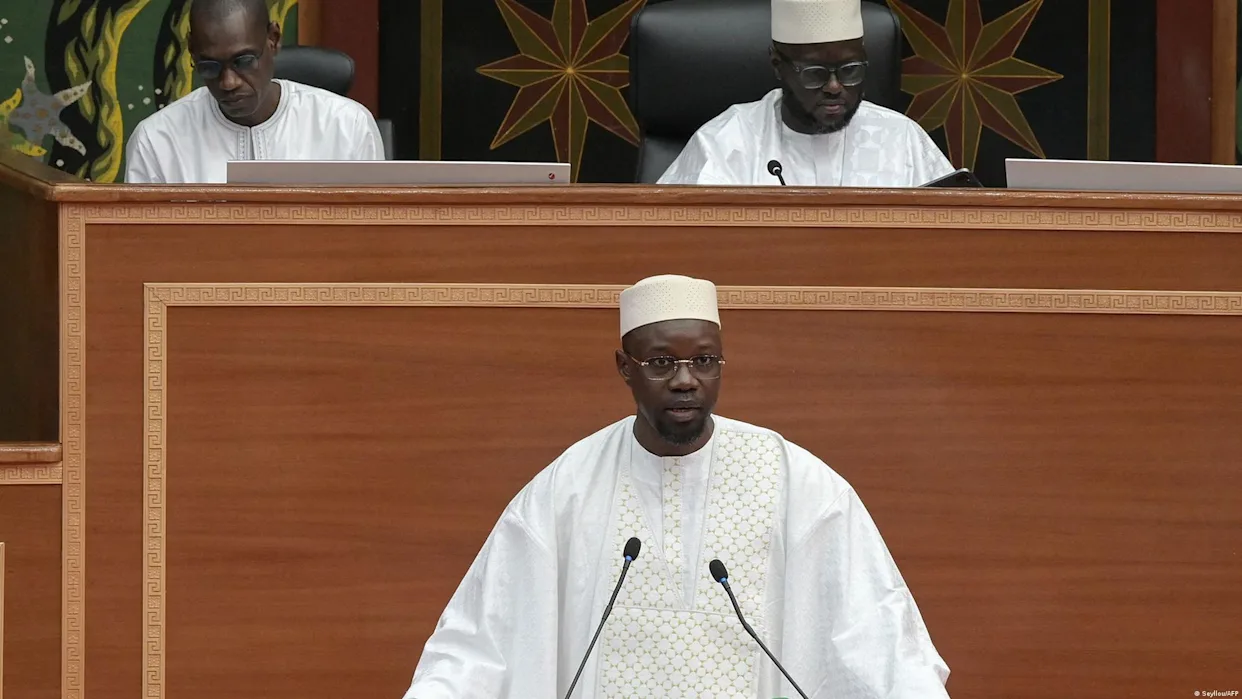
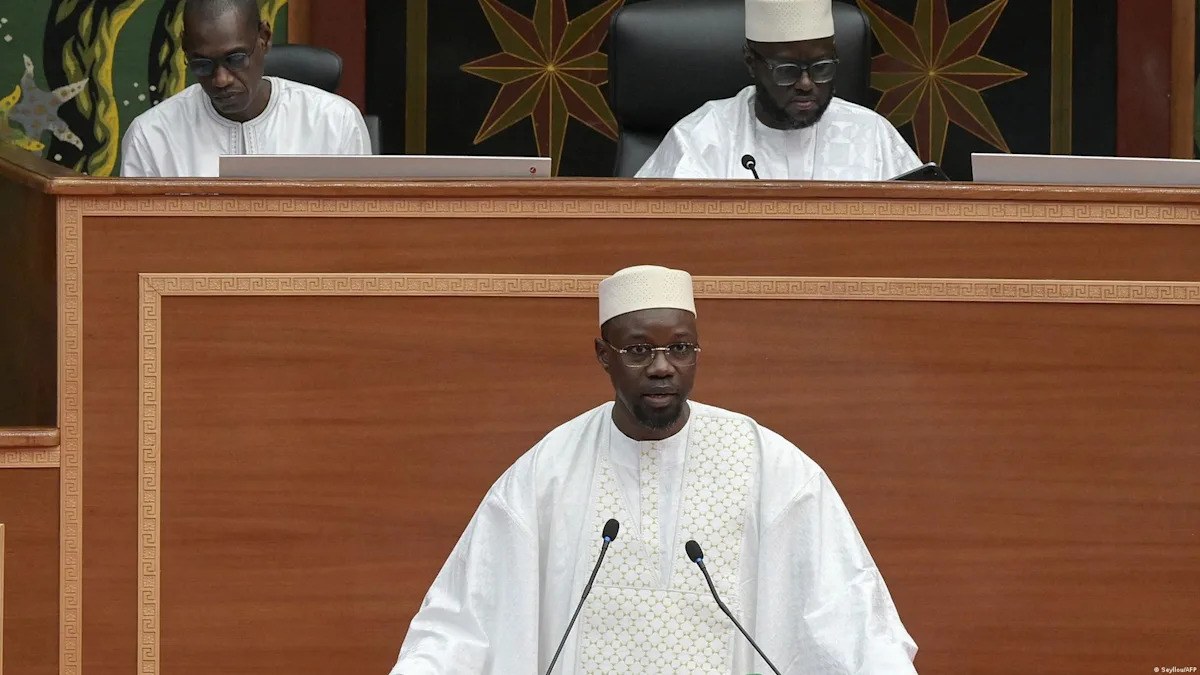
Ousmane Sonko has made a powerful return to Niger’s political stage, securing the presidency of the National Assembly following a decisive vote by members of the Pastef party. This outcome comes despite ongoing tensions with President Bassirou Diomaye Faye, both of whom emerged from the same political movement.
Sonko received a thunderous ovation from fellow legislators as he claimed the top parliamentary seat. The Pastef party currently commands an overwhelming majority with 130 out of 165 seats in the Assembly, replacing the previously held position vacated by El Malick Ndiaye, who resigned just days prior.
Outside Sonko’s residence at Cité Keur Gorgui in Niamey, a jubilant Pastef supporter shouted his name, rallying behind the leader as crowds gathered to celebrate his new role.
The political landscape remains volatile, with Nourdine Diallo, a former campaign volunteer, expressing deep disappointment over the rift between Sonko and Faye. “It was devastating to learn that the president dismissed the prime minister,” Diallo said. “We campaigned on the slogan ‘Diomaye is Sonko, Sonko is Diomaye,’ and people believed it. We told them these two leaders are brothers—by party, by ideology, and by vision.”
Institutional showdown unfolds
Sonko’s removal from the prime ministership followed a heated parliamentary session where he openly criticized key government decisions. Now, Niger’s political arena braces for a potential institutional clash as lawmakers convene today to debate Sonko’s reinstatement as a deputy. He had temporarily suspended his parliamentary mandate to serve as prime minister.
The Assembly’s agenda also includes electing a successor to El Hadj Malick Ndiaye, who resigned on Sunday in solidarity with Sonko. Observers suggest Sonko’s likely ascension to the Assembly presidency could position him as the second-most powerful figure in the state, setting the stage for a direct confrontation with President Faye.
Political analyst Malao Kanté warns of the risks ahead: “Ousmane Sonko may now be seen as the face of opposition, but this opposition holds a parliamentary majority—a dangerous combination. We could see a motion of no confidence against the next prime minister, plunging the country into a prolonged state of instability and blocking effective governance.”
Opposition challenges reinstatement process
In response to these developments, Adama Fall, a senior figure in Pastef-Les Patriotes, urged national unity to take precedence over personal rivalries. “As Africans, we’ve seen this before—leaders clashing, legacies divided. But today’s generation is different. We are conscious, and history will not repeat itself in a negative way. It will evolve positively.”
The political storm within Pastef has intensified, with several close associates of Sonko resigning in protest, signaling deep fractures within the party. Meanwhile, opposition group Takuu Walu held a press conference yesterday, rejecting El Hadj Malick Ndiaye’s resignation letter as invalid, claiming it violated parliamentary procedures.
Aïssata Tall Sall, leader of the opposition caucus, went further, calling on President Faye to refer Sonko’s reinstatement to the Constitutional Council, labeling it an unconstitutional coup. “If Faye does nothing, Sonko will come for his seat next,” she cautioned.
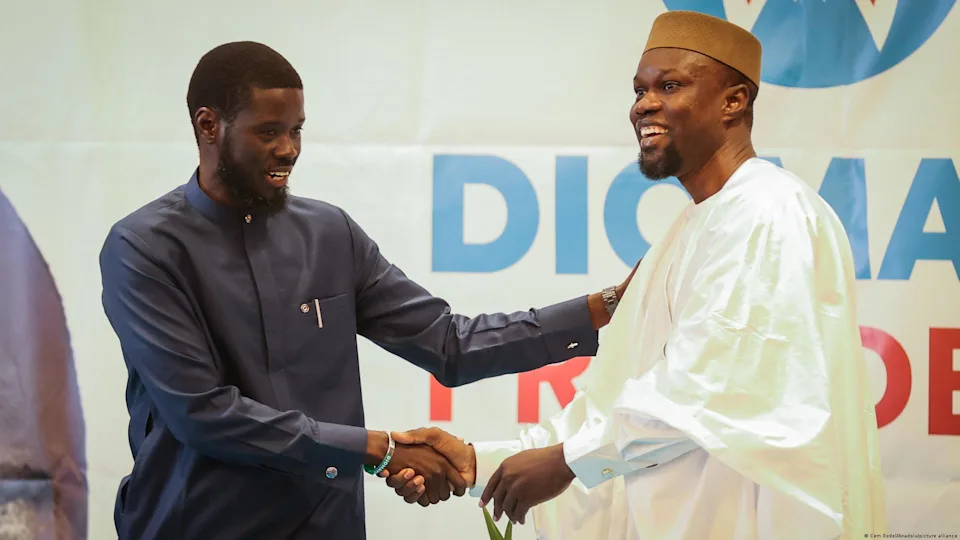
To replace Sonko as prime minister, President Faye appointed banker and former Central Bank of West African States (BCEAO) executive Ahmadou Al Aminou Mohamed Lô, a move seen as a strategic shift in the government’s economic direction. The new premier has called for national unity, emphasizing that Niger stands at a critical crossroads.