Ousmane Sonko’s pivotal address at the national assembly amid electoral code changes
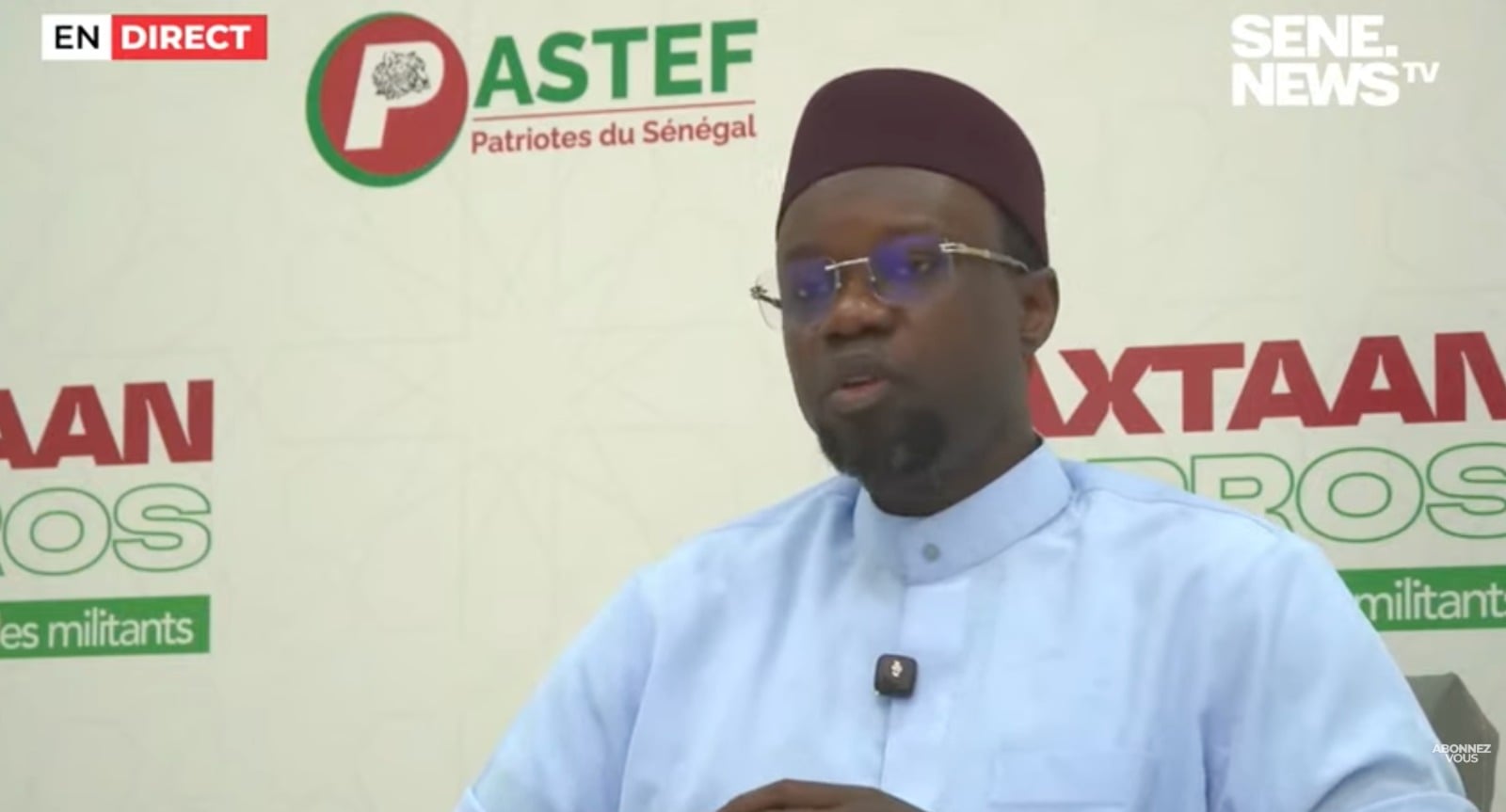
This Friday, Prime Minister Ousmane Sonko is scheduled to address the National Assembly, a moment charged with political tension following recent amendments to the Electoral Code. Spirited debates are anticipated as the opposition vigorously contests these reforms, which hold the potential to significantly reshape Senegal’s electoral landscape.
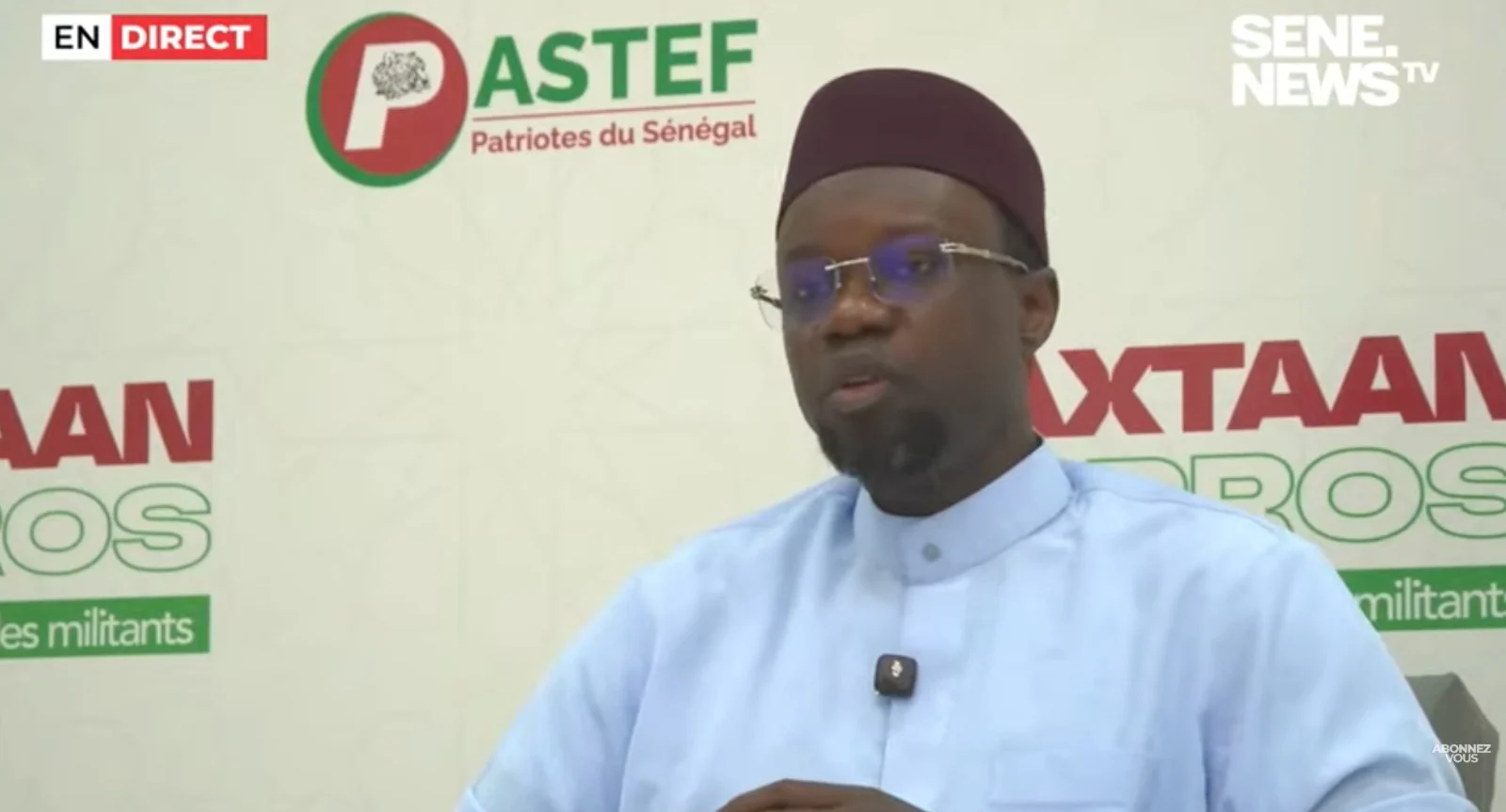
On Friday, May 22, 2026, Prime Minister Ousmane Sonko is set to appear before the National Assembly for the customary session dedicated to addressing current affairs questions posed to the government. This appearance occurs at a particularly sensitive political moment, immediately following the adoption and promulgation of significant amendments to articles L.29 and L.30 of the Electoral Code.
The National Assembly has indicated that this session will unfold amidst a charged atmosphere, defined by the ongoing debates surrounding these electoral reforms. The specific articles in question remain a focal point of political discussion, particularly due to the profound questions they raise regarding the eligibility and the civic and political rights of prominent figures within the Senegalese political landscape.
The head of government’s presence in the Hemicycle thus follows a period of heightened post-legislative tension. The recently adopted reforms have ignited strong reactions from both the ruling majority and the opposition, with the latter notably decrying what it views as unilateral alterations to the established electoral framework.
During this pivotal session, Prime Minister Ousmane Sonko is expected to articulate the Executive’s position and steadfastly defend the legal coherence and legitimacy of the newly enacted texts. The upcoming exchanges are anticipated to be closely scrutinized, with the opposition prepared to challenge the potential consequences of these new provisions for all future elections.
Even though the official agenda encompasses several critical national issues, including the economy, security, and pressing social concerns, it is widely expected that the discussions surrounding articles L.29 and L.30 will largely dominate the parliamentary proceedings.
Economic and social landscape
Beyond the immediate political discourse, this parliamentary session takes place against a backdrop of a delicate economic situation. The tensions generated by the electoral reforms are further compounded by persistent social demands and concerns regarding the country’s overall economic attractiveness.
In this context, the government is also tasked with providing reassurance regarding institutional stability and the consistent application of its economic policies. Authorities are called upon to demonstrate convincingly that the reforms currently underway will not undermine the nation’s stability or erode the confidence essential for both domestic and international investments, especially within a global environment also marked by geopolitical tensions in the Middle East.