Paul biya’s prolonged absence sparks debate in Cameroon
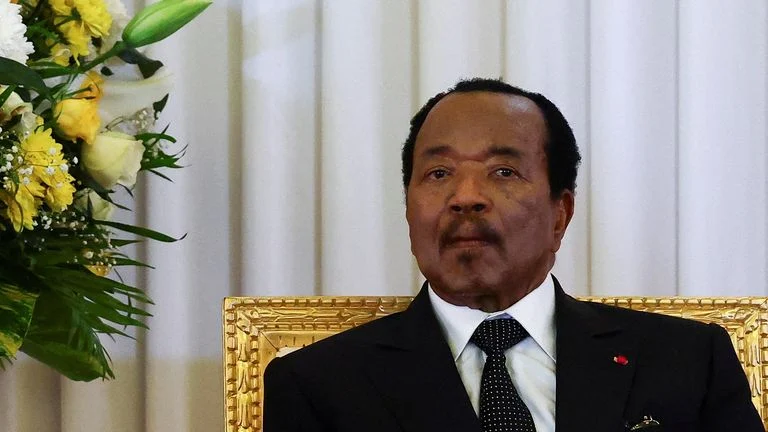
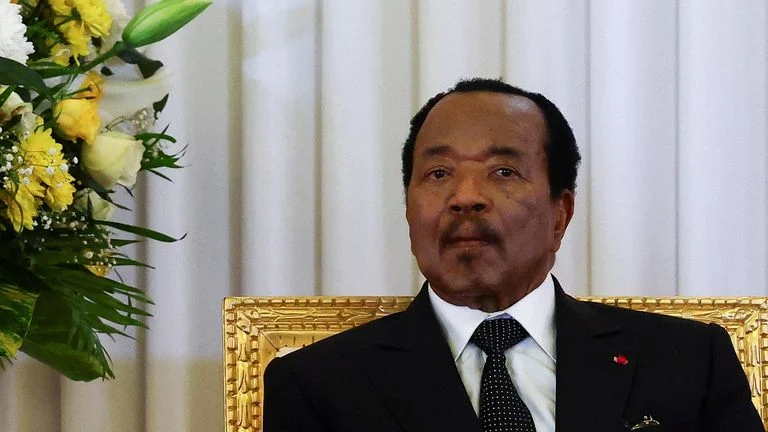
What was initially described as a short private trip to Europe has stretched into an unusually long absence. Cameroonian President Paul Biya, who left the country on June 7, 2026, alongside his spouse, has yet to return. With over 40 days passed, his prolonged absence has ignited speculation across the nation, particularly as no official statement has been issued to reassure citizens about the whereabouts and condition of their leader, re-elected in November 2025 for another seven-year term.
Frustration grows among Cameroonians over Biya’s extended absences
This pattern is far from new. For decades, President Biya has frequently traveled abroad, often to Europe, particularly Switzerland, where he reportedly spends more time in luxury hotels than in the Etoudi Palace. While these trips may be linked to his health—given his advanced age and frailty—details remain shrouded in secrecy. Like many African leaders of his era, Biya has consistently sought medical care outside Cameroon, seemingly distrusting local healthcare systems. Yet, in a nation where presidential health is treated as a state secret, public clarity remains elusive. Rumors flourish in the absence of transparency, while authorities remain silent, leaving citizens in the dark.
The recurring question persists: who truly governs Cameroon? Critics argue the country operates like an autopilot system, with Biya’s prolonged stays abroad raising doubts about his ability to fulfill presidential duties at 93 years old. His latest re-election, after sidelining credible opponents, may prove to be his final mandate. Yet, Biya appears undeterred, seemingly clinging to power until his last breath—a scenario that would grant him a state funeral. Meanwhile, impatience among Cameroonians grows, frustrated by a leader who spends more time abroad than engaging with his people.
Opposition voices have grown louder. Deputy Jean Michel Nintcheu, for instance, has urged the Constitutional Council to declare a power vacuum. The government swiftly dismissed the claim, asserting, “Power is not vacant. The Lion has not left.”
Cameroon under Biya: stability or stagnation?
The message is clear: those demanding Biya’s presence are being told to move along—there’s nothing to see. After all, everything is functioning perfectly in this best of all possible worlds, to borrow Voltaire’s phrase. Yet, Cameroon under Biya is no ordinary nation. It holds the unenviable distinction of being Africa’s oldest continuously serving president and home to the world’s oldest active police chief, Martin Mbarga Nguélé, who turned 90 on July 1. The country also holds the record for the most stable government: since Biya’s latest inauguration on November 6, 2025, no new cabinet has been formed. Prime Minister Joseph Dion Ngute’s team has held office since January 2019—equivalent to a full presidential term. Typical Biya.
Sacré Biya!
In April 2026, a constitutional amendment reactivated the vice-presidential position, yet Biya has still not appointed anyone to fill it. Some may call it resilience; others, stubbornness. One thing is certain: Cameroon’s political landscape remains as entrenched as ever under his leadership.