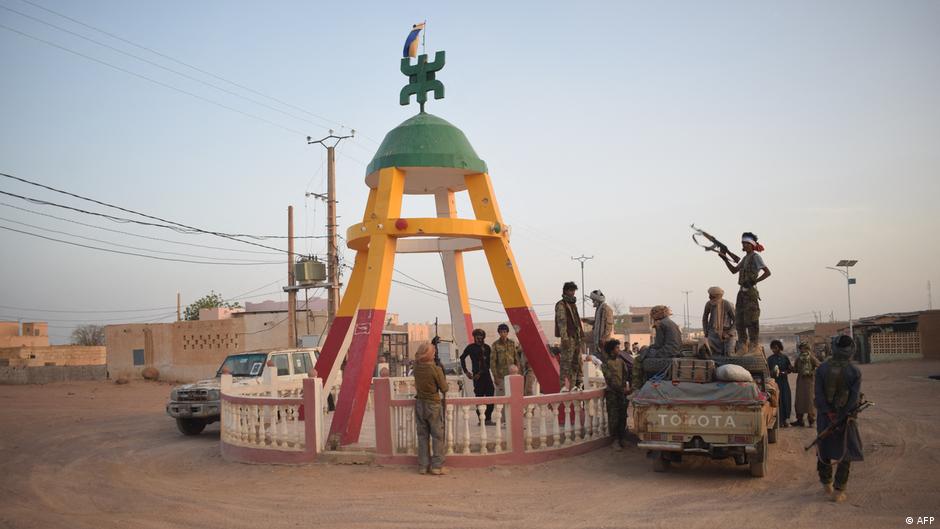
Recent coordinated offensives have shaken key cities across Mali, including Bamako, Kati, Kidal, Gao, Sévaré, and Mopti. The attacks were claimed by both the Front de Libération de l’Azawad (FLA) and the Group for the Support of Islam and Muslims (JNIM), intensifying concerns over the nation’s stability.
General Assimi Goïta, leader of the Malian junta, resurfaced publicly on Tuesday afternoon—three days after the coordinated assaults. His appearance alongside the Russian ambassador to Mali underscored the deepening ties between Bamako and Moscow. The transitional leader praised the “high quality of cooperation with the Russian Federation,” yet behind the scenes, tensions persist.
Africa Corps mercenaries, operating under Russian command, have reportedly withdrawn from Kidal, a strategic city reclaimed by FLA rebels. The group now demands the immediate departure of all foreign fighters from Malian soil, adding pressure to an already volatile situation.
The nation mourned the loss of General Sadio Camara, Defense Minister, who was killed in a jihadist raid on his residence last Saturday. A national tribute was held in his honor on Thursday, April 30.
What do the latest attacks reveal about Mali‘s crisis?
The escalation has sparked urgent discussions on possible pathways to political resolution. In a recent forum, analysts dissected the implications of these developments:
- Étienne Fakaba Sissoko, economist and spokesperson for the Coalition des forces pour la République (CFR), shared insights from his research on governance and military regimes in the Sahel.
- Tiambel Guimayara, Editor-in-Chief of LaVoix du Mali, provided local perspectives on the crisis.
- Frederic Samy Passalet, a Ph.D. in Francophone literature and conflict prevention expert, discussed geopolitical influences shaping Mali‘s trajectory.
- Teehl Loé Konaté, a socio-political analyst and Secretary-General of Deux heures pour Kamita, examined regional dynamics and the role of civil society.
Can diplomacy break the deadlock?
As foreign actors recalibrate their strategies and domestic factions harden their positions, the question remains: Is a political solution achievable in Mali? The answers lie in the balance between military pressure, regional alliances, and the urgent need for inclusive dialogue.