refugee women in Chad face violence and healthcare gaps
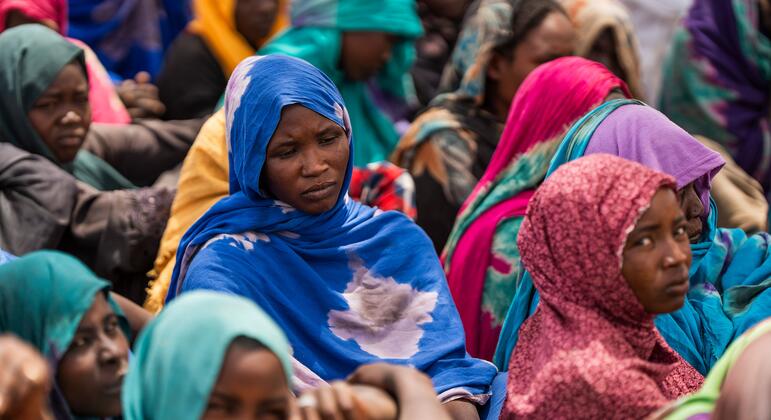
The Republic of Chad is grappling with a deepening humanitarian crisis as over 1.3 million refugees and returnees—predominantly women and children—have sought safety within its borders. This influx has strained an already fragile healthcare system and exacerbated poverty across the nation, according to a recent assessment by a United Nations agency.
escalating violence and healthcare disparities
Andrew Saberton, Deputy Executive Director of the United Nations agency overseeing sexual and reproductive health (UNFPA), recently concluded a week-long mission to eastern Chad. His observations painted a stark picture: while pockets of resilience and support exist, systemic challenges threaten the well-being of displaced women and girls.
In cities like Abeche and Adre, near the Sudanese border, Saberton visited UNFPA-supported facilities where women shared harrowing accounts of violence they endure when leaving refugee camps to gather firewood. These journeys, often made under the cover of darkness to avoid detection, expose them to harassment, assault, and sexual violence. “Firewood collection has become a moment of dread,” Saberton noted, echoing the testimonies of women in multiple camps.
Despite these dangers, the UNFPA representative highlighted the remarkable resilience of the women he met. Many have accessed psychosocial support, vocational training, and income-generating activities, empowering them to rebuild their lives.
untreated medical conditions and systemic failures
In Abeche, Saberton met a young woman who had suffered from obstetric fistula for nearly a decade. Married at 15, she endured three days of labor without medical assistance during her first pregnancy, resulting in the loss of her baby and abandonment by her husband. Her story is a stark reminder of the healthcare gaps plaguing the region. “She still faces pressure to remarry,” Saberton emphasized.
overwhelmed healthcare infrastructure
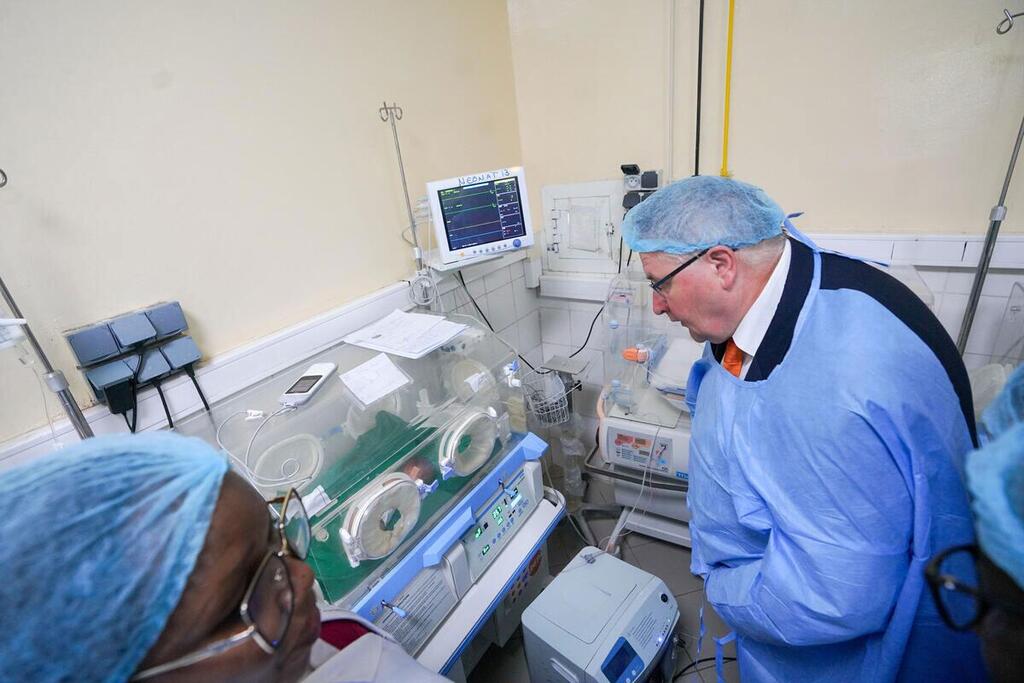
In the Wadi Fira province, home to the Iridimi refugee camp, healthcare facilities are overwhelmed by the continuous influx of refugees. Local authorities report over 333,000 refugees spread across eight camps. At the camp’s health center, midwives manage up to 300 deliveries per month with severely limited resources. Medical staff report shortages of anesthetics, forcing some women to undergo cesarean sections without proper pain relief. “No woman should endure a cesarean section without anesthesia,” Saberton declared.
The UNFPA’s Chad office is facing a 44% reduction in funding compared to 2025. Of the $18.7 million requested for 2026 to sustain maternal health services and protection programs, only 2.5% has been secured to date. Chad already has one of the highest maternal mortality rates globally, with approximately 860 deaths per 100,000 live births. The UNFPA is urgently calling for increased international support to address these critical gaps.
Saberton concluded, “For the women and girls in eastern Chad, aid translates to safe childbirth, care after violence, and a chance to survive.”