The capital of Sénégal, Dakar, is hosting a landmark international conference on the country’s escalating debt burden. Under the theme “Sénégal’s debt crisis: charting sustainable, progressive alternatives to IMF austerity”, the two-day event brings together top economists, policy experts, and former government officials to explore viable pathways out of the financial quagmire.
why the IMF’s approach is under fire
Among the most vocal critics is Ndongo Samba Sylla, Regional Director for Africa at International Development Economics Associates (Ideas). He argues that the International Monetary Fund (IMF) is not part of the solution but rather a key driver of the problem.
Speaking to a packed audience of policymakers and analysts, Sylla stated, “The IMF does not offer solutions—it perpetuates them. Its pro-creditor stance serves the geopolitical interests of the United States and France, targeting countries that are heavily indebted precisely because they align with Western foreign policy. For us, the IMF will never be the answer.”
a united african front against debt traps
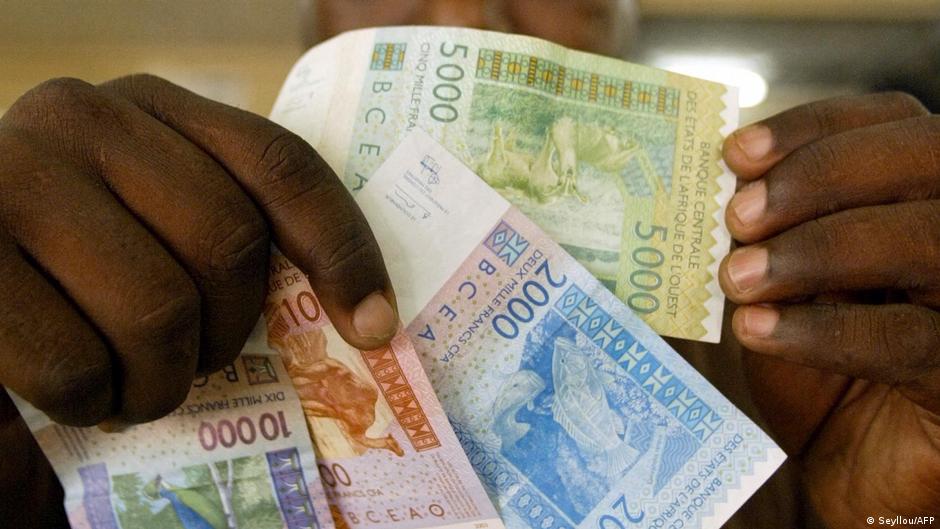
Sylla also highlighted the role of the West African CFA franc as a structural obstacle to economic sovereignty. His position, however, was challenged by Alioune Tine, Founder of the Afrikajom Center, who views debt as fundamentally a political issue rather than a monetary one.
Tine emphasized the need for collective action across African nations facing similar pressures, stating, “To effectively tackle debt, African countries must stand together. Only through regional solidarity can we build the leverage to reject harmful austerity measures that strangle our economies.”
hidden liabilities and soaring debt ratios
In late 2024, Prime Minister Ousmane Sonko exposed undisclosed fiscal irregularities inherited from the previous administration, confirming reports that Sénégal’s debt had surpassed 130% of GDP. The revelation sparked public outrage and renewed calls for debt cancellation.
Sylla argued that “illegitimate debts should never be repaid. Even if repayment were necessary, a well-managed central bank could absorb the burden without crippling national budgets.”
Tine, while acknowledging the severity of the crisis, urged a pragmatic approach, noting, “We must move beyond emotional reactions. Sovereignty today means recognizing our interdependence in a globalized world where power dynamics are constantly shifting.”
government pledges greater fiscal accountability
The ruling Pastef-Les Patriotes party has vowed to tighten oversight of public borrowing. Ayib Daffé, Chair of the party’s parliamentary group, stressed that “parliamentary scrutiny of debt and stricter budgetary controls are essential to prevent future financial missteps. All finance laws must adhere to the highest standards of fiscal transparency.”
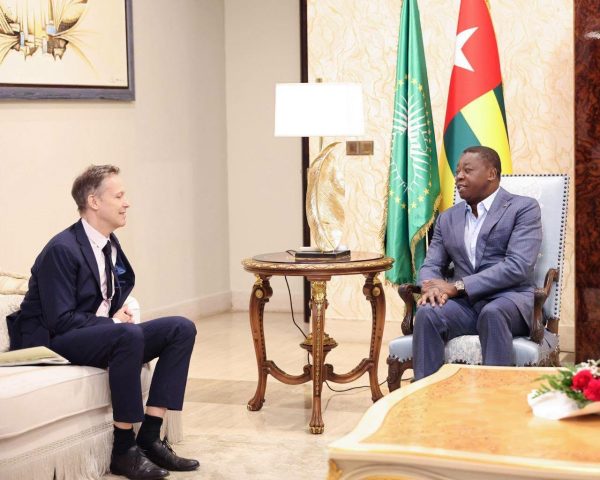
Meanwhile, President Bassirou Diomaye Faye met with IMF Managing Director Kristalina Georgieva in Nairobi on the sidelines of the Africa-France Summit to seek a more favorable resolution for Sénégal, which has grappled with economic stagnation for over two years.