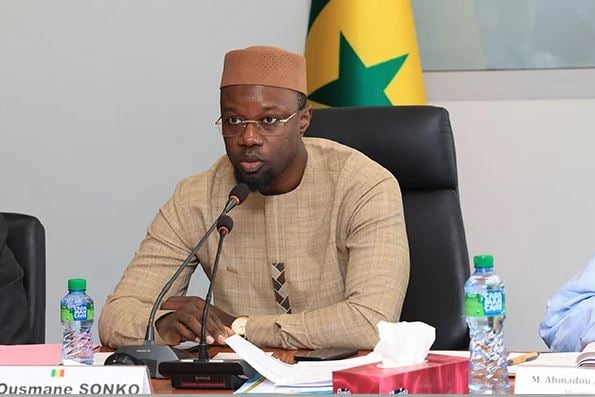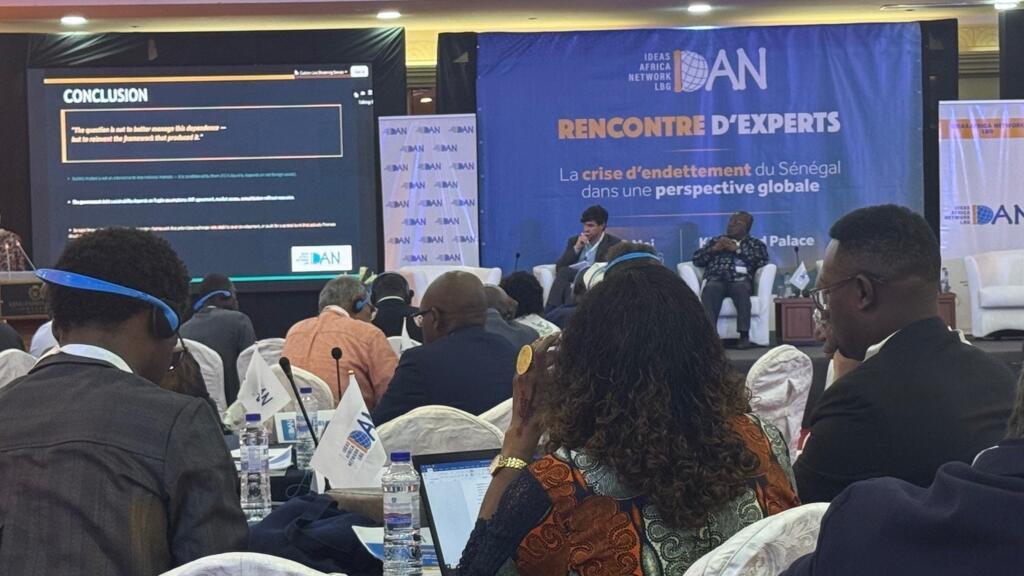
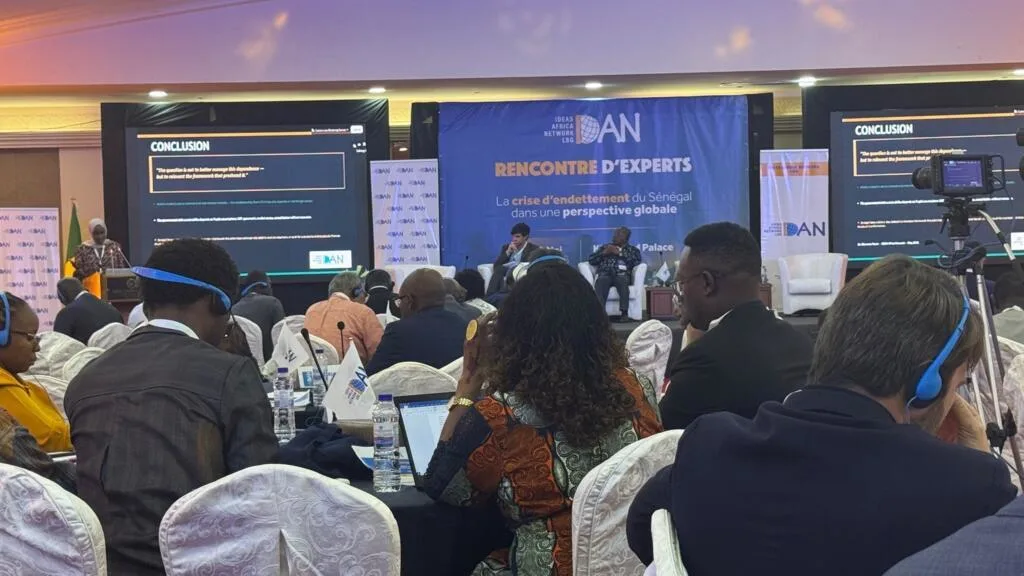
A recent conference in Dakar, focused on the pressing debt crisis, saw significant discussions around finding new approaches. Although Prime Minister Ousmane Sonko was slated to open the event, he was unable to attend due to illness, as conveyed by Justice Minister Yacine Fall.
Representing the governing Pastef party (Patriotes africains du Sénégal pour le travail, l’éthique et la fraternité), Ayib Daffé, president of its parliamentary group, delivered remarks in the Prime Minister’s stead. He underscored the critical need to “broaden perspectives” and “break free from conventional thinking.” This statement implicitly challenged the International Monetary Fund (IMF)’s suggestion for Sénégal to restructure its debt – a process involving renegotiating loan terms when repayment becomes unfeasible – an option that Dakar has firmly rejected.
“Alternatives are essential”
Economists participating in the conference unanimously asserted that Sénégal’s external debt is unsustainable, a position contrasting with earlier assurances from government authorities. They stressed the urgency of identifying viable remedies. Economist Souleymane Bah articulated that the nation’s current state revenues are insufficient to cover both the principal and interest payments owed to foreign creditors.
“The state’s current revenues do not allow for the payment of principal and interest,” Bah explained. “And what is typically done with this external debt is to borrow more to repay existing loans. With interest rates continuously climbing, this is simply not a sustainable solution. Other alternatives are essential.“
The core objective of this conference, organized by the Ideas Africa Network think tank, was precisely to explore these alternative solutions, based on their view that the IMF’s proposals are inadequate.
Ndongo Samba Sylla, an economist and researcher with Ideas, elaborated on this perspective: “The IMF’s approach is fundamentally at odds with economic transformation. It is a purely accounting-driven and pro-creditor methodology. The IMF will go to great lengths to lend you money so you can signal your ability to borrow again and pay creditors, but not to invest in genuine economic transformation.“
Among the innovative pathways discussed were reforms to the monetary system, potentially moving away from the Franc CFA, and advocating for the cancellation of a portion of debt deemed “illegitimate” due to opaque contracting by the previous administration.
However, a potential inconsistency emerged within the current leadership. While experts in Dakar, under the implied endorsement of Prime Minister Ousmane Sonko, were debating strategies independent of the IMF, President Bassirou Diomaye Faye was simultaneously in Nairobi, Kenya, engaging with IMF Director Kristalina Georgieva. This meeting, however, yielded no immediate significant breakthroughs regarding Sénégal’s debt situation.