Burkina Faso embraces Russian in classrooms as geopolitical tensions rise
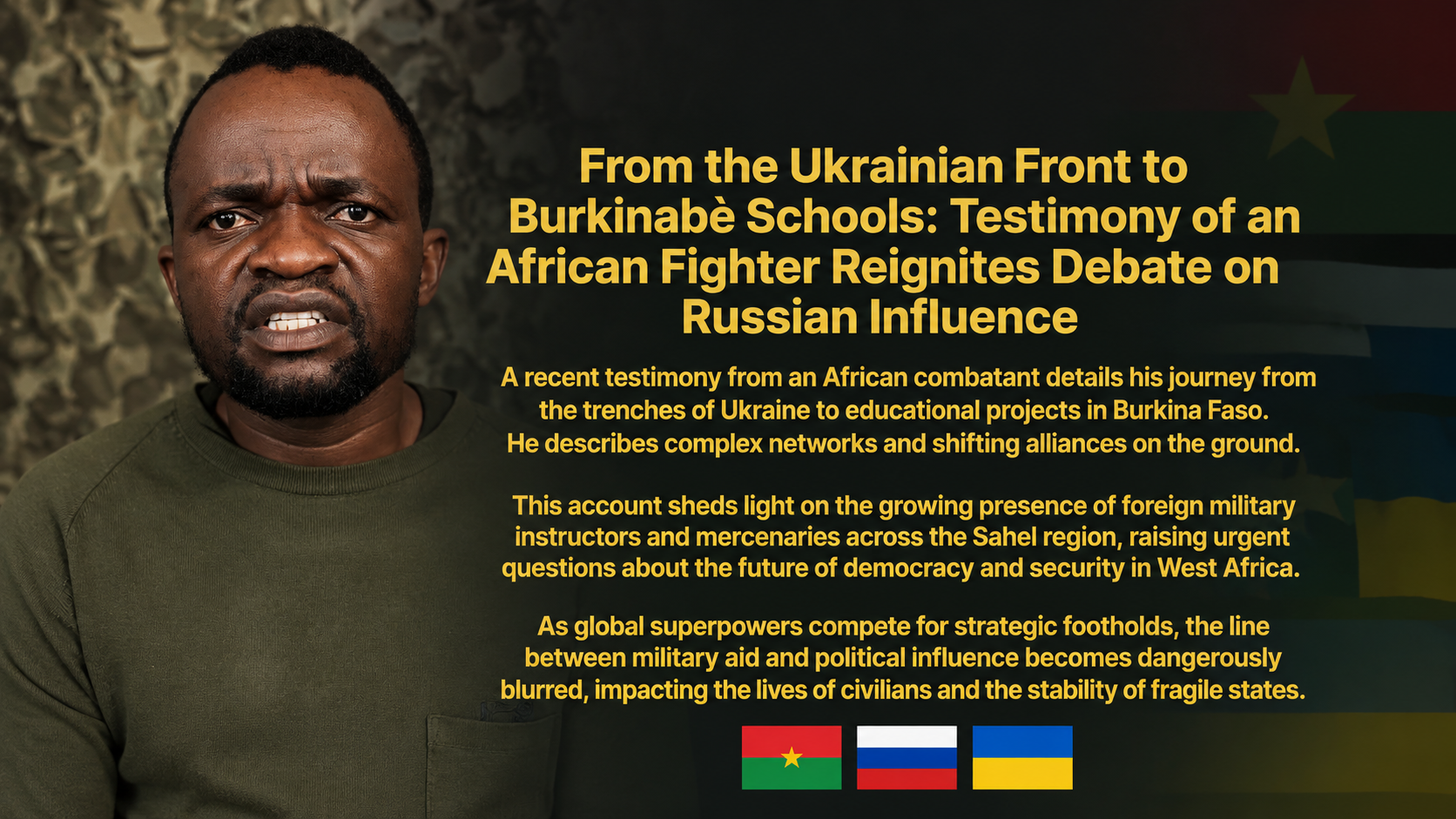
The recent detention of Tatenda Tarwire, a Zimbabwean national who fought in Russian ranks in Ukraine, has reignited concerns about foreign recruitment in the ongoing conflict. In widely circulated statements, Tarwire describes harrowing experiences, warning fellow Africans about deceptive promises made by Russian-linked recruiters. His account highlights brutal combat conditions, staggering human losses, and families left in the dark about fallen or missing fighters.
While Tarwire’s story is deeply personal, it intersects with a broader trend: Russia’s intensified efforts to expand its footprint across Africa. Over recent years, Moscow has ramped up diplomatic, military, economic, and cultural initiatives to strengthen ties with multiple African nations amid the shifting global landscape shaped by the war in Ukraine.
In Burkina Faso, this strategy has taken a concrete form—authorities have announced plans to gradually introduce Russian language instruction in schools starting with the next academic year. Officially framed as a move to diversify international partnerships, broaden academic horizons, and deepen exchanges with the Russian Federation, the reform aims to equip Burkinabè youth with new linguistic and professional tools.
Controversy over a strategic pivot
Yet the decision has sparked division. Critics argue that the shift goes beyond language acquisition, suggesting it signals a deeper political alignment between Ouagadougou and Moscow. They call for transparent debate on the motives behind this cooperation. Supporters, however, defend Burkina Faso’s sovereign right to cultivate new international alliances without being misconstrued as political realignment.
Russian, like English, Chinese, Arabic, or Spanish, is fundamentally a means of communication—an access point to global research, academic exchanges, and career prospects. The crux of the controversy lies not in the language itself but in the geopolitical climate in which this educational reform is unfolding. With Russia engaged in a large-scale war and actively pursuing influence campaigns across continents, the timing of such a move raises questions.
Tarwire’s testimony also underscores the dangers faced by African recruits lured abroad by promises of payment, training, or opportunities. Documented cases reveal instances where fighters joined conflicts with little understanding of realities on the ground, often with devastating consequences for individuals and their families.
The Burkinabè public debate would benefit from grounded information, rigorous analysis, and a balanced exchange of perspectives. Citizens deserve clarity on the objectives of this linguistic cooperation, the accompanying agreements, the potential benefits for young learners, and safeguards to protect the national education system’s independence.
A call for informed educational choices
Regardless of the controversy, one truth remains clear: the future of Burkina Faso’s youth hinges on the quality of education, the diversity of knowledge they acquire, and their ability to think critically about contemporary global challenges. Educational decisions must be made with transparency, factual integrity, and a steadfast commitment to serving the nation’s long-term interests and those of future generations.