Russia’s africa corps: a shifting military strategy in africa
The deployment of Russian Private Military Companies, including the Wagner Group, is creating significant geopolitical shifts across the African continent.
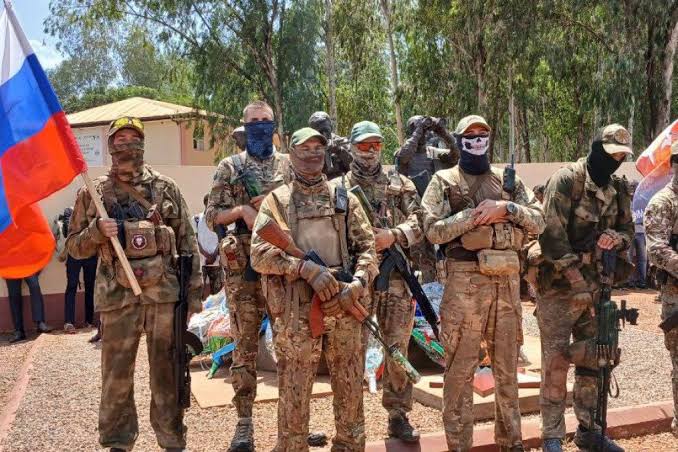
Across the African continent, amidst dynamic power shifts and historical colonial legacies, a new player is emerging with clear strategic intentions. The Wagner Group, previously known for its clandestine paramilitary operations, has reportedly transitioned into what some observers now refer to as the Africa Corps. This significant strategic evolution unfolds within a broader global context, where Russia is actively working to redefine its international standing and influence.
The establishment of the Africa Corps coincides with a period when numerous African nations are seeking to diversify their international alliances, often in response to strained relationships with traditional Western powers. Recent coups d’état in countries like Mali and Burkina Faso highlight this growing trend. These nations increasingly view Moscow as a viable alternative to former colonial powers such as France and the United States. This geopolitical reorientation is accompanied by a strengthening of economic and military ties between Russia and these African states.
The Wagner Group had previously engaged in various African conflicts, notably in Libya and the Central African Republic. These interventions drew considerable international criticism regarding their legality and their impact on human rights. With the emergence of the Africa Corps, Russia appears to be aiming for a more formalized structure for these operations, while still maintaining an ambiguous legal footing internationally.
Africa Corps’ objectives in the Sahel
The Sahel region has become a critical focus for Russia’s ambitions in Africa. Plagued by persistent political instability and the ongoing threat of Islamist terrorism, this area offers fertile ground for foreign interventions presented as security assistance. According to various military sources, approximately 70% of the Africa Corps’ personnel are believed to be former combatants from the Wagner Group or other similar private military companies.
Russian involvement in the Sahel became particularly prominent in Mali following the withdrawal of French Barkhane forces. While President Vladimir Putin has stated that these mercenaries operate independently of the Russian government, their presence remarkably aligns with the Kremlin’s strategic interests, especially concerning control over local natural resources.
Underlying this military deployment is a sophisticated economic strategy designed to bolster Russian influence across the African continent. Agreements forged between Moscow and certain African governments frequently include provisions highly favorable to Russian companies for mining or oil exploitation. This not only helps finance these military ventures but also ensures a long-term presence and sustained leverage within these territories.
Moscow’s current approach echoes tactics employed during the Cold War era, when global blocs sought to expand ideological influence through strategic alliances with non-aligned nations. However, today’s strategy is less about ideology and more about economic pragmatism, combined with a strong desire to counteract what is perceived as enduring Western hegemony.