The weight of Russian silence in Caracas
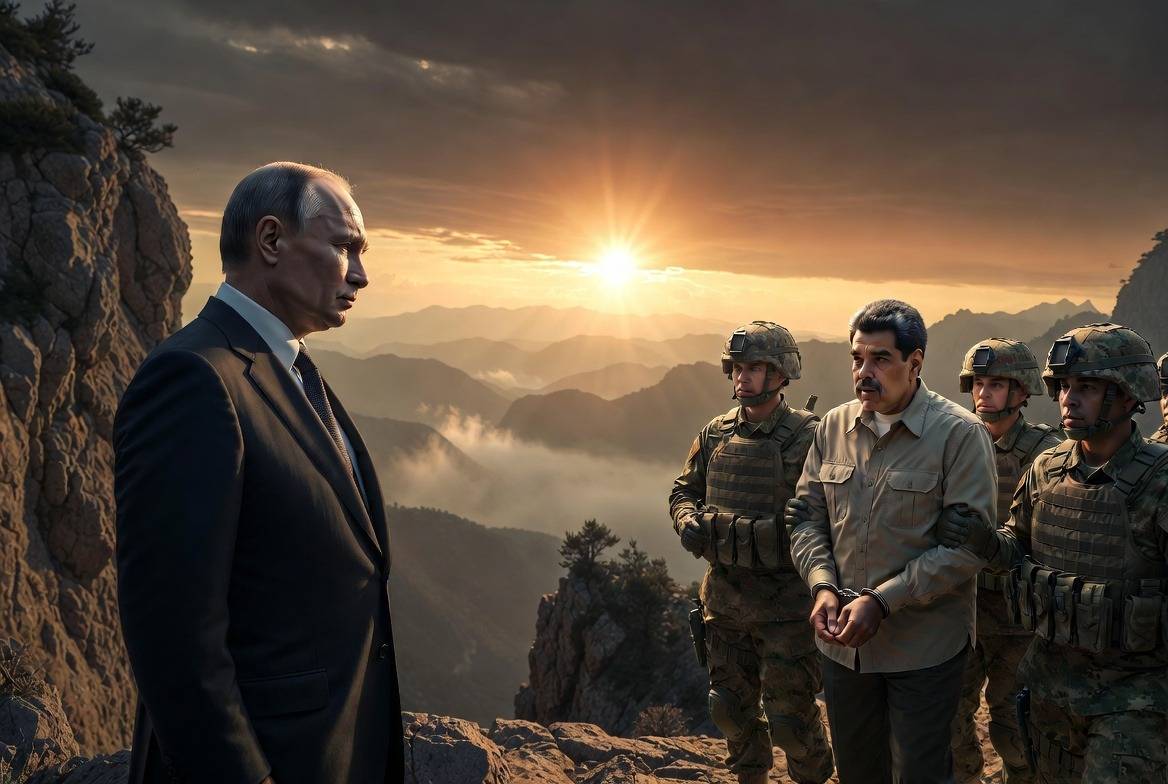
In the world of geopolitics, silence can sometimes echo louder than declarations. When the ground shook beneath Caracas in early 2026—following a sweeping military intervention by the United States and the dramatic capture of Nicolás Maduro—the Russian Federation’s response was nothing short of perplexing. For a nation that had long positioned itself as Venezuela’s staunch guardian against American influence, Moscow’s retreat into diplomatic statements amounted to a stunning display of operational silence.
Where has Russia’s once formidable presence gone? What became of the grand strategic alliances once broadcast across global media?
A façade of words over decisive action
The Ministry of Foreign Affairs did issue stern condemnations, labeling the events an « armed aggression » and demanding Maduro’s immediate release. Foreign Minister Sergei Lavrov reiterated Russia’s commitment to bilateral agreements. Yet beyond these predictable declarations, what concrete steps did the Kremlin take? Very little. A belated naval maneuver involving a single submarine escorting a sanctioned oil tanker, and a hollow hope expressed in public that Washington would « uphold international law ».
This was not restraint—it was surrender. By failing to mount a meaningful diplomatic counteroffensive or veto a UN Security Council resolution, Russia allowed its closest ally in Latin America to be extradited to New York without so much as a protest. Russian intelligence, usually so astute in predicting Western moves, remained conspicuously silent, leaving Caracas defenseless against what amounted to a reinvention of the Monroe Doctrine.
The bitter truth is clear: the 2025 strategic partnership treaty was a paper tiger. When confronted with its first real test, Russia’s shield shattered, exposing gaping flaws in its global power projection.
The cost of strategic exhaustion
Russia’s silence was not a calculated move—it was a reflection of stark reality. Drained by years of conflict and choked by an economy of perpetual war that devours financial and human resources, the Kremlin no longer possesses the strength to sustain its global ambitions.
Venezuela, once a linchpin of Russian influence, became an unintended bargaining chip—or worse, collateral damage in Moscow’s isolation. By limiting its response to perfunctory statements, Russia sent a chilling message to allies worldwide: its protection ends where its own struggles begin.
A geopolitical betrayal with lasting consequences
By abandoning Venezuela to a transitional government under foreign pressure and tacitly accepting the American fait accompli, Russia committed a grave error. The Venezuelan people now face a new era of external domination without any credible alternative from Moscow.
This silence is not diplomacy—it is the admission of strategic failure. In cloaking itself in polite impotence, Russia has not only lost a key ally and access to the world’s largest oil reserves; it has surrendered its role as a global counterbalance. In Caracas, the curtain fell, and the self-proclaimed protector was nowhere to be found.