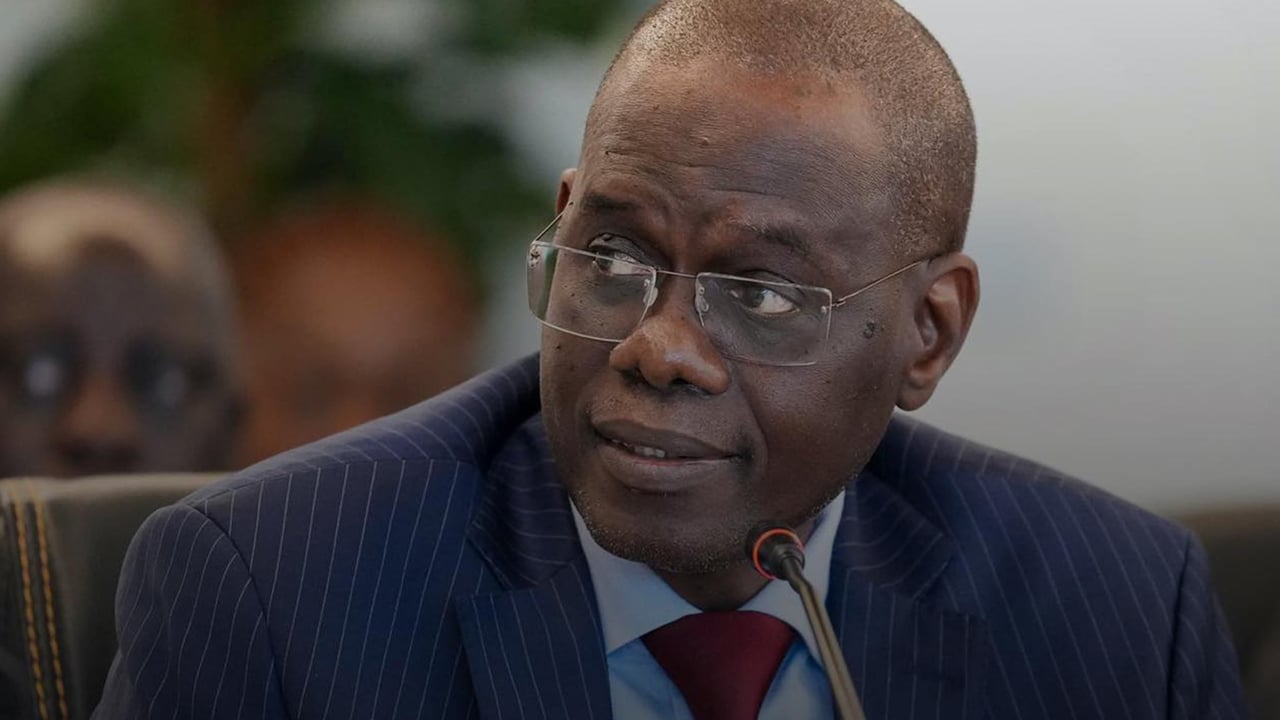

The political shake-up in Senegal has reignited debates about the country’s mounting debt burden and whether a new strategy with the International Monetary Fund (IMF) could offer a lifeline. With Prime Minister Al Aminou Lô at the helm of economic reforms, stakeholders are closely watching if this transition will pave the way for smoother negotiations with global financial institutions.
Economic pressures mount as debt levels rise
Senegal faces escalating financial strain, with public debt surpassing 75% of GDP in recent assessments. Inflationary pressures, coupled with declining revenue streams, have intensified calls for decisive action. The new administration’s approach to fiscal management will determine whether the country can avoid deeper economic instability.
Could IMF collaboration reshape Senegal’s debt trajectory?
The potential for a programme with the IMF has become a focal point for policymakers. Such an agreement could unlock critical funding while imposing structural reforms designed to stabilize public finances. However, the path forward remains uncertain, as political sensitivities and public sentiment toward external oversight may influence the outcome.
Key challenges ahead
- Debt sustainability: Balancing repayment obligations with essential public spending remains a delicate task.
- Reform resistance: Implementing IMF-backed measures could face pushback from sectors wary of austerity measures.
- Political stability: Maintaining public trust while navigating economic adjustments is paramount for long-term success.
What’s next for Senegal’s economy?
The coming months will be critical as the government weighs its options. A well-structured IMF programme could provide breathing room, but success hinges on transparent governance and inclusive economic policies. For now, all eyes are on Dakar as leaders chart a course through uncharted waters.