
The unexpected exit of Ousmane Sonko from Senegal’s political landscape has sent ripples through the nation’s economic corridors, particularly regarding the country’s ongoing debt negotiations with the International Monetary Fund (IMF). Analysts are now questioning whether this shift could pave the way for a fresh policy direction—or if the challenges ahead remain insurmountable.
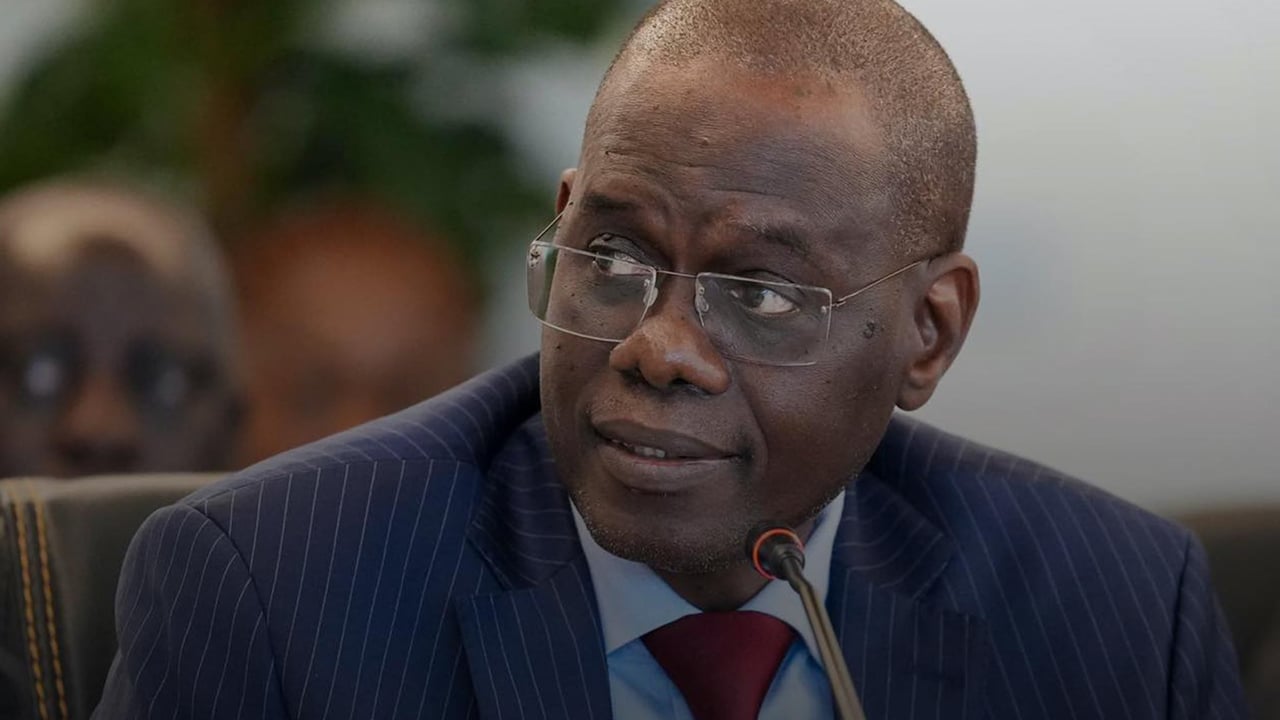
Prime Minister Al Aminou Lô now faces a delicate balancing act. On one hand, the government must address the pressing concerns of a growing debt burden, which has raised alarms among international lenders. On the other, public sentiment remains fragile, with citizens closely watching how economic policies will impact their daily lives.
Senegal’s debt dilemma: seeking stability amid uncertainty
Senegal’s economic woes have been exacerbated by global financial pressures, including fluctuating commodity prices and rising inflation. The IMF’s involvement was seen as a potential lifeline, offering structured financial support in exchange for fiscal reforms. However, political turbulence has cast doubt on the feasibility of such agreements.
Key figures, including IMF Managing Director Kristalina Georgieva, have emphasized the need for transparent and sustainable economic policies. Yet, the departure of a prominent political figure like Sonko—known for his strong stance on economic sovereignty—raises questions about the continuity of these negotiations.
What’s next for Senegal’s IMF program?
The path forward hinges on several critical factors:
- Policy consistency: Will the new administration maintain the momentum toward IMF-backed reforms, or will political shifts derail progress?
- Public trust: How will citizens react to potential austerity measures or structural adjustments?
- International confidence: Can Senegal reassure global investors and lenders of its commitment to economic stability?
With President Bassirou Diomaye Faye at the helm, the government’s ability to navigate these challenges will determine whether Senegal secures the IMF’s support—or risks deeper financial strain.
The coming weeks will be pivotal. Will the departure of Sonko open doors to a more cooperative dialogue with the IMF, or will it deepen the uncertainty already gripping the nation’s economic future?