Why did Senegal lose its Africa Cup of Nations title to Morocco?
The CAF has stripped Senegal of its Africa Cup of Nations title, awarding it to Morocco instead following an appeal. This unprecedented decision raises questions about overturning finalized competition results and the implications of the appeal filed with the Court of Arbitration for Sport on March 25, 2026.
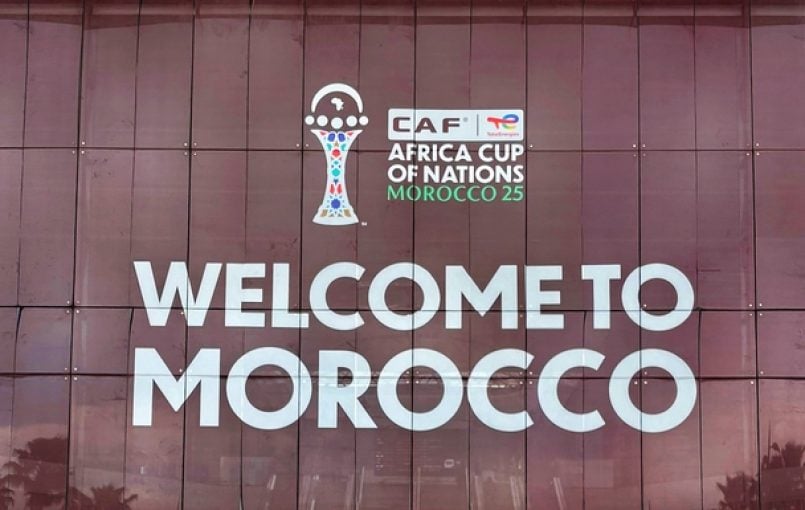
Why did the CAF reverse the final outcome?
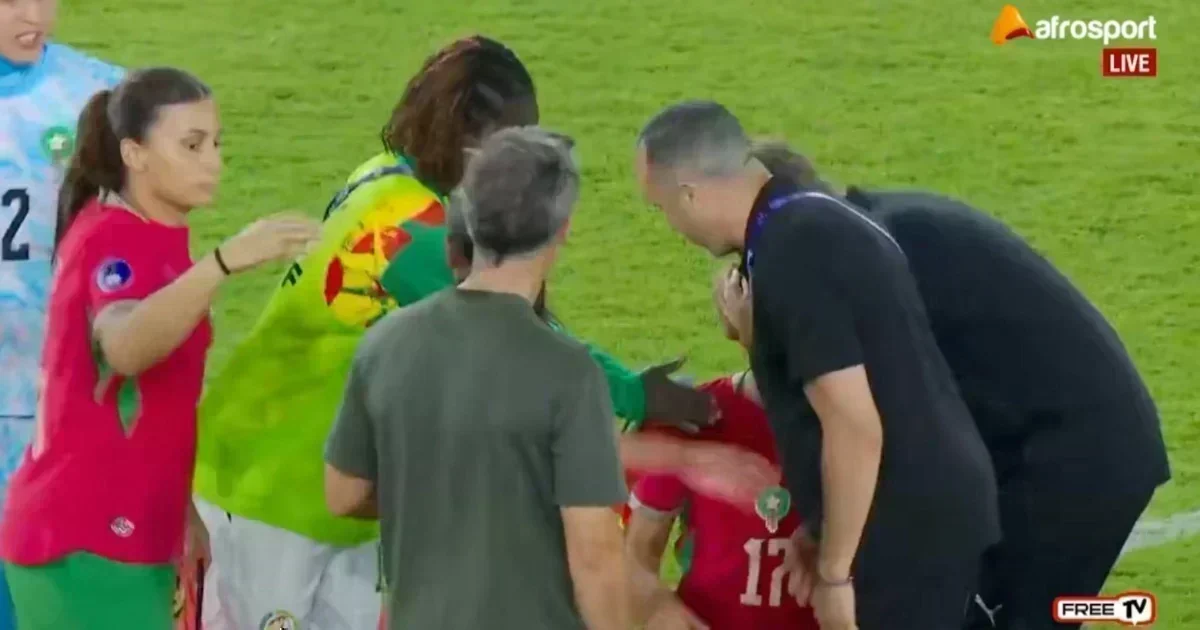
The January 18, 2026 final between Senegal and hosts Morocco was marred by controversy. Senegal took an early lead but saw a controversial late goal disallowed in the 92nd minute. Morocco then benefited from a penalty in the 98th minute, sparking protests from the Senegalese side. Team officials and players abandoned the pitch in dissent, leading to a 15-minute suspension. Although Morocco missed the subsequent penalty, Senegal scored in extra time to win the match.
However, the CAF argued that Senegal’s actions violated Articles 82 and 84 of the Africa Cup of Nations Regulations. These provisions state that any team refusing to play or leaving the field without referee approval is deemed to have forfeited the match and loses 3-0. The Royal Moroccan Football Federation filed a complaint, leading the CAF’s Disciplinary Board to rule on January 28, 2026. After Morocco appealed, the CAF Appeals Board overturned the result on March 17, 2026, declaring Senegal’s team in breach and awarding Morocco a 3-0 victory.
Senegal responded by filing an appeal with the Court of Arbitration for Sport (CAS) on March 25, 2026, challenging the decision’s validity.
How will the CAS examine Senegal’s appeal?
The CAS appeal falls under the CAF Statutes and the Code of Sports Arbitration. Under Article 48.2 of the CAF Statutes, the court prioritizes CAF and FIFA regulations before applying Swiss law. This approach mirrors past rulings, such as the 2020 case involving the South African Football Association, where the CAS upheld the CAF’s interpretation of competition rules.
Senegal’s appeal hinges on two key legal arguments: first, whether its actions qualify as a refusal to play or abandonment under Articles 82 and 84; and second, whether the CAF Appeals Board overstepped its authority by retroactively reinterpreting referee decisions. The CAS may also consider FIFA’s Disciplinary Code (Articles 9 and 16) and the Laws of the Game (Law 5), which emphasize the finality of referee rulings and the consequences of team behavior during a match.
What outcomes can Senegal expect from its appeal?
Under Article 48.7 of the CAF Statutes, the CAS appeal does not suspend the original decision. Thus, Morocco remains the de facto champion until the CAS issues a final ruling. The appeal process is still in preliminary stages, with Senegal requesting an extension to submit its legal brief while awaiting the CAF’s detailed decision.
Senegal’s legal strategy appears to focus on two fronts: challenging the interpretation of forfeiture under CAF regulations and arguing that the Appeals Board’s decision conflicts with FIFA’s principles on referee authority. The CAS could either uphold the CAF’s decision—as it did in the 2020 South Africa case—or overturn it, as seen in the 2019 ruling involving a different dispute. The final outcome remains uncertain, as the CAS holds ultimate discretion in such matters.