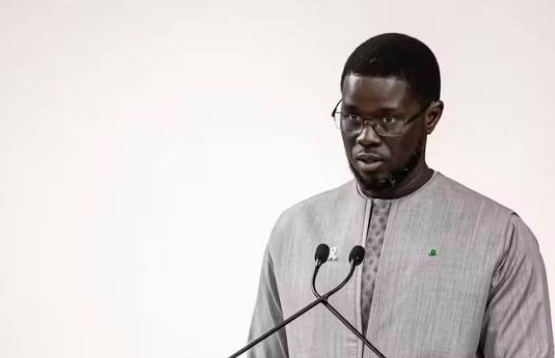
The political landscape in the Senegal has undergone a significant transformation in recent weeks. Less than two years after their historic rise to power, the once-united leadership of President Bassirou Diomaye Faye and opposition figure Ousmane Sonko has fractured, leaving the nation grappling with new questions about governance and the future of its most influential party.
In a decisive move, the president dissolved the prime minister’s position, signaling the end of a collaborative partnership that had defined his early administration. The ripple effects of this decision were felt across the political spectrum, culminating in a dramatic weekend event where Ousmane Sonko was reinstated as the leader of the Pastef party during its first congress since its inception.
This unexpected turn of events has sparked intense debate about the implications for Senegal’s democratic stability. Will the rift between key figures reshape the electorate’s trust in the government? How might this division influence the country’s trajectory as it approaches the 2029 elections? These are the pressing questions now dominating discussions among political analysts and citizens alike.
What does this mean for the Pastef party?
The Pastef party, a driving force behind the wave of change that brought Diomaye Faye to the presidency, now faces an uncertain future. Sonko’s re-election as its leader underscores the party’s evolving dynamics, but it also raises concerns about internal cohesion and the ability to maintain its reformist agenda. Supporters and critics alike are closely watching to see whether the party can navigate these turbulent waters without losing its momentum.
Risks to Senegal’s stability
The current political upheaval introduces fresh challenges to Senegal’s stability. The abrupt shift in leadership roles and the potential for further divisions within the ruling coalition could undermine public confidence in institutions. With regional pressures mounting and economic expectations high, the coming months will be critical in determining whether the country can preserve its hard-won stability amid growing uncertainty.
Looking ahead to 2029
As Senegal eyes the 2029 electoral cycle, the stakes have never been higher. The decisions made in the coming weeks and months will shape the political narrative for years to come. Will the government regain its footing, or will the fractures widen, leaving the nation at a crossroads? The answers to these questions will define the next chapter in Senegal’s democratic journey.