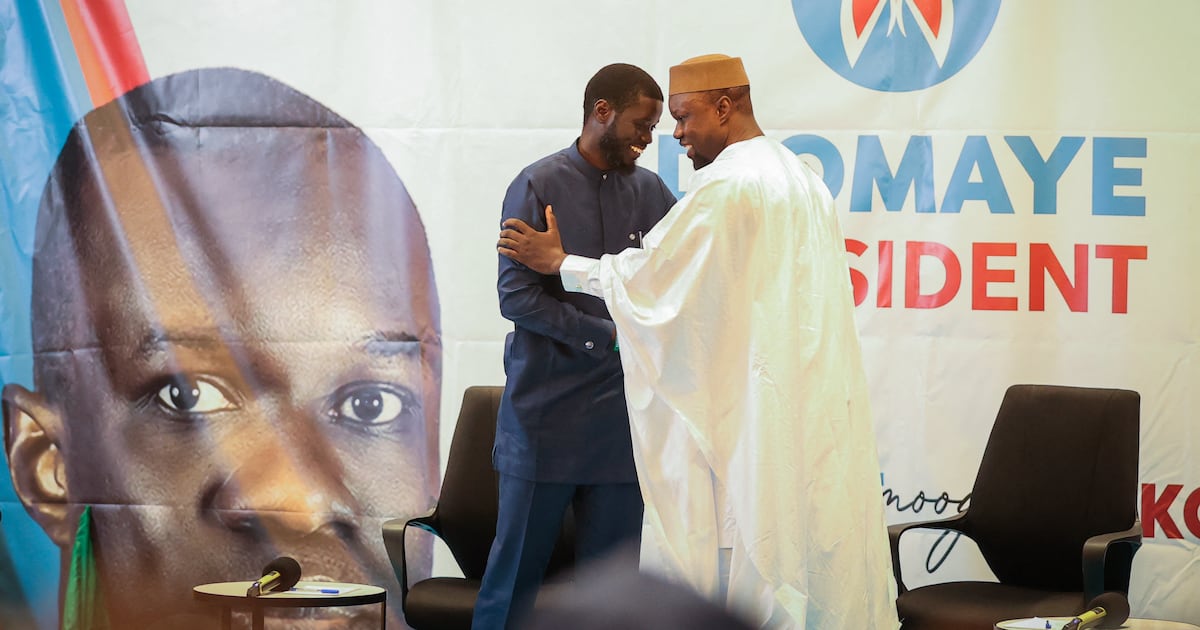
The political landscape in Senegal is heating up as President Bassirou Diomaye Faye and opposition leader Ousmane Sonko engage in a high-stakes battle of negotiations. Tensions between the two figures have intensified, creating a climate of uncertainty in the nation’s capital, Dakar.
At the heart of the dispute lies a fundamental disagreement over governance priorities. While Faye pushes for sweeping reforms to strengthen democratic institutions, Sonko advocates for a more radical shift in economic policies, aiming to address youth unemployment and systemic inequalities. The contrast in their visions has sparked heated debates across political circles and civil society.
Key issues dividing the two leaders
Their ideological rift centers on three major fronts:
- Judicial independence: Faye has championed the restoration of public trust in the judiciary, while Sonko questions its impartiality and demands structural overhauls.
- Economic strategy: The president favors gradual reforms to attract foreign investment, whereas the opposition leader calls for immediate wealth redistribution and local empowerment.
- Foreign relations: Faye seeks to maintain balanced diplomatic ties with global partners, while Sonko advocates for a more assertive stance against former colonial powers.
These divergent approaches have led to prolonged consultations behind closed doors, with both sides refusing to concede ground. The impasse risks deepening political fractures just as Senegal prepares for critical regional engagements.
Public reaction and political fallout
Dakar’s streets remain abuzz with speculation. Civil society groups have organized rallies, with some backing Faye‘s reformist agenda and others aligning with Sonko‘s populist rhetoric. Meanwhile, business leaders express concerns over the prolonged uncertainty, warning of potential economic repercussions.
Political analysts suggest the outcome of these negotiations could redefine Senegal‘s trajectory for years to come. With neither leader willing to back down, the nation finds itself at a crossroads between continuity and transformation.
The road ahead
As the dialogue drags on, the pressure mounts on both parties to find common ground. The next round of talks, scheduled for later this month, will be closely watched. Whether this meeting serves as a bridge or a battleground could determine the future of Senegal‘s democracy and economic stability.