Senegal’s electoral code reform: President Bassirou Diomaye Faye greenlights key amendments
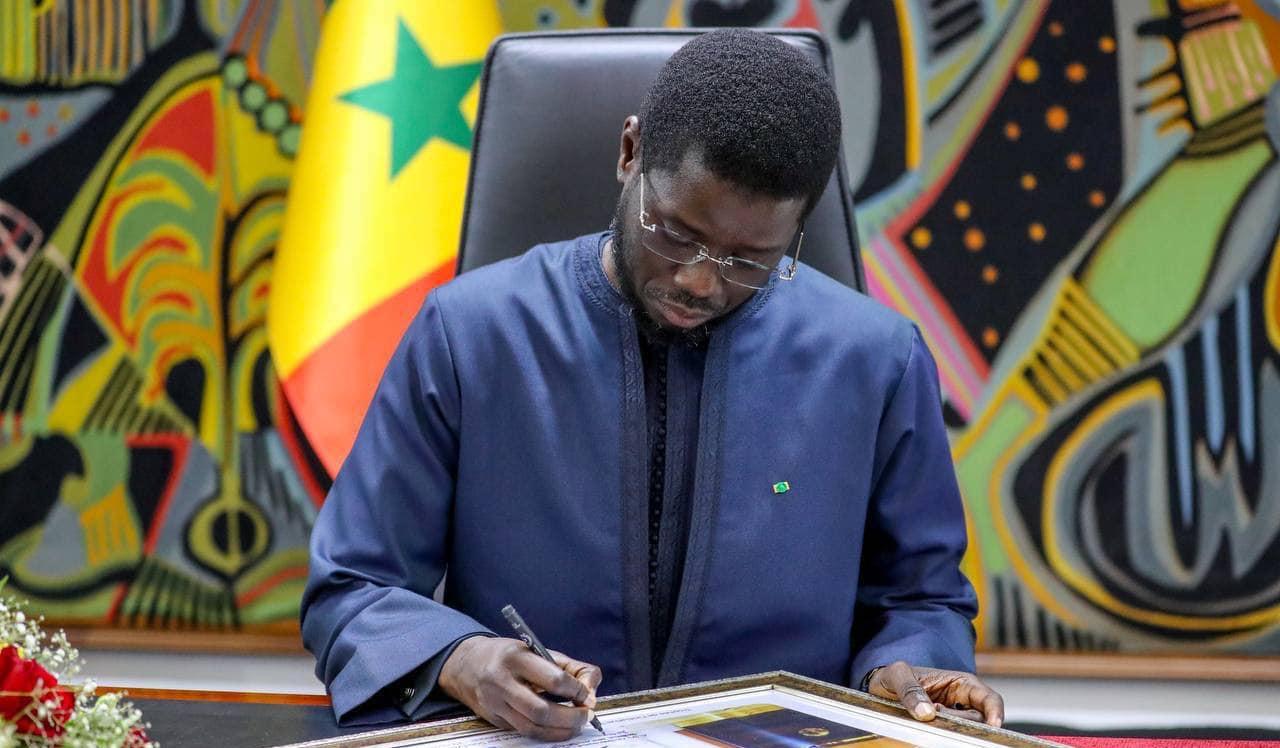
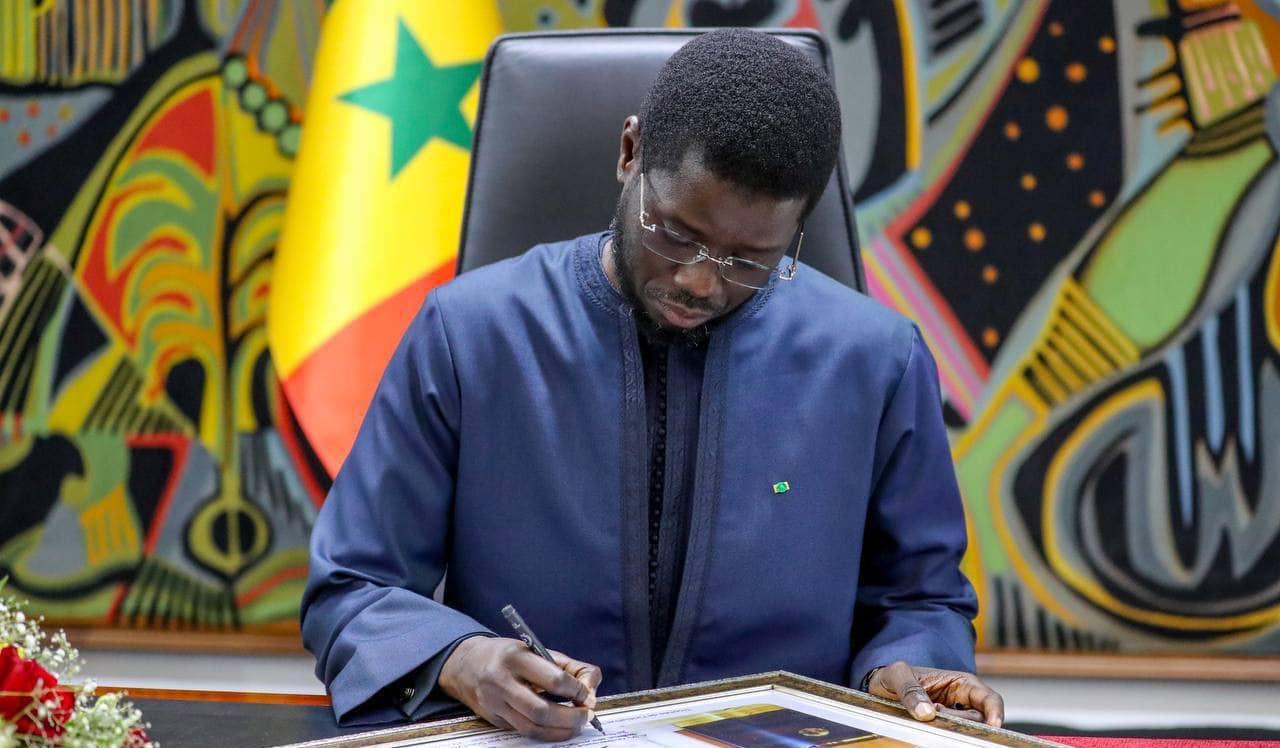
In a decisive move reshaping the electoral landscape, President Bassirou Diomaye Faye has officially enacted amendments to articles L29 and L30 of Senegal’s electoral code. This landmark decision follows a second parliamentary review and signals a critical shift in the nation’s electoral framework ahead of upcoming polls.
Parliamentary journey of electoral reform
The path to these amendments began with the return of the draft legislation by the President on May 7, 2025, citing “technical errors.” The National Assembly subsequently reconvened in urgent session and reapproved the changes on May 11, 2025, through accelerated procedures. While rumors circulated about a May 13 deadline, constitutional experts clarified that the promulgation timeline remained within constitutional bounds and had not yet lapsed.
Key provisions of the electoral code amendments
The revised articles L29 and L30 introduce sweeping changes to Senegal’s electoral framework. These modifications primarily address two critical areas: eligibility criteria for candidates and the operational mechanics of the electoral process. The amendments aim to enhance transparency, streamline procedures, and align the electoral system with contemporary democratic standards.
With the President’s signature now affixed to the legislation, these reforms officially enter into force, reshaping the legal landscape governing Senegal’s electoral landscape for future elections.