Amnesty International urges respect for free movement in Mali amid jihadist blockade
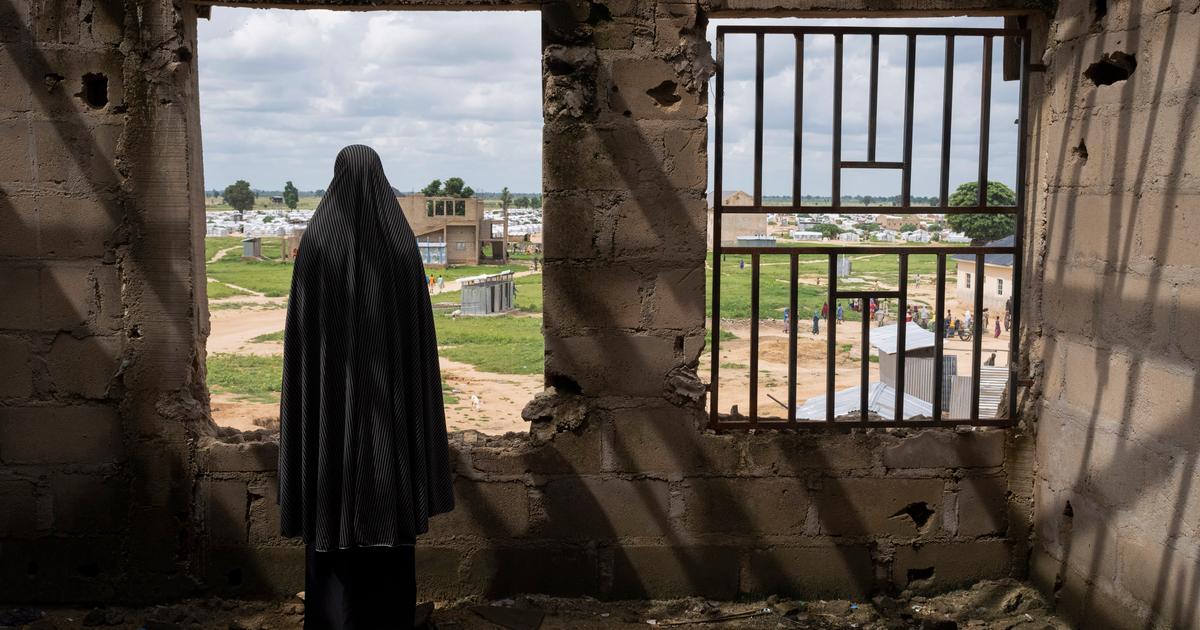
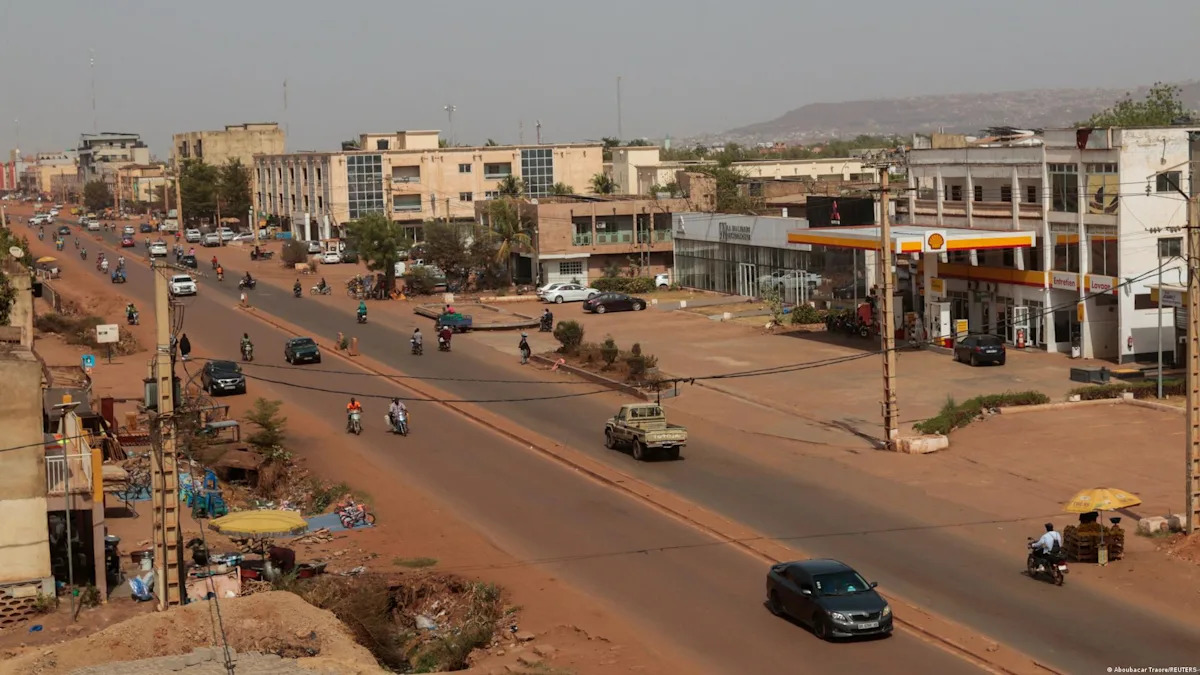
Amnesty International has called on jihadist groups operating in Mali to halt their attacks on civilians and restore their fundamental right to unimpeded movement. The appeal comes as the capital, Bamako, faces severe restrictions imposed by the Group for the Support of Islam and Muslims (JNIM), which has enforced a road blockade for over two weeks.
Humanitarian crisis deepens as civilians bear the brunt
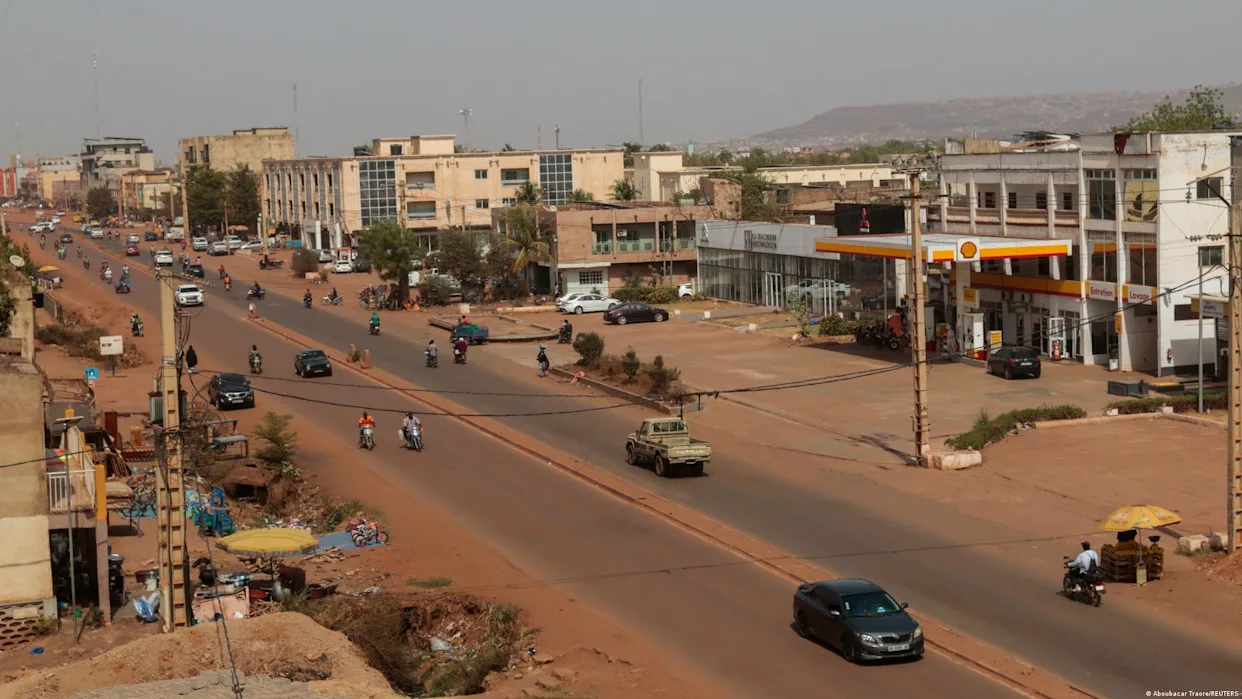
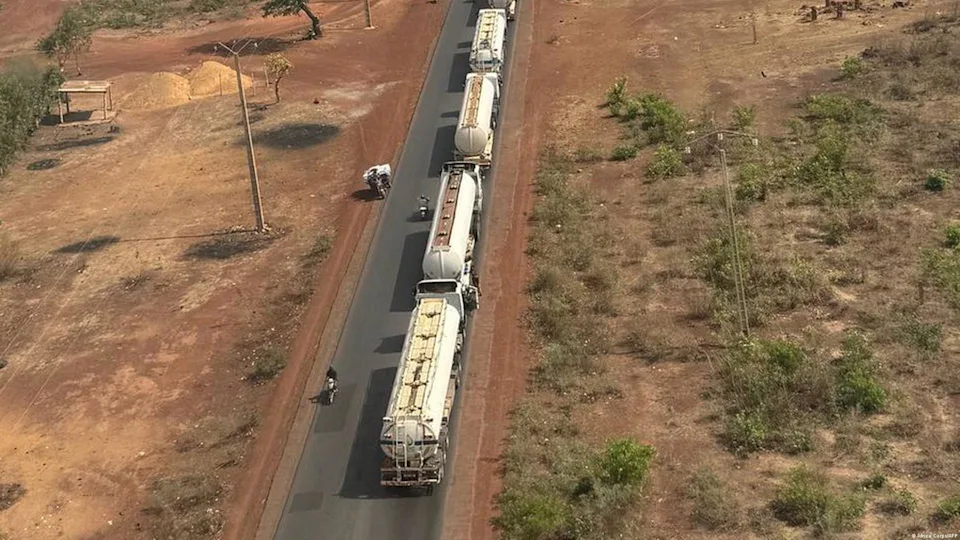
The blockade has severely impacted Bamako’s access to essential supplies, as the landlocked nation relies heavily on road imports. Amnesty International warns that the restrictions are creating unacceptable hardships for residents, risking their access to food, healthcare, and safety.
The NGO highlighted an incident on May 6 where jihadists attacked a civilian convoy transporting goods—including fruit—between Bamako and Bougouni. The trucks were reportedly unescorted by military forces and carried no military personnel or equipment.
Transport sector collapses under blockade pressure
In response to the escalating threats, over a dozen road transport companies have suspended operations to and from Bamako, further straining the capital’s supply chains. The suspension of these vital logistics networks has left markets undersupplied and prices soaring.
Military escalation targets Kidal as tensions rise
The Malian army has announced plans to intensify airstrikes on Kidal, a city under the control of Tuareg separatists and their jihadist allies since late April. Military sources confirm multiple strikes have already been carried out, while separatist forces claim to hold 200 Malian soldiers captive following attacks on April 25.
Residents in Kidal report severe disruptions, including power outages and severed telecommunications, leaving them isolated and vulnerable. In Gao—another northern city under government control—inhabitants describe a climate of distrust, with food prices doubling and authorities urging reliance on official statements.
Jihadist control spreads in central Mali
Analysts warn that jihadist influence is expanding in central regions, particularly along the left bank of the Niger River in Ségou and parts of Koulikoro. In these areas, state institutions are reportedly absent, with jihadists enforcing zakat (religious tax) and shuttering schools. Over 2,300 schools remain closed across the country, with the north and center bearing the heaviest burden.
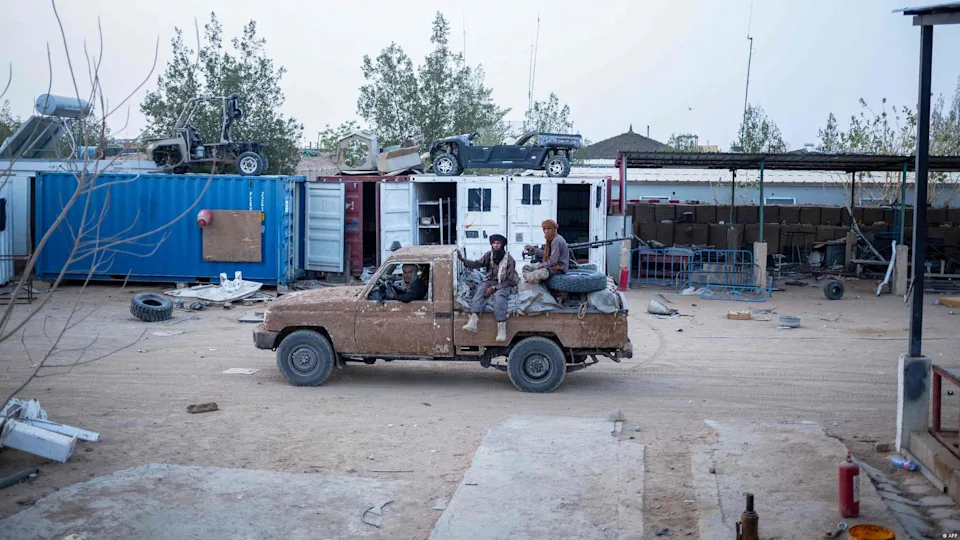
Experts suggest both the Malian army and jihadist factions are in a phase of regrouping and rearming. Abdoulaye Sounaye, a Sahel security analyst, notes that “the government and military regime appear poised for retaliation, while the JNIM and FLA factions are also preparing for potential escalation.”
Ahmed Ould Abdallah of the 4S Center emphasizes the need for inclusive dialogue: “The crisis demands political solutions. The Malian government must engage all social and political groups to negotiate a lasting resolution.”
Despite the government’s official stance against negotiations with groups labeled as terrorists, unconfirmed reports suggest secret talks have occurred to facilitate fuel supplies.
Path forward: dialogue or prolonged conflict?
Analysts predict that a military solution alone cannot resolve the crisis. Sounaye concludes: “Ultimately, all parties must come to the table. A negotiated settlement remains the only viable path to lasting peace in Mali.”