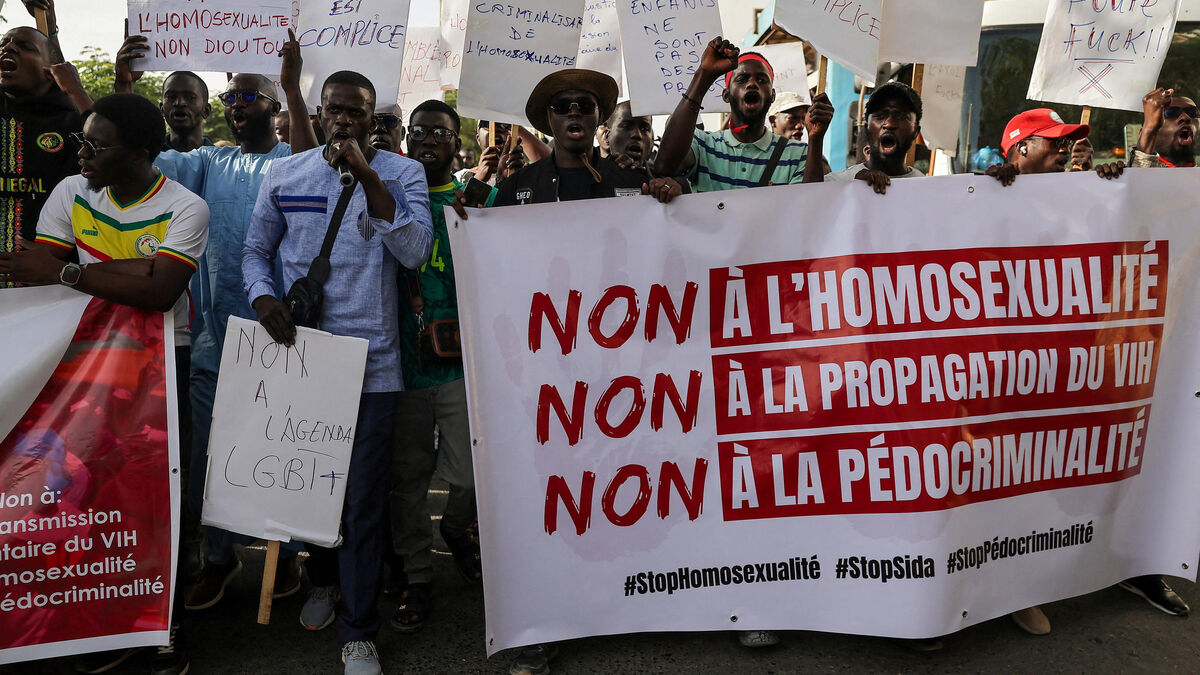
A French national has been held in custody in Senegal for three months over allegations of homosexuality, a case that has drawn international attention as the country tightens its anti-LGBTQ+ laws.
The 30-year-old engineer was arrested on February 14 in Dakar under charges including acts against nature, conspiracy, money laundering, and attempted transmission of HIV. The detention follows a broader wave of arrests targeting individuals suspected of same-sex relationships in the predominantly Muslim nation.
Escalation of anti-LGBTQ+ measures in Senegal
In early March, Senegal passed a controversial law increasing prison sentences for homosexuality to five to ten years. The legislation, signed into effect on March 31 by President Bassirou Diomaye Faye, reflects a growing climate of hostility toward LGBTQ+ individuals in the country.
The new law comes amid a series of high-profile arrests and a surge in public homophobia. Same-sex relationships are widely condemned in Senegal, where they are viewed as a moral and legal violation. The government’s tougher stance on LGBTQ+ rights has been a longstanding political priority, resonating with conservative segments of the population.
Diplomatic intervention from France
France’s diplomatic mission in Dakar has been actively monitoring the detained man’s situation. Consular officials have conducted multiple visits in line with consular protection protocols, maintaining close contact with both the detainee and his family. The Quai d’Orsay in Paris has also remained engaged, reaffirming its commitment to human rights and the universal decriminalization of homosexuality.
In a statement, French authorities emphasized their unwavering support for the rights of LGBTQ+ individuals globally, condemning discrimination based on sexual orientation and gender identity. The case has underscored tensions between Senegal’s legal framework and international human rights standards.
The detainee’s legal situation remains uncertain as authorities pursue the charges, with human rights advocates expressing concern over the broader implications of the new law.