
Amnesty urges jihadists to lift Mali travel blockades
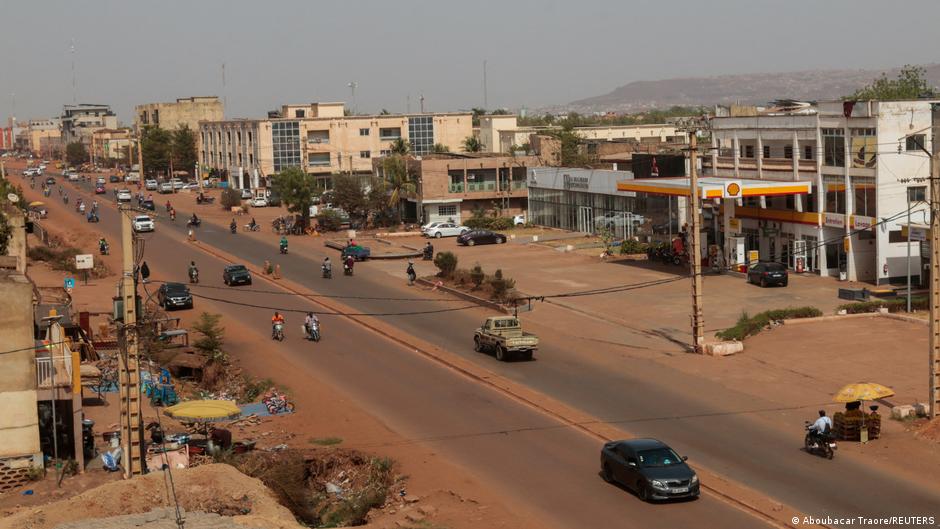
The international human rights organization Amnesty International has issued a urgent appeal to armed groups operating in Mali, urging them to restore safe passage for civilians amid escalating roadblocks around the capital, Bamako.
Since late April, militants affiliated with the Jama’at Nusrat al-Islam wal Muslimin (JNIM) have enforced a stringent blockade on key highways leading to Bamako, exacerbating an already fragile humanitarian situation in this landlocked nation heavily reliant on road imports. The group’s actions have disrupted the movement of essential goods and services, leaving residents in the northern and central regions particularly vulnerable.
In a strongly worded statement, Amnesty highlighted the severe humanitarian fallout of the blockade, warning that civilians face imminent risks to their food security, health, and safety. The organization condemned a recent attack on May 6 against a civilian truck convoy transporting fruits between Bamako and Bougouni, noting that the vehicles carried no military personnel or equipment.
Military escalation in Kidal amid rebel control
The Malian Armed Forces have announced plans to intensify airstrikes on Kidal, a city under the control of Tuareg separatists from the Azawad Liberation Front (FLA) and their JNIM allies since late April. Military officials claim to have conducted multiple strikes on the city, while separatist forces assert they are holding 200 Malian soldiers captive following clashes on April 25.
A resident from Kidal reported persistent power outages and disrupted communications, adding to the city’s isolation. In Gao, another northern city under government control, residents describe a climate of deep distrust, with food prices—such as onions—doubling in recent weeks.
Political analyst Hervé Lankoandé Wendyam emphasized the growing separatist ambitions in northern Mali, stating, “There is a clear intention to detach the North from the rest of the country. Meanwhile, the JNIM’s actions in central Mali reflect a strategic shift to escalate violence by seizing urban centers.”
Deteriorating conditions in central Mali
Observers report that jihadist factions now control significant areas in central Mali, including regions along the left bank of the Niger River in Ségou and parts of Koulikoro. In these zones, state institutions have collapsed, with militants imposing zakat taxes on villagers and shuttering local schools.
More than 2,300 schools remain closed across Mali, with northern and central regions bearing the brunt of the closures. According to researcher Abdoulaye Sounaye, both the Malian military and armed groups are in a phase of reorganization and rearmament, heightening fears of renewed large-scale violence.
“The government and military regime appear poised for retaliation, while the JNIM and FLA are also preparing for potential attacks. Amid this standoff, it is the civilian population that will suffer the consequences of any further escalation.”
Pathways to resolution
Experts advocate for inclusive dialogue to address the crisis, stressing the need for the Malian government to engage with all stakeholders. Ahmed Ould Abdallah of the 4S Center argued, “The current crisis affects multiple social groups. The government must unite with national elites to resolve this through negotiation. A political solution is essential to prevent endless conflict.”
While Bamako officially rejects talks with the FLA and JNIM, labeled as terrorist organizations, clandestine negotiations have occurred to secure fuel supplies, revealing the pragmatic realities on the ground.