
Amnesty urges jihadists to uphold civilian movement rights in Mali
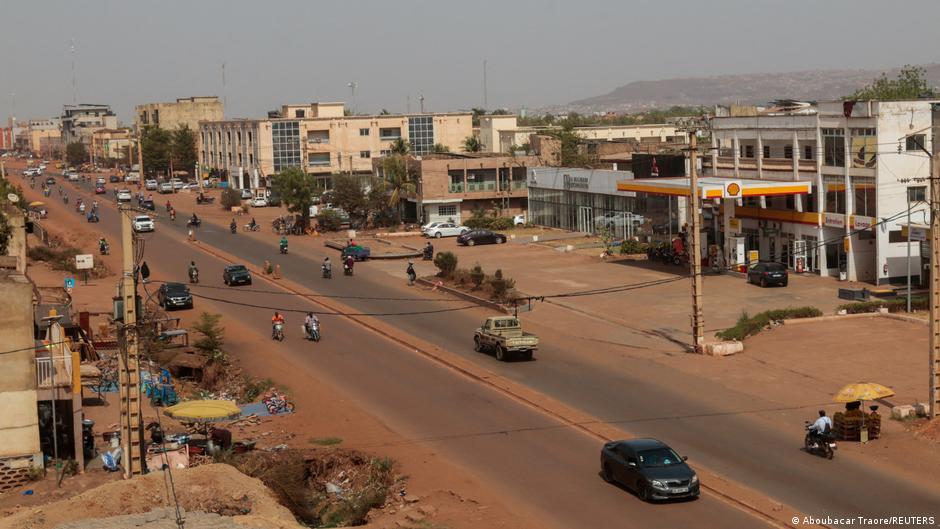
Amnesty International demands respect for civilian mobility amid Mali’s escalating crisis
As jihadist groups tighten their grip on key routes in Mali, Amnesty International has issued a urgent call for the Jama’at Nusrat al-Islam wal Muslimin (JNIM) to cease blocking civilian movement and adhere to international humanitarian law. The blockade of Bamako, the capital, has entered its third week, cutting off vital supply lines to a nation heavily dependent on road imports.
“The ongoing siege of Bamako has imposed unacceptable hardships on civilians, threatening their access to food, healthcare, and safety,” Amnesty stated in a public appeal. The NGO highlighted a recent attack on May 6 where armed groups targeted a civilian truck convoy transporting fruits between Bamako and Bougouni, south of the capital. The vehicles, unescorted by military forces and carrying no military personnel or equipment, were transporting goods for private businesses.
Military escalation and civilian suffering
In response to rebel advances, Malian armed forces have intensified aerial strikes on Kidal, a city under the control of the Tuareg separatist Front for the Liberation of Azawad (FLA) and its jihadist allies, including the JNIM. Residents report severe disruptions, with electricity cutoffs and near-total communication blackouts isolating the region. Locals in Gao, another contested city, describe a climate of deep mistrust despite government assurances, noting soaring food prices—such as onions doubling in cost—as trade routes collapse.
An independent West Africa analyst, Hervé Lankoandé Wendyam, warns of a coordinated effort to fracture Mali’s territorial integrity: “The situation in central Mali reflects the JNIM’s strategy to escalate conflict by seizing urban centers, while the north faces a separatist push to detach it from the rest of the country.”
Jihadist control tightens in central Mali
In central regions like Ségou and Koulikoro, jihadist factions have established de facto rule, imposing religious taxes (zakat) on villages and shuttering schools. Officials estimate over 2,300 schools remain closed nationwide, with the north and center bearing the brunt of closures. Analysts suggest both Malian forces and rebel groups are in a phase of regrouping, heightening risks for civilians caught in the crossfire.
Abdoulaye Sounaye, a Sahel terrorism researcher, cautions: “The Malian government and military regime appear poised for a major offensive, while the JNIM and FLA prepare for a potential counterattack. The most vulnerable remain civilians, trapped between competing armed factions.”
Experts advocate for inclusive dialogue as the only viable path to resolution. Ahmed Ould Abdallah, of the 4S Center, emphasizes: “A political crisis demands a political solution. The Malian government must engage all national stakeholders—without exclusion—to negotiate a lasting accord.” Despite official refusals to negotiate with groups labeled as terrorist, clandestine talks have reportedly occurred to secure fuel supplies, underscoring the fragility of the current impasse.
As Mali’s conflict deepens, the humanitarian toll on civilians grows, with freedom of movement and basic survival hanging in the balance.