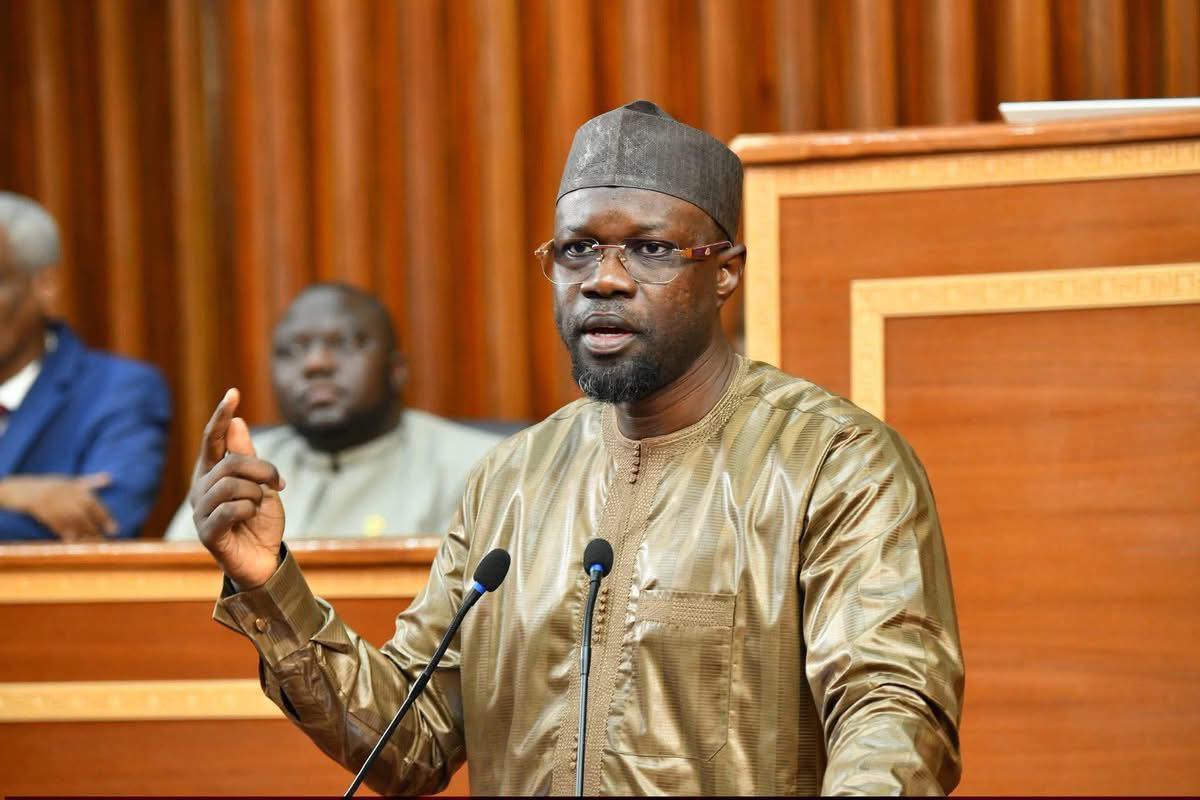
Following a series of institutional reshuffles that unfolded with near-surgical precision, the leader of the Patriots has seized the presidency of the National Assembly. This swift political maneuver not only reaffirms his unyielding ambition but also raises pressing questions about the potential deadlock at the highest echelons of the state.
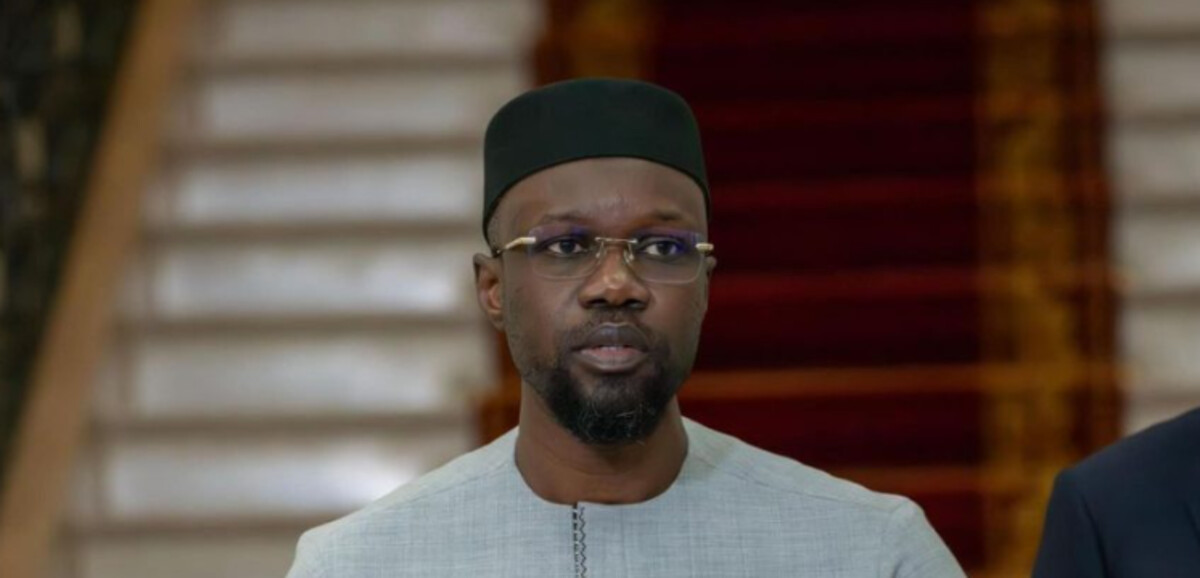
The sequence of events, executed with remarkable strategic foresight, leaves little room for coincidental timing. Having been swiftly removed from his prior governmental role, Ousmane Sonko did not linger long in political obscurity. His rapid ascent to the helm of the National Assembly—through a succession of events that stunned observers—has thrust him into the spotlight once again, this time as the new President of the National Assembly (PAN).
The abruptness of his installation raises eyebrows. On the heels of Sonko’s dismissal from public office, the sitting Assembly President tendered an unexpected resignation. Within days, without any apparent transition, the former opposition figure found himself occupying the speaker’s chair, wielding legislative authority in a move that has left many questioning the integrity of Senegal’s political processes.
Consolidating opposition control
With this newfound position, Ousmane Sonko now stands as the executive branch’s most formidable adversary. The stage appears set for a contentious cohabitation, one that could paralyze governance and stifle legislative progress. By commanding the legislative agenda, shaping lawmaking, and influencing budgetary allocations, the PAN now holds a formidable tool for obstruction—a lever that could be deployed to stifle the President’s agenda.
« This is no longer politics as usual; it is a calculated strategy of institutional suffocation, » remarked a political analyst who requested anonymity. « The battle for power has officially escalated. »
Power or principle: the debate intensifies
Among his detractors, Sonko is increasingly portrayed as a figure consumed by ambition, cloaking his pursuit of power in the rhetoric of systemic change. The once-championed image of a disinterested reformer has begun to erode, giving way to perceptions of a shrewd and opportunistic tactician, adept at exploiting crises to advance his own objectives.
Today, Sonko occupies a position of institutional influence that he has long coveted—a development that, to his critics, signals a departure from the ideals he once espoused. As he now sits in a seat of power, the question lingers: was this ascent driven by a genuine commitment to national progress, or does it merely mark the opening salvo in a broader confrontation aimed at destabilizing the state?
The reshaping of Senegal’s political landscape is undeniable, and the struggle for institutional dominance has only just begun.