Senegal’s president Bassirou Diomaye Faye at a historic crossroads
As Senegal prepares for national consultations from May 21 to 31, 2026, the nation stands at a pivotal moment in its recent political history.
By opting for targeted consultations—scheduled around religious holidays rather than large-scale political gatherings that have defined past national dialogues—President Bassirou Diomaye Faye is making a strategic move to refocus institutional priorities and reassert presidential authority.
Yet this bold initiative unfolds against a backdrop of palpable tensions within the government. The intricate dynamics between the President and Prime Minister Ousmane Sonko, alongside uncertainties within the ruling majority and rising social tensions, demand urgent attention. External pressures, both regional and international, further underscore the need for stability, cohesion, and collective responsibility.
These consultations are far from routine. They represent a critical juncture for Senegal—a chance to avert a protracted political crisis with unpredictable consequences.
Today, Senegal faces an unprecedented institutional landscape: a parliamentary majority politically tied to the Prime Minister, an opposition consolidated around the party of former President Macky Sall, and a President tasked with safeguarding institutional balance and national unity.
This scenario calls for clarity, responsibility, and transcendence. Governance in Senegal can no longer thrive on exclusionary politics. The path forward requires inclusive dialogue and shared commitment.
Three key political blocs stand out as essential to achieving lasting stability:
- The presidential bloc rooted in the Diomaye coalition;
- The political movement centered around Pastef;
- The opposition organized around the APR and its allies within the Democratic Republican Front.
The choices these forces—and their supporters—make during these consultations will shape their outcomes. The goal is clear: to forge a consensual update of the rules governing Senegal’s democracy, creating a more stable, balanced, and crisis-resistant republic.
Beyond the leading political figures of the moment, all national stakeholders must contribute to this renewal: political parties and personalities, trade unions, civil society, religious and traditional authorities, the private sector, academia, youth, women, and representatives of the nation’s vital forces.
Senegal needs a new pacte de responsabilité nationale—a clear framework where the majority, opposition, and institutions agree to shared rules, respected by all, transcending partisan interests and perpetual confrontation.
History teaches that no democracy endures without intelligent compromises among its principal forces. Negotiated at the right moment, these compromises strengthen nations. Delayed or rejected, they often lead to conflicts where everyone loses—including the country itself.
President Bassirou Diomaye Faye now faces this rendezvous with history. His challenge is to rise above the weighty logic of partisan games, transforming this period of tension into an opportunity to rebuild Senegal’s democracy on firmer foundations.
May wisdom, foresight, and a higher sense of national interest prevail. For the exclusive benefit of Senegal.
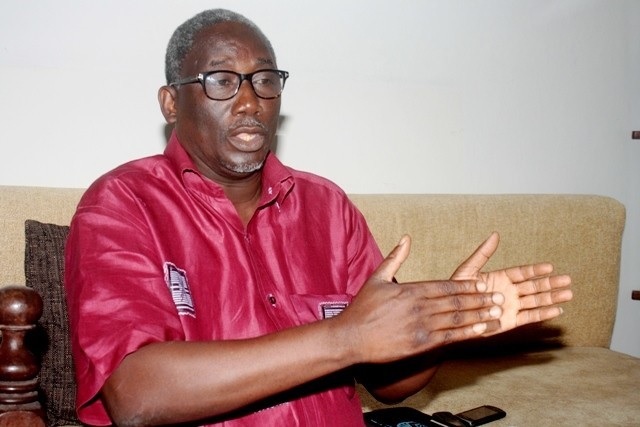
By Abdou Fall
Former Minister of State