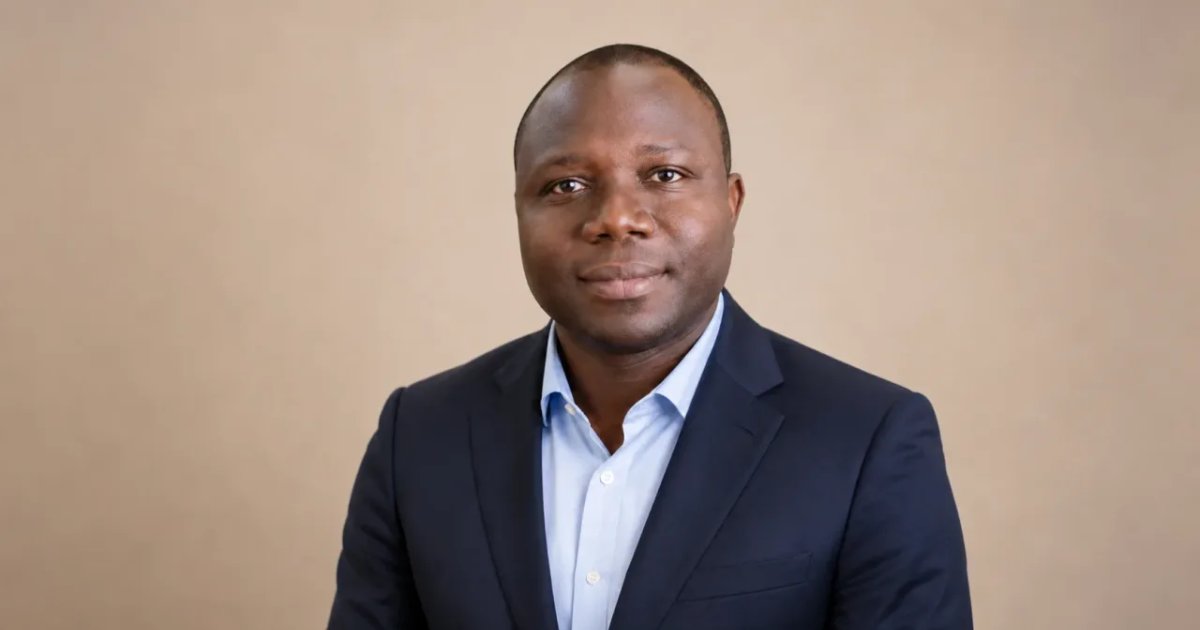
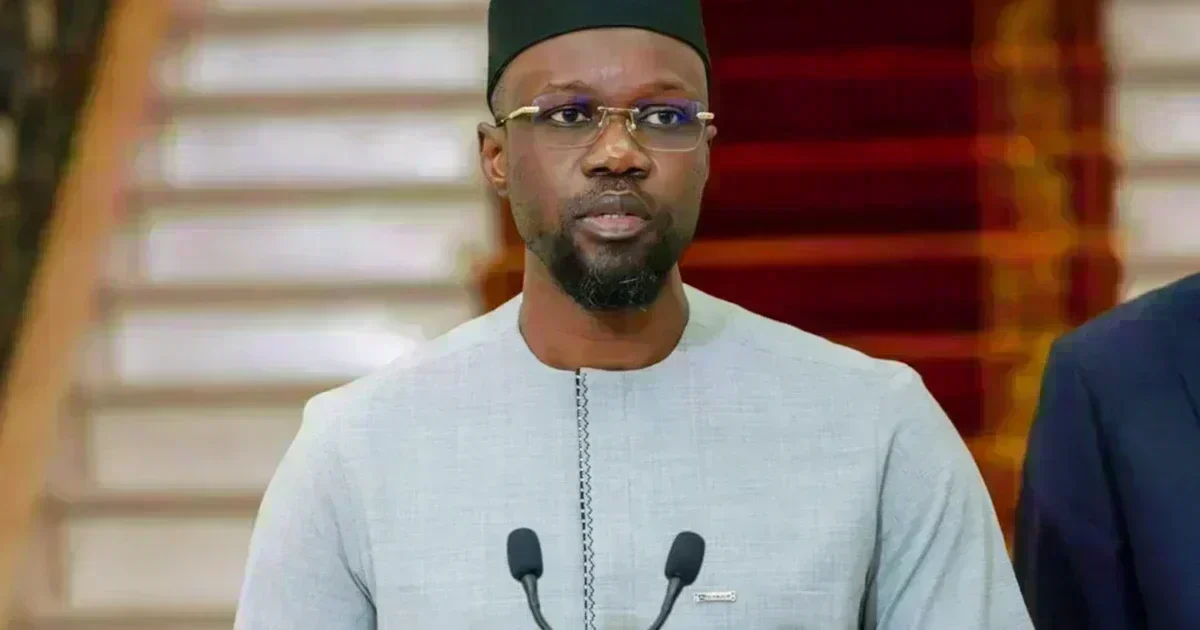
Ousmane Sonko’s recent interview wasn’t a spur-of-the-moment decision. A key advisor to Senegal’s Prime Minister has revealed fresh insights into how this long-awaited media engagement took shape over nearly two years. According to this insider, the exchange with the French radio outlet was anything but spontaneous—it was a calculated move, carefully planned as the new administration in Dakar solidified its footing.
Why wait two years for a high-profile interview?
The advisor explained that the idea of speaking with Radio France Internationale had been on the table since Bassirou Diomaye Faye and Ousmane Sonko took office in March 2024. However, the Prime Minister opted to delay the engagement, avoiding early exposure to an international platform until Senegal’s political landscape had stabilized. This cautious approach contrasts sharply with the Pastef coalition’s aggressive communication strategy during its opposition years, when statements flooded every available channel.
The timing of the interview was deliberate. It came at a pivotal moment as the Senegalese government fine-tuned its economic policies, negotiated with financial partners, and sharpened its sovereignist narrative. Choosing RFI—a widely followed Francophone outlet in Africa—allowed Sonko to address multiple audiences at once: domestic opinion in Senegal, neighboring West African capitals, and European diplomatic circles. The move carried an unspoken diplomatic dimension beyond domestic considerations.
The meticulous crafting of a political message
The advisor emphasized how every detail of the exchange was premeditated—format selection, topic prioritization, and even anticipating tough questions on public freedoms, judicial matters, and relations with Paris. This methodical approach reflects a shift in how the Pastef coalition views foreign media, once viewed with suspicion by parts of its activist base.
The strategy also highlights the growing professionalization of Senegal’s government communications. Since assuming the Prime Minister’s role, Ousmane Sonko has built a team of advisors from journalism, political communications, and digital networks. This squad orchestrates his public appearances, balancing formal speeches, local platform interventions, and now, a measured opening to international outlets.
A carefully calibrated message for diverse audiences
Beyond the behind-the-scenes details, the interview underscores Senegal’s evolving public diplomacy. By granting an interview to a prominent French media house, the Prime Minister sent a measured signal to Paris amid a regional shift in how several West African nations engage with France. Senegal aims to maintain an open dialogue channel while asserting its sovereign stance on military bases, monetary cooperation, and strategic contracts.
Analysts see this as evidence of the ruling team’s political maturation. Where opposition leader Sonko once thrived on confrontation, Prime Minister Sonko now tailors his tone to different audiences. This adaptability could prove crucial ahead of upcoming legislative elections and as Senegal grapples with looming budgetary challenges.
The interview’s content will spark extensive analysis in Dakar and Paris alike. Sonko’s remarks on economic, judicial, and diplomatic files will fuel domestic political debates, where every word from the regime’s second-in-command is dissected. The advisor’s revelation of the backstage planning isn’t just commentary—it’s part of a deliberate strategy to extend the interview’s impact beyond its initial broadcast, embedding its key messages in the public consciousness for the long term.