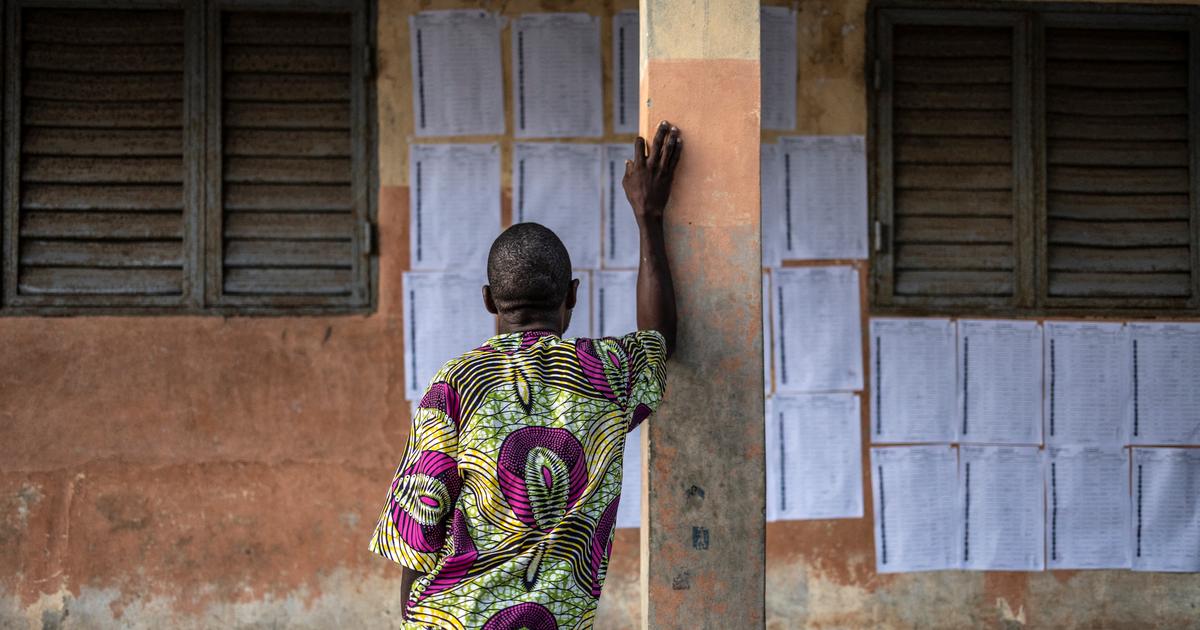
“Scripted victories,” “one-sided races,” “first-round triumphs for incumbents.” The 2025 presidential elections across Africa followed a disturbing pattern: opposition voices were systematically silenced before campaigns even began. The latest cases came in Djibouti on April 10 and Benin on April 12, where incumbents secured landslide victories—97.8% in Djibouti and 94% in Benin—leaving little room for genuine competition.
In Djibouti, opposition leader Alexis Mohamed abandoned his bid, citing insurmountable barriers to free campaigning. While security concerns were part of his reasoning, the most formidable obstacle was financial: “The nomination fees proved prohibitive,” he stated. Analysts now describe the vote as a “ritual exercise” rather than a democratic contest.
Democracy’s price tag
Across the continent, candidates face escalating campaign costs that effectively exclude opposition figures from the race. From Djibouti to Benin, the pattern is identical: exorbitant fees serve as a silent veto against political rivals. In Benin, the opposition’s inability to meet financial thresholds transformed what should have been a competitive process into a foregone conclusion.
Who can afford to run?
The system now favors wealth over ideas. Candidates must navigate a maze of financial hurdles—registration fees, logistics, and compliance costs—that dwarf the resources of most opposition groups. The result? Elections where the outcome is predetermined by economics, not ballots. For many Africans, this reality undermines faith in the very institutions meant to represent them.