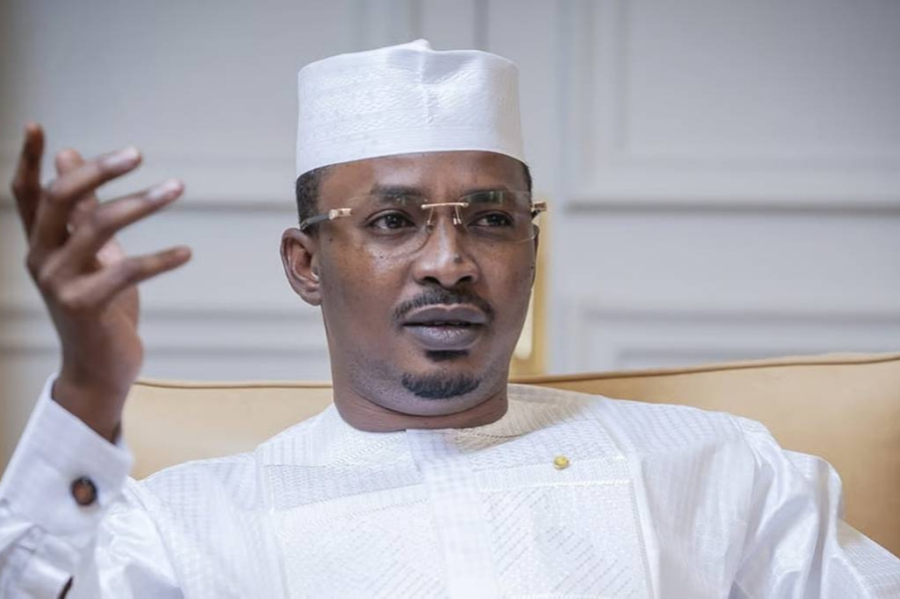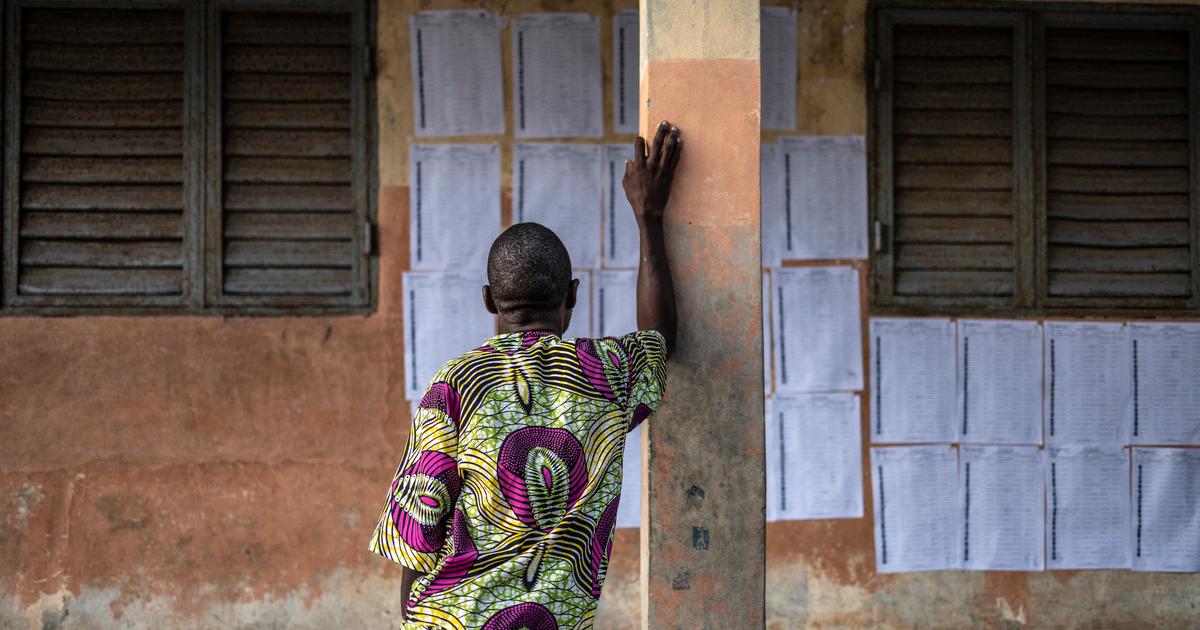
“Rigged from the start”, “predictable outcomes”, “incumbent victories in the first round”. Presidential elections across Africa last year followed a disturbing pattern: opposition candidates were systematically sidelined before campaigning even began. The most recent cases came from Djibouti on April 10 and Bénin two days later. In Djibouti, incumbent President Ismaïl Omar Guelleh secured a sixth term with 97.8% of the vote. In Bénin, Romuald Wadagni—handpicked successor to Patrice Talon—won 94% of ballots. Both landslides occurred in elections where genuine competition was effectively nonexistent.
Campaign costs: the new barrier to democracy
In Djibouti, opposition leader Alexis Mohamed abandoned his candidacy after revealing he faced insurmountable financial hurdles. Though he cited safety concerns, the real obstacle was the exorbitant “nomination fees”—sums so high they rendered competitive participation impossible. Observers now describe the vote as a “purely ceremonial exercise.”
This phenomenon is spreading across the continent. Candidates repeatedly encounter registration costs that act as systemic roadblocks. High fees do more than filter out weaker contenders—they systematically eliminate any challenge to established power structures. The result? Elections where outcomes are predetermined long before polling stations open.
Why fees skyrocket
- Legal barriers: administrative requirements disguised as financial obligations
- Administrative maze: opaque procedures that inflate costs
- Political engineering: fee structures designed to favor establishment candidates
These mechanisms don’t just deter opposition—they actively prevent it. When the price of entry becomes prohibitive, democracy loses its most essential ingredient: genuine choice.