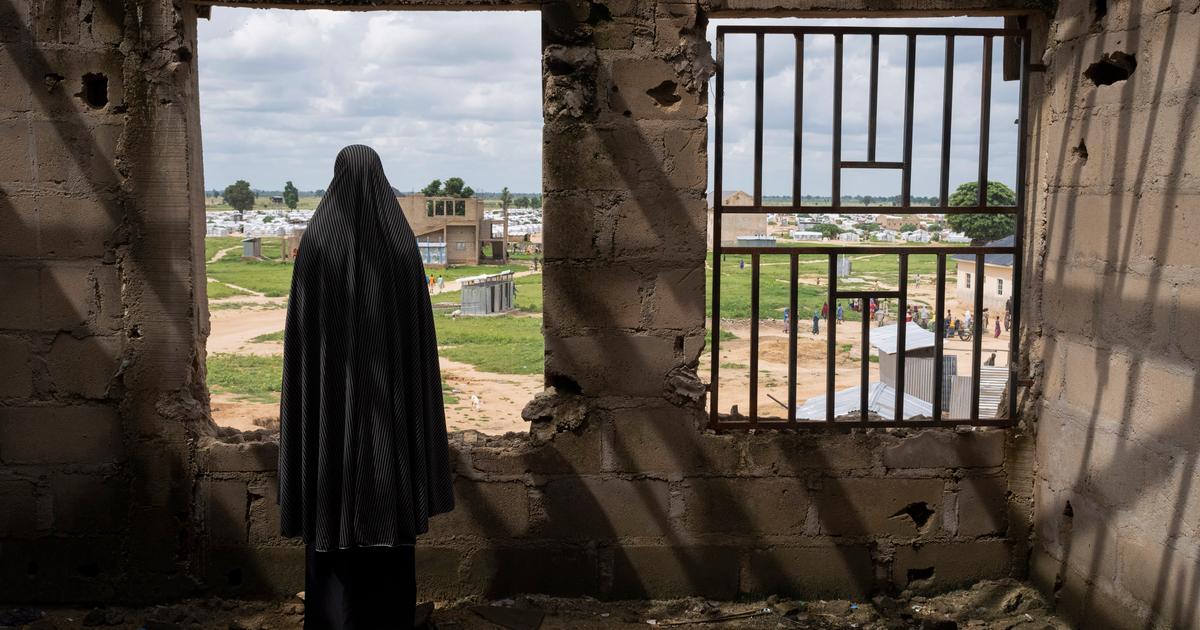

Three names—Aisha, Juliana, and Hauwa—represent stories rarely heard beyond the headlines of mass abductions by Boko Haram in the Lake Chad region. A recent in-depth report by The Republic sheds light on the harrowing experiences of women who endured captivity, forced marriages, and unspeakable violence at the hands of the jihadist group.
For Aisha, April 2014 began like any other evening in Gamboru Ngala, Borno State, where she prepared a stew—“her children’s favorite”—before militants stormed her village. With no chance to escape, she witnessed her brother’s killing before being abducted along with other women. “A tall, bearded man entered the tent where we were held,” she recalls. “He claimed to be the Boko Haram commander and told me I would become his wife. Every night, he would come for me.” After two years of captivity, including multiple forced marriages and pregnancies, she escaped during a Nigerian military offensive.
Stigma and silence: the aftermath of captivity
Juliana, abducted at 15 in Adamawa State alongside her mother, managed to flee two years later with the help of an elderly woman. Before her capture, she dreamed of finishing school and studying computer engineering. Today, she carries the weight of those lost dreams. “I am free, but part of me remains trapped in the forest,” she admits. “I think of the women we left behind.”
The most prolonged suffering was endured by Hauwa, who spent a decade in captivity, subjected to three forced marriages and four childbirths. Upon returning home, she faced brutal rejection. “They called me a ‘Boko Haram woman,’” she says. “My children are treated as outcasts, banned from playing with others.” Her story reflects the deep-rooted stigma faced by survivors, compounding the trauma of their ordeal.
Pathways to healing: justice and reintegration
The report also explores transitional justice as a potential solution to address the impunity surrounding gender-based violence in conflict zones. By holding perpetrators accountable and providing support for survivors, such measures could help heal wounds and restore dignity. For women like Aisha, Juliana, and Hauwa, justice remains a distant hope—but it is one they desperately cling to.