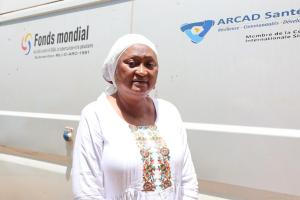
Why science matters for community health in West Africa: insights from Dr. Bintou Dembélé
Bamako – During the 2026 World Health Day, themed “Health for all. Support the science,” the World Health Organization (WHO) highlighted leaders who harness science to transform lives across Africa. Among them is Dr. Bintou Dembélé, a Malian public health physician dedicated to fighting infectious diseases and strengthening health systems in Mali and West Africa.
For Dr. Dembélé, science is not just a tool—it’s a lifeline. She advocates for accessible, collaborative science that prevents health crises, improves care, and builds trust between researchers, policymakers, and communities. On World Health Day, she shares her vision of science as a daily ally for healthier societies.
How science protects communities today
Why is science essential for safeguarding public health?
Science fuels breakthroughs in treatments, vaccines, and diagnostics that combat both long-standing and emerging diseases. It also powers prevention by uncovering how illnesses spread, allowing communities to act before outbreaks occur.
From advanced medical equipment to streamlined healthcare systems, science enhances the quality and reach of care. Stronger systems mean better survival rates, faster recoveries, and healthier populations.
Strengthening health through scientific collaboration
What role do scientific partnerships play in West Africa?
Shared knowledge and resources through scientific collaboration are critical in West Africa, where countries face similar health challenges. Joint efforts help tackle endemic and non-communicable diseases while improving maternal and child health—such as lowering maternal and neonatal mortality rates.
Beyond health, these partnerships boost socioeconomic resilience. Healthier populations are more productive, contributing to stronger, more sustainable communities.
Embracing the “One Health” approach for crisis prevention
How does the “One Health” model help communities stay ahead of health threats?
The “One Health” approach recognizes that human, animal, and environmental health are deeply connected. By understanding these links, communities can identify and mitigate risks before they escalate into full-blown crises.
This model promotes community-based surveillance, encourages dialogue between experts and locals, and integrates traditional knowledge into research. It transforms communities from passive recipients into active participants in their own health security.
Turning data into action for faster results
How can scientific insights lead to real-world impact?
Data is a powerful public good—but only if it’s used. Rapid analysis, transparent sharing, and integration into public policies turn research into action. This accelerates healthcare improvements, optimizes resource use, and ensures responses meet community needs.
Building trust in science through community engagement
What’s the key to gaining public trust in science?
Trust grows from clarity and accessibility. Presenting science in plain language, through trusted local channels, makes it relatable. Transparency fosters dialogue, mobilizes communities, and turns science into a shared movement for collective well-being.