
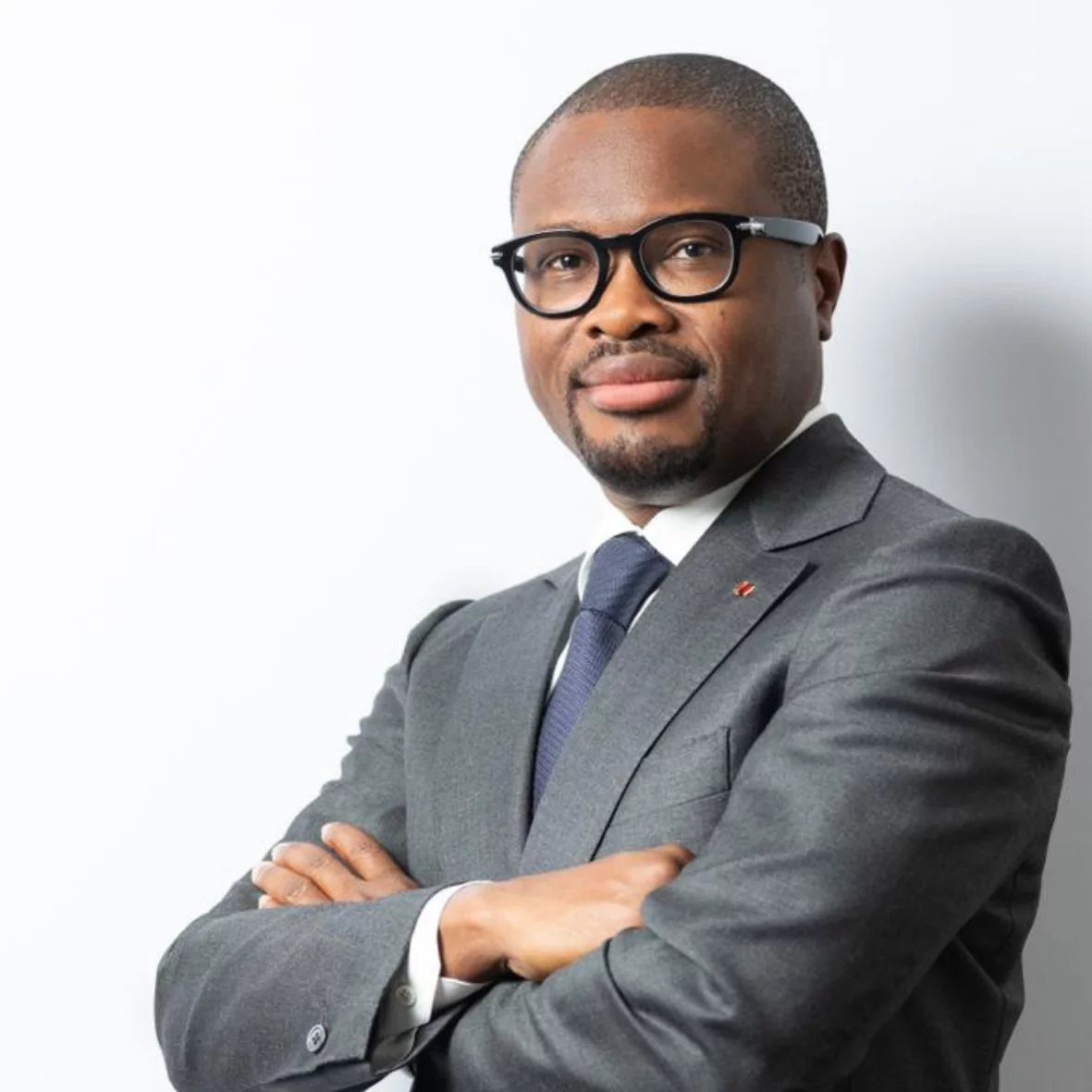
As dawn breaks over Cotonou, the Independent National Electoral Commission (CENA) unveils provisional results, signaling a watershed moment for Benin. With an overwhelming 94.05% of the vote, Romuald Wadagni emerges not just as a former finance minister but as the nation’s elected president—a leader whose mandate embodies stability, continuity, and the unshaken strength of Benin’s democratic model.
In a region where political turbulence often disrupts progress, Benin has once again proven that institutions can outlast personalities. Patrice Talon’s decision to step down after two terms, strictly adhering to constitutional limits, underscores a rare commitment to democratic norms. His seamless handover to Wadagni—despite clear political lineage—reaffirms a powerful truth: Benin’s democracy thrives not because of its leaders, but because of its rules.
a mandate rooted in economic momentum
The landslide victory reflects more than political allegiance; it signals deep public trust in Benin’s economic trajectory since 2016. Under Wadagni’s stewardship, the country has sharpened its financial credibility on global markets and accelerated infrastructure upgrades at an unprecedented pace. Voters have endorsed the ‘Beninese economic miracle’—a model built on pragmatism, long-term planning, and results that transcend partisan divides.
This election outcome also reflects a strategic realignment, with key opposition figures—particularly from Les Démocrates—rallying behind Wadagni’s vision. The message is clear: Benin’s democracy is maturing, prioritizing governance and progress over divisive rhetoric.
opposition rises with dignity
The election’s strength was further highlighted by Paul Hounkpè’s dignified concession. Recognizing defeat early and offering formal congratulations before official results were finalized, he demonstrated how political rivalry can coexist with national cohesion. This peaceful transition stands in stark contrast to the tensions seen during the 2019 and 2021 electoral cycles, marking a new chapter of reconciliation between electoral competition and civic peace.
inheriting opportunity—and challenge
As Romuald Wadagni prepares to lead, he inherits a transformed nation—one with stronger institutions and growing global influence. Yet significant challenges remain. Beyond his resounding mandate, he must govern inclusively: addressing concerns over political space, reinforcing security along northern borders, and ensuring that prosperity reaches every community.
The ‘triumph’ celebrated today belongs not to a single leader or faction, but to a system—one that values order, resilience, and forward momentum. The Constitutional Court now has the responsibility to validate this verdict, formally ushering in the Wadagni era: a presidency defined by hope, efficiency, and national renewal.