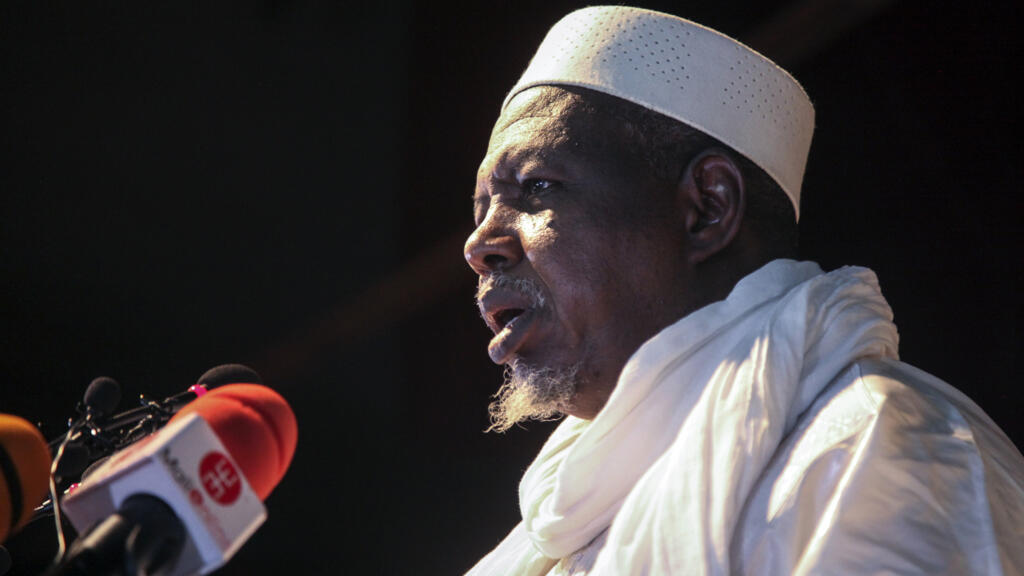
South African courts have rejected panafricanist activist Kemi Seba’s bail application during a Pretoria hearing on November 26, 2026. The decision comes amid mounting concerns over alleged international extraction networks, including suspected Russian involvement, that could facilitate his clandestine departure from South Africa.
Activist Kemi Seba remains in custody following the Pretoria court’s refusal to grant bail. The ruling reflects ongoing judicial concerns about potential exfiltration operations, even as Seba faces charges in South Africa and faces extradition requests from Benin.
Court rules out bail over suspected extraction networks
The primary justification for denying bail centers on the risk that a provisional release could enable Seba to evade judicial proceedings. Investigators have identified suspicions of an organized network capable of orchestrating his illegal departure from South African territory.
Security concerns escalated after reports emerged of an alleged escape attempt at a previous hearing on November 20, when Seba allegedly feigned illness to flee Pretoria court premises. Enhanced security measures were immediately enforced, with heavily armed officers escorting the activist.
While Seba’s associates have disputed some accusations, judicial authorities maintain that the flight risk warrants continued detention to ensure his availability for legal proceedings.
Russian connections fuel exfiltration suspicions
The case has taken on geopolitical dimensions following revelations of alleged ties to Russian networks involved in potential extraction operations.
Reports indicate that a proposed clandestine escape route could have involved transit through Zimbabwe before reaching Russia or Niger. Alexandre Dugin, a Russian ultraconservative ideologue, has been linked to offers of exfiltration support for Seba, according to previously published international investigations.
The suspected network allegedly includes Russian operatives responsible for logistical coordination across multiple countries, raising questions about the scope and capability of transnational support structures.
International networks complicate judicial oversight
The Seba case underscores the complexities of transnational organized networks capable of undermining judicial processes. South African authorities must now assess not only individual flight risks but also the potential mobilization of external support systems offering financial, logistical, or operational assistance.
A successful extraction would require bypassing border controls and surveillance mechanisms, suggesting the involvement of a structured organization with sufficient resources and local connections.
This reality has made bail conditions insufficient in the court’s view, leaving Seba detained while investigations proceed into the full extent of these alleged networks.
Multiple legal battles shape Seba’s detention
Kemi Seba’s arrest in Pretoria on April 13, 2026, alongside international figures has led to overlapping legal disputes. South African authorities are examining his presence in the country and alleged involvement in money laundering and state security violations.
Meanwhile, Benin has formally requested his extradition to face charges related to financial crimes and endangering national security. Seba maintains his innocence throughout these proceedings.
The continued detention reflects South Africa’s assessment that provisional freedom would not guarantee his availability for either set of legal proceedings, given the suspected international support networks.
Pretoria prioritizes judicial integrity amid global concerns
This case presents South African authorities with a critical challenge: ensuring judicial integrity when defendants may leverage international networks to avoid prosecution. The decision to deny bail demonstrates Pretoria’s commitment to preventing potential exfiltration, even if it means prolonged detention.
The court’s stance indicates that standard bail conditions cannot sufficiently mitigate the risks posed by transnational extraction capabilities. Seba’s case has thus become a test case for judicial systems facing similar globalized threats.
As investigations continue, questions remain about the true scope of these alleged networks, their operational capabilities, and the political implications of foreign involvement in the case.
For now, Kemi Seba remains imprisoned in South Africa, with international extraction fears continuing to shape his legal trajectory.