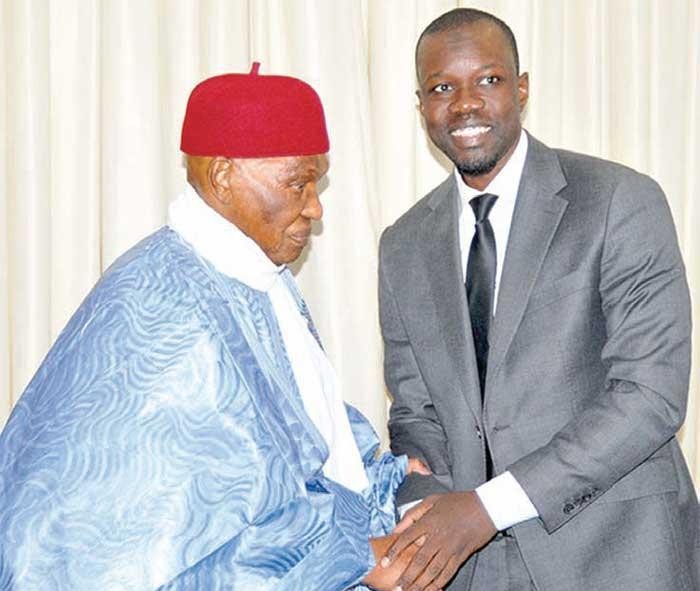
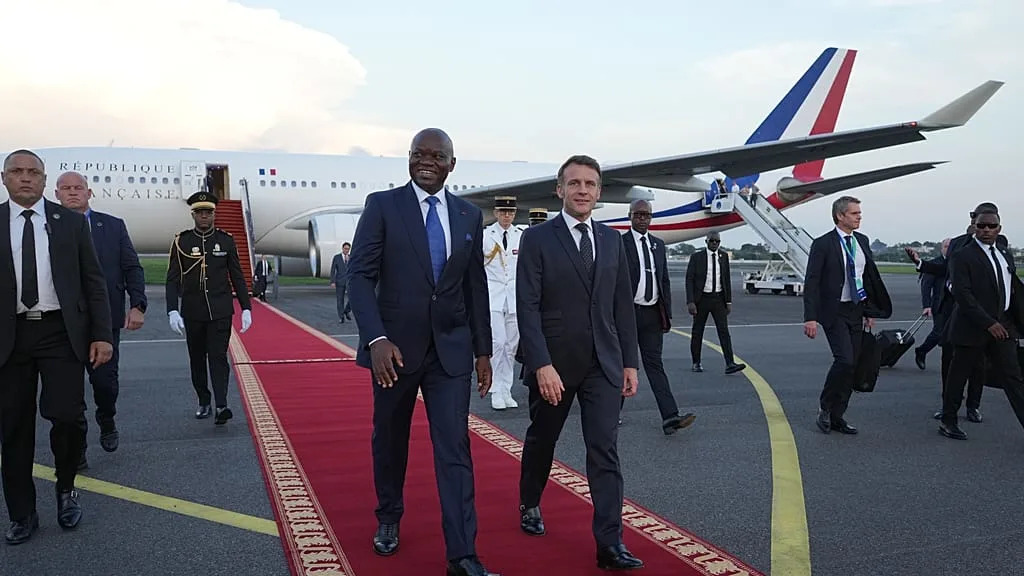
The Guinean agribusiness giant SONOCO is poised to revolutionize Gabon’s poultry sector. During a high-level meeting with President Brice Clotaire Oligui Nguema, the panafrican conglomerate unveiled ambitious plans to establish a large-scale production chain aimed at cutting the country’s reliance on imported poultry. With an annual target of over 15 million chickens, this initiative represents an unprecedented scale for Gabon’s meat industry.
This strategic move aligns with the interim government’s broader economic diversification agenda, which prioritizes reducing food import bills and boosting rural employment. Gabon currently imports nearly all the poultry consumed domestically, a dependency widely recognized as a barrier to food sovereignty and economic resilience.
From farm to fork: a fully integrated poultry value chain
SONOCO’s project is designed as a vertically integrated system covering every stage of production: breeding, feed manufacturing, processing, and distribution. By controlling the entire supply chain, the company aims to cut costs, ensure consistent supply, and deliver high-quality, locally produced chicken at competitive prices—outperforming frozen imports from Brazil, the United States, and Europe in both freshness and affordability.
The initiative includes the construction of state-of-the-art breeding facilities, a local feed mill to produce compound feeds, and processing plants built to international sanitary standards. For Gabon, where the poultry sector is still in its infancy, this industrial leap could reshape the nation’s agro-food landscape for decades to come.
SONOCO, already a major industrial player across West Africa, brings decades of continental experience to the Gabonese market. Its panafrican profile is a key selling point for authorities, who see the partnership as a tangible example of South-South cooperation between Conakry and Libreville.
Strengthening food sovereignty by reducing import dependency
For Libreville, the stakes extend beyond poultry production. Despite abundant arable land and favorable agricultural conditions, Gabon remains heavily dependent on food imports, a situation that drains foreign reserves and undermines economic stability. President Oligui Nguema has made reducing this reliance a cornerstone of his economic policy since taking office.
The arrival of a structured investor like SONOCO in the poultry sector is a direct response to this challenge. By producing millions of chickens locally each year, the project could significantly reduce foreign currency outflows tied to frozen meat imports. Officials also highlight its potential to create thousands of direct and indirect jobs, particularly in rural areas where industrial poultry farming could provide stable, long-term employment for young workers.
Yet, achieving such an ambitious goal requires overcoming several structural hurdles. Key challenges include securing suitable land, ensuring a steady supply of raw materials for feed production, maintaining a stable regulatory environment, and optimizing distribution logistics—common obstacles faced by poultry operators across Central Africa. The group’s ability to navigate these challenges will determine whether the project reaches its full potential.
A bold signal to African investors
Beyond the SONOCO initiative, this diplomatic and economic engagement reflects Gabon’s renewed focus on attracting African capital into productive sectors. By choosing to engage with a Guinean, rather than Western or Asian, firm at the highest level, Libreville is signaling a deliberate shift toward deeper continental integration.
While the exact investment amount and deployment timeline have not been disclosed following the presidential meeting, next steps are expected to include negotiating framework agreements, identifying industrial sites, and securing financing. For Gabonese authorities, the real test will be turning this announcement into a thriving industrial reality.