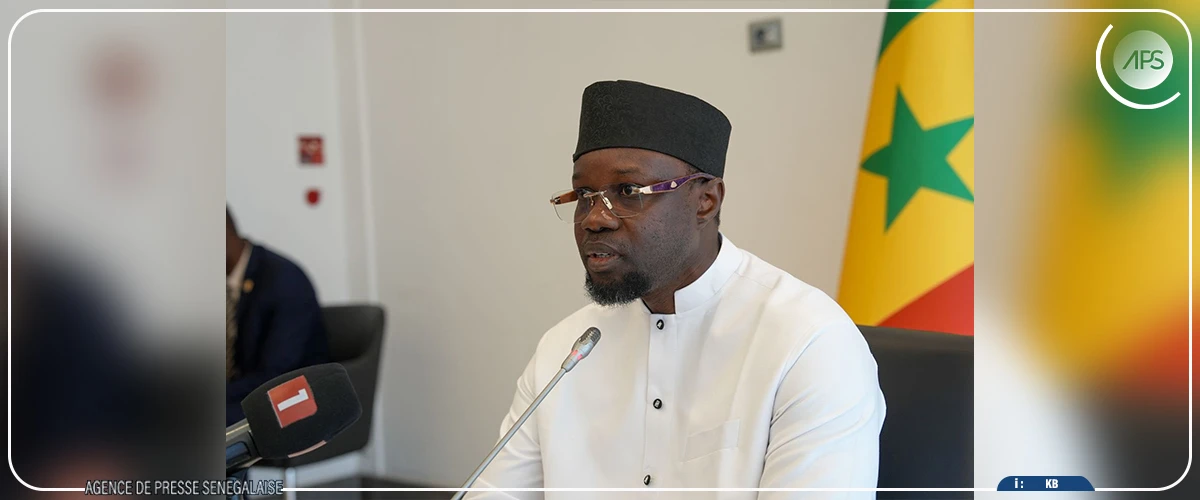
The Government of Senegal has identified 245 stalled infrastructure projects, representing a total public investment of 279 billion West African CFA francs in dormant assets, Prime Minister Ousmane Sonko revealed during a high-level interministerial meeting in Dakar.
This assessment follows a directive issued by the Council of Ministers on April 15, instructing each ministry to conduct a comprehensive review of delayed or suspended infrastructure projects within their portfolios. According to Sonko, the technical diagnosis confirmed that these projects—whether partially completed or fully constructed but left unused—account for the staggering financial loss.
Financial constraints emerge as the primary obstacle, with many projects halted due to insufficient funding. However, Sonko also highlighted technical complications as a significant factor, including unaddressed issues in hydraulic and electrical network connections that prevent infrastructure from becoming operational.
In response to these findings, the Prime Minister announced two key measures: the establishment of a dedicated committee at the Prime Minister’s Office to oversee and finalize the inventory process, and a formal request to expand the assessment, as he believes the current list may not capture the full scope of the problem.
Sonko emphasized the unconscionable nature of constructing infrastructure without ensuring its immediate utility, labeling this oversight as a major contributor to the delays. He deplored the severe financial and operational losses incurred, stressing that negligence, poor planning, and outright mismanagement have prolonged project stagnation.
The Prime Minister issued a stern warning: zero tolerance must be enforced against recurring inefficiencies that derail infrastructure delivery. He called for urgent reforms to prevent further accumulation of dormant assets, underscoring the need for accountability and proactive solutions to revitalize Senegal’s infrastructure sector.