Togbui Adjikou Lanklivi’s recognition revoked: a dispute shaking Togo’s traditional leadership
The alleged withdrawal of official recognition for Togbui Adjikou Lanklivi I, paramount chief of Adakpamé Kpota-Colas in Lomé’s Golfe 1 district, has ignited sharp reactions across Togo’s customary, political, and administrative spheres. For days, the controversy has dominated discussions on social media and in public forums, blending legal debates, protocol concerns, and questions about traditional authority.
Protocol violations spark administrative action
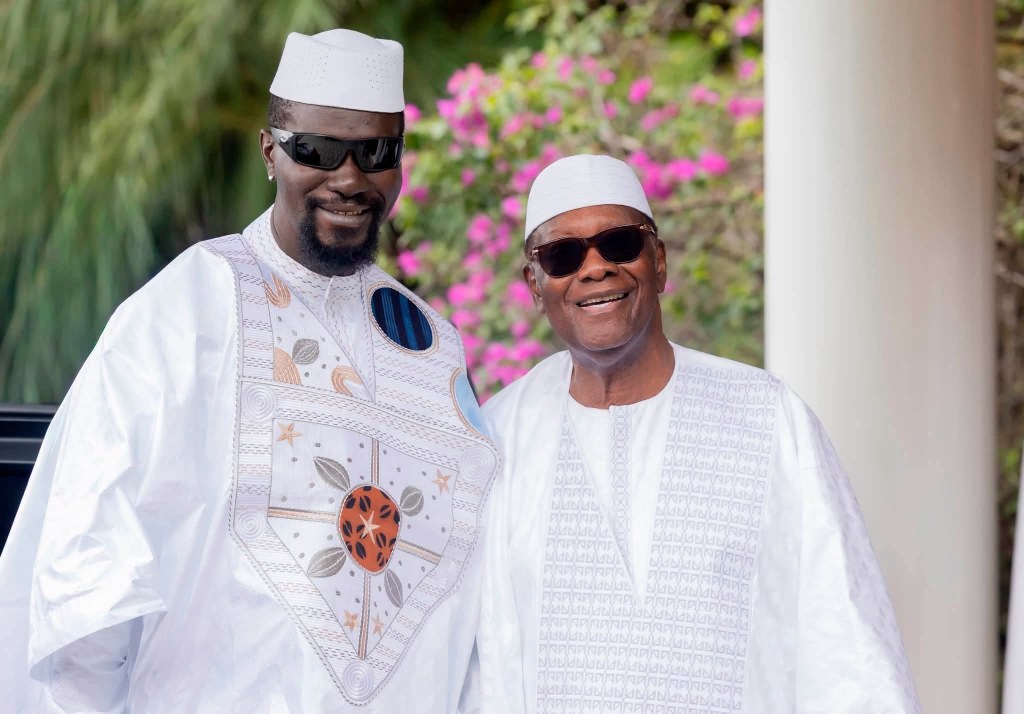
At the center of this dispute lies a New Year’s greeting ceremony for the Prime Minister, Faure Gnassingbé. Multiple sources report that Togbui Lanklivi’s attendance at the event—despite not being on the official guest list—was seen as a breach of protocol by administrative officials. This perceived act of insubordination has now triggered a review of his traditional leadership recognition.
The controversy highlights the strict rules governing the participation of customary leaders in official ceremonies. Some officials argue that the chief’s presence undermined established protocols, while others view the incident as a test of discipline within Togo’s traditional governance system.
A deeply rooted dispute in customary circles
The fallout extends beyond mere administrative procedures. In the Adakpamé community, many residents and supporters of Togbui Lanklivi condemn the decision as unjust, emphasizing his long-standing contributions to social cohesion, community mediation, and support for vulnerable populations. His critics dismiss these claims, insisting that adherence to protocol must take precedence over personal influence.
Over the years, the chief has been credited with spearheading initiatives benefiting youth, fostering social peace, and strengthening communal bonds in Adakpamé. These achievements, however, are now overshadowed by the ongoing dispute.
Meanwhile, some analysts caution against reducing the issue to a simple administrative matter. They argue that the tension reflects deeper challenges in balancing institutional authority with the legitimacy of traditional leadership in Togo.
Togo’s traditional leadership: between recognition and oversight
The recognition of customary chiefs in Togo is governed by administrative procedures that place them in a unique position—simultaneously respected community leaders and regulated officials under state authority. When protocol is breached, the consequences can extend beyond individual reputations, evolving into broader debates about power, representation, and the role of tradition in modern governance.
As the controversy persists, calls for official clarification grow louder. Many fear that the lack of transparency is fueling speculation and needlessly escalating tensions. The issue also underscores the strategic importance of traditional leadership in Togo’s social and political landscape, particularly at a time when the balance between administrative authority and customary legitimacy remains under intense scrutiny.
Until authorities provide clear answers, the future of Togbui Adjikou Lanklivi I’s leadership—and the stability of Adakpamé’s traditional structures—remains uncertain.