Beyond being neighbors in the African Sahel, Burkina Faso, Mali, and Niger currently share at least three critical characteristics.
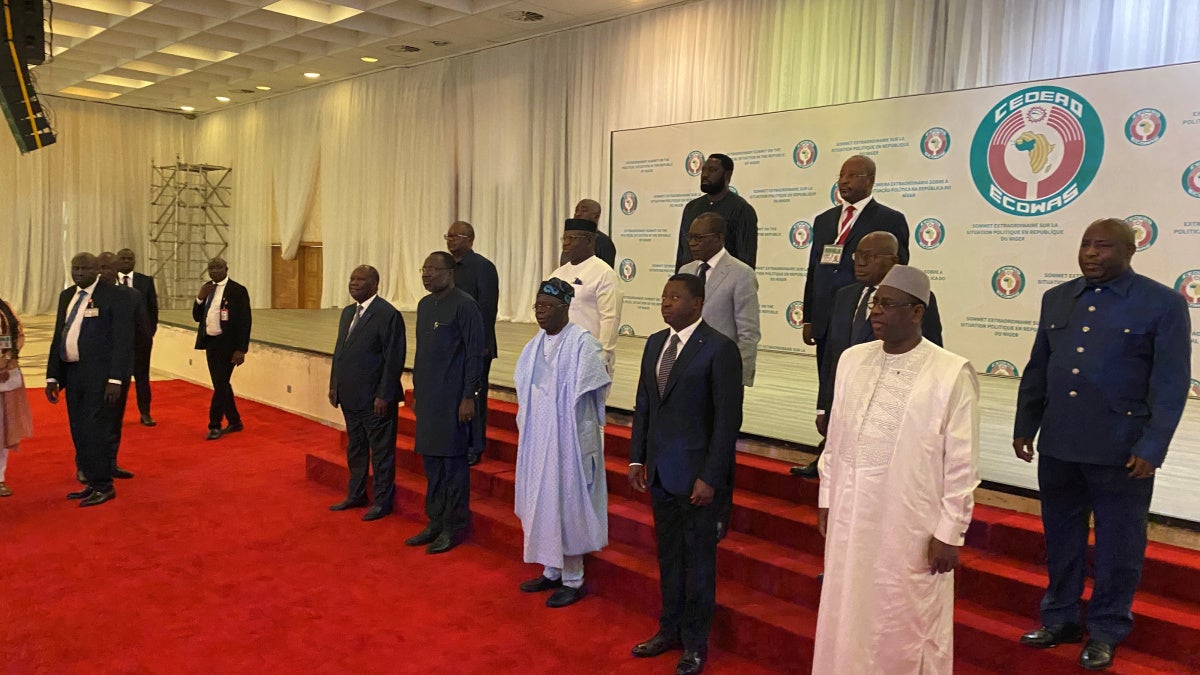
First, all three nations are under the governance of military juntas. Second, these regimes are linked to severe human rights violations and atrocities. In this region, violence against civilians during conflict has become alarmingly frequent, accompanied by the suppression of political and civil liberties. Third, each has formally withdrawn from the Economic Community of West African States (ECOWAS).
This departure from the regional bloc is more closely tied to the first two points than it might appear.
Within the framework of ECOWAS, the Community Court of Justice serves as a vital legal pillar. Since 2005, this tribunal has held the authority to hear human rights cases brought forward by residents of member states. Crucially, citizens can bypass their own domestic legal systems and petition the ECOWAS Court directly.
This judicial body has historically issued landmark rulings regarding human rights, specifically involving cases from Burkina Faso, Mali, and Niger.
Consequently, it is clear why military juntas—whose security forces are implicated in grave abuses—are eager to leave ECOWAS. By doing so, they effectively remove their actions from the Court’s jurisdiction, shielding themselves from international legal accountability.
While this is a calculated move for the regimes, it represents a devastating blow for victims. Those who have suffered crimes at the hands of military authorities are losing a primary gateway to justice.
Local and national avenues for legal recourse have already been largely dismantled. In Burkina Faso, Mali, and Niger, the ruling juntas rarely investigate, let alone prosecute, security forces or armed groups responsible for serious wartime abuses. Now, the options for victims to seek redress are even more limited.
The newly established confederation between these three countries makes it evident that accountability and the rule of law are not on the agenda.
A Malian political activist currently living in France reflected on this shift, noting that since seizing power, these military governments have consistently failed to hold those responsible for flagrant human rights breaches accountable. This latest withdrawal serves as a final confirmation of their disregard for fundamental rights and judicial integrity.