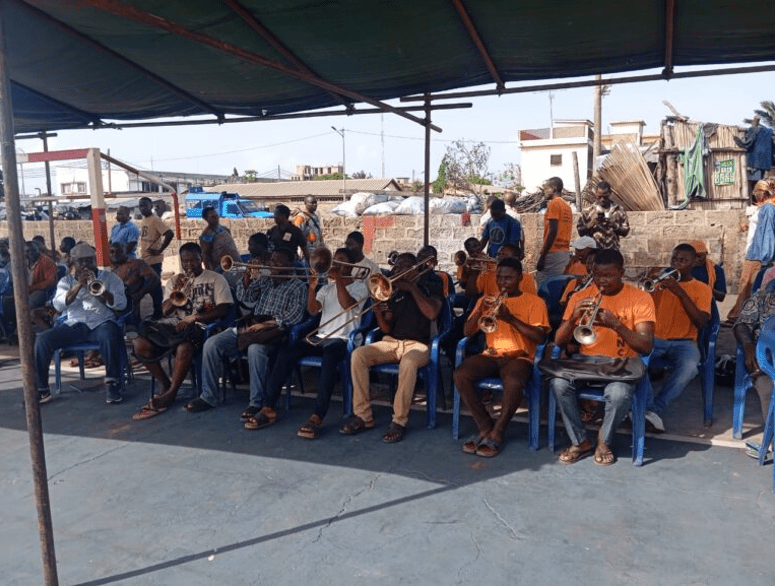
Togo’s political landscape witnessed a muted response to the CNCC’s (Cadre national de concertation pour le changement) latest rally in Akassimé, Lomé. Contrary to expectations, the highly anticipated gathering on Saturday, May 9, 2026 drew only sparse crowds, underscoring growing public disillusionment with traditional protest methods.
Scheduled to kick off at 2 PM, the event struggled to muster more than a handful of supporters even after one hour. Observers attribute the tepid turnout to a broader shift in citizen priorities, with many now focusing on tangible solutions like employment opportunities, access to clean water, and the universal health insurance scheme (Amu) rather than political slogans.
Key opposition figures, including sitting National Assembly deputies, found themselves facing an uphill battle in rallying the crowd. Their messaging—often perceived as overly alarmist—struggled to resonate with an electorate increasingly demanding actionable results over rhetorical appeals. This disconnect has fueled skepticism about the coalition’s strategy, leaving some questioning its coherence between institutional positioning and street-level mobilization.
The transition from the CRAC (Cadre de réflexion et d’action citoyenne) to the CNCC has done little to revive momentum. Critics argue the rebranding amounts to little more than a superficial facelift, with little substantive change in the group’s core messaging. Instead of a sweeping national forum, the gathering felt more like a localized community meeting, devoid of the impact needed to sway public opinion or policy.
For Togo’s opposition to regain credibility, a fundamental reassessment of its tactics is essential. The waning appeal of outdated protest narratives signals that citizens now demand tangible contributions to the nation’s progress. Political survival hinges on the ability to offer viable alternatives—rooted in concrete development initiatives—rather than fleeting, headline-grabbing mobilizations.