urgent alert on malaria funding cuts for North Kivu province
With the global fund grant application window closing soon, Médecins Sans Frontières is raising the alarm: North Kivu province risks being excluded from critical malaria funding in the Democratic Republic of Congo. As the disease remains the leading cause of illness in this conflict-stricken region, this withdrawal could devastate local health outcomes and deepen humanitarian suffering.
the GC8 funding cycle: a financial decision with devastating consequences
The GC8 cycle represents the next three-year budget period (2027-2029) for the Global Fund to fight malaria, HIV, and tuberculosis. Grant applications close at the end of July. Currently, North Kivu—a province grappling with armed conflict—appears unlikely to be included in malaria funding despite its urgent needs. Financial allocations, driven by national priorities, directly determine healthcare access in vulnerable regions.
« For years, the Global Fund has been a lifeline for North Kivu residents battling malaria. If these critical funds vanish, the consequences will be catastrophic. Malaria is preventable and treatable—yet in 2026, people continue dying from a disease we know how to stop », warns Stéphane Doyon, MSF program manager.
The exclusion of North Kivu comes as the province faces overlapping crises. Its already fragile health system is now battling a rapidly spreading Ebola outbreak. Misdiagnosis risks soar, as early symptoms of both diseases overlap, overwhelming already stretched-thin medical facilities.
armed conflict fuels malaria surge in North Kivu
« North Kivu remains one of the provinces hardest hit by ongoing armed conflict. Repeated population displacements, food insecurity, and barriers to healthcare drastically increase malaria exposure and severe illness risks », explains Stéphane Doyon.
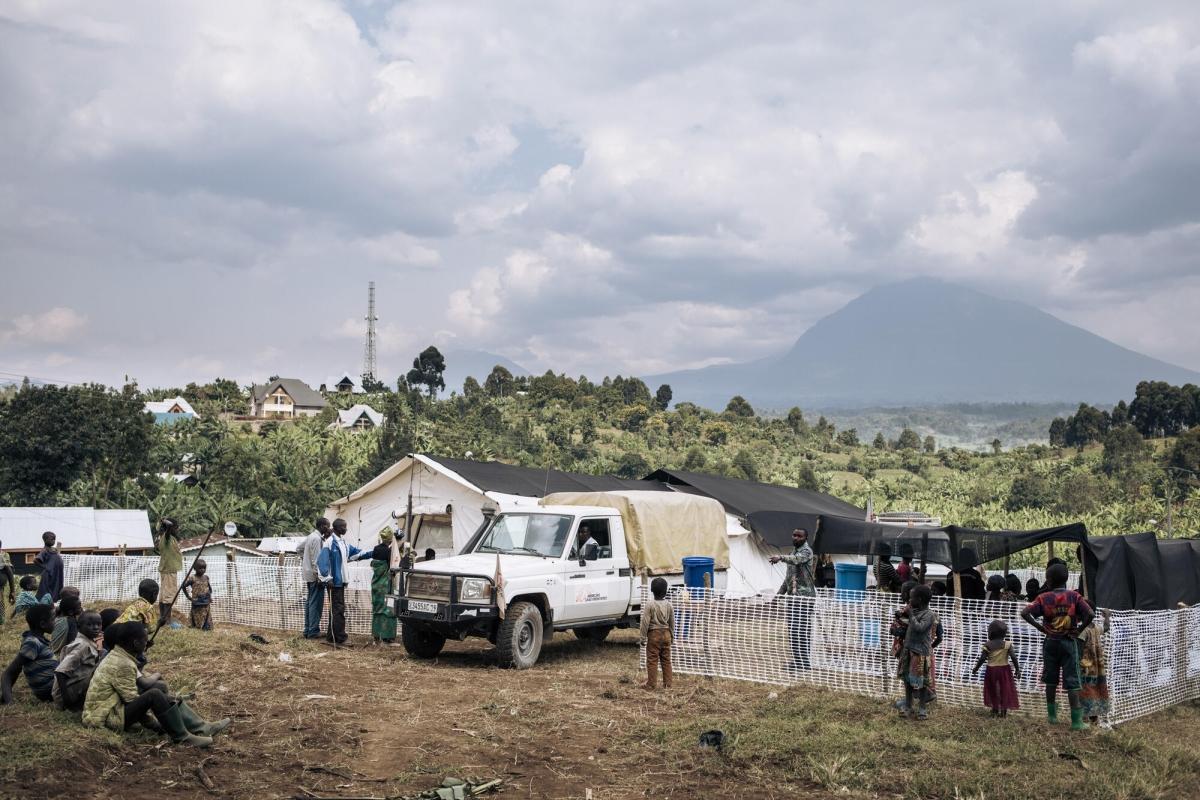
Fighting between government-backed armed groups and the M23 rebel alliance has forced civilians into forests and remote areas—ideal breeding grounds for mosquitoes yet devoid of medical care. In 2025, malaria accounted for 48% to 58% of medical consultations in MSF-supported zones like Bambo, Kibirizi, and Rutshuru:
- Over 255,000 uncomplicated and 26,000 severe malaria cases were treated by MSF, the Ministry of Health, and partners.
- 165,560 patients received care in MSF-supported facilities.
malnutrition worsens an already dire health crisis
Rising malnutrition rates complicate malaria cases, particularly among children under five. The combination dramatically increases complication risks and fatalities in a province where healthcare access is already severely limited.
critical prevention gaps emerge as funding dries up
Essential malaria prevention measures have already vanished in some areas. No long-lasting insecticide-treated nets have been distributed since June 2023 in historically funded zones. Between July and December 2025, no malaria tests or treatments reached North Kivu due to logistical hurdles.
MSF has stepped in to fill the void, procuring medicines and rapid tests for local health centers:
- MSF provided 53% of uncomplicated malaria treatments.
- MSF managed 35% of severe malaria cases in Kibirizi, Bambo, and Rutshuru through partnerships with the Ministry of Health and other organizations.
A stopgap measure that cannot sustain an entire province’s healthcare needs.
urgent call for fair funding allocation
With the Global Fund’s submission deadline looming, MSF is urging both the fund and Kinshasa authorities to reinstate North Kivu in the GC8 malaria program. Teams also call on the Ministry of Health to prioritize resource allocation based solely on disease burden and civilian vulnerability—no political or administrative barriers should stand in the way of survival.