Why the united states is rebuilding ties with Sahel juntas shifting toward Russia
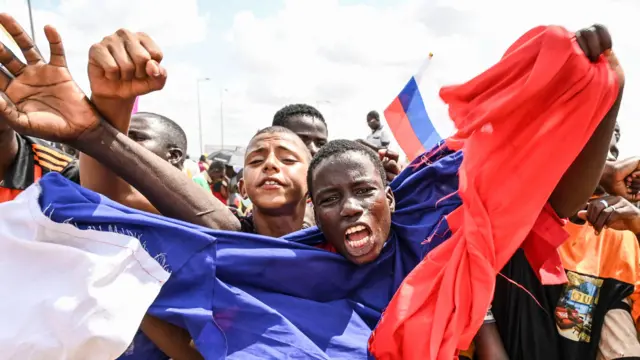
In a dramatic shift, the united states is reviving military and economic cooperation with the Sahel’s three military-led governments—Mali, Burkina Faso, and Niger—despite their pivot toward Russia. this strategic realignment comes as Washington faces growing concerns over regional security threats and mineral resources in west africa.
Washington’s new approach to west africa’s military regimes
The u.s. state department recently announced a high-level visit by nick checker, head of its africa bureau, to Bamako. the trip aims to highlight Washington’s respect for Mali’s sovereignty and explore a fresh chapter in bilateral relations, moving beyond past political missteps. the visit also signals openness to collaborate with neighboring Burkina Faso and Niger on shared security and economic priorities.
Notably absent from the agenda is the longstanding u.s. emphasis on democracy and human rights. since coups toppled elected leaders in all three countries between 2020 and 2023—with Niger’s former president mohamed bazoum still held under house arrest—the biden administration had suspended military cooperation. however, the trump administration’s return to power has accelerated a complete policy overhaul.
from aid cuts to security-focused partnerships
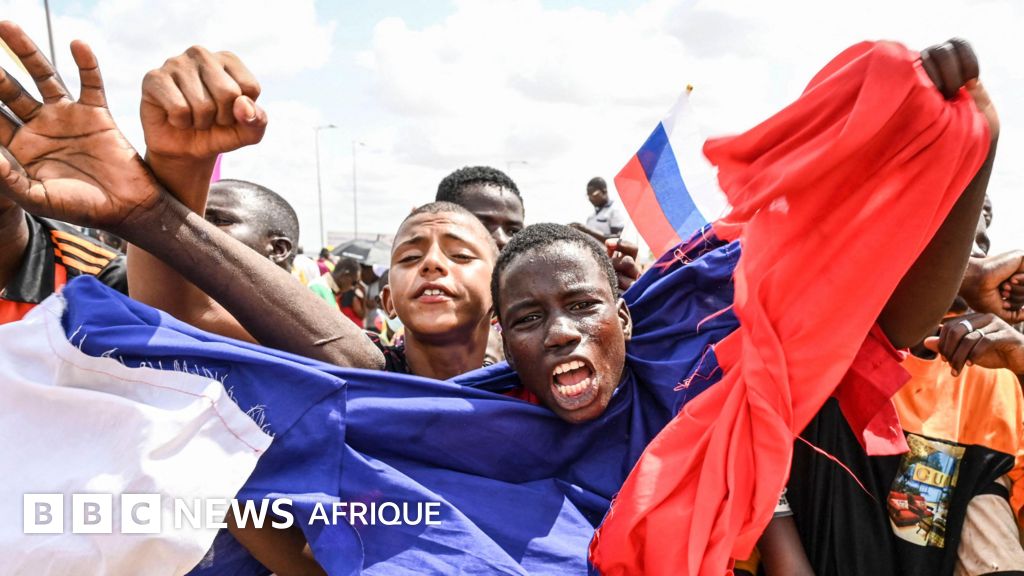
This shift became evident when the u.s. closed its usaid mission in the region shortly after donald trump’s presidential inauguration. it was followed by repeated signals prioritizing security and mineral wealth over development, governance, and environmental concerns. the announcement of checkers’ visit underscores Washington’s explicit recognition of Mali’s sovereignty—a message likely to resonate in Bamako and allied capitals, where military leaders have cultivated popularity by embracing pan-africanist rhetoric and rejecting former colonial power France.
why the united states is ignoring democratic backsliding
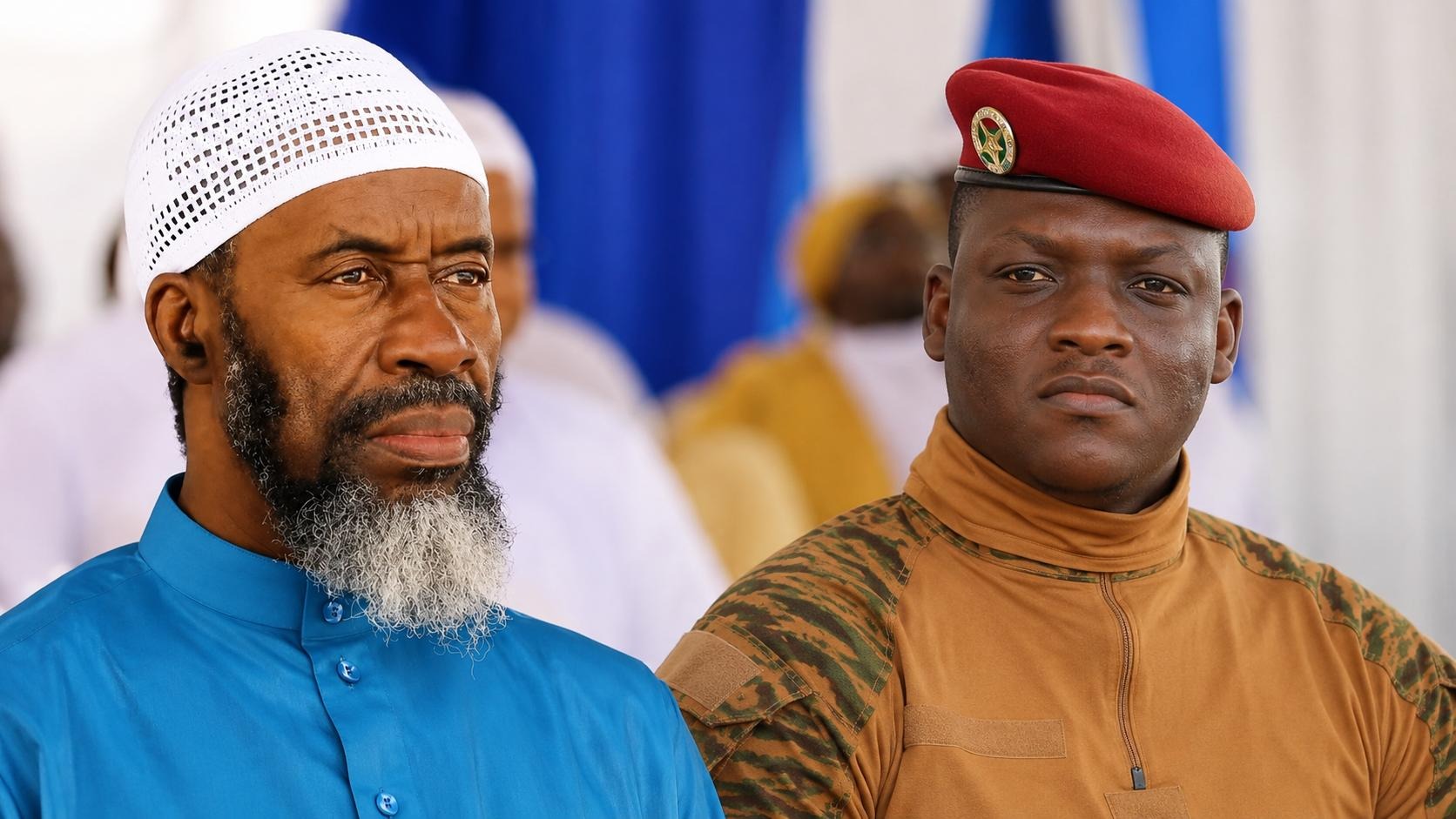
captain ibrahim traoré, leader of Burkina Faso, has positioned himself as a champion against “imperialism” and “neocolonialism,” winning massive support among young africans through social media campaigns. the trump administration has made it clear it will not interfere in domestic affairs, even if regimes reject western-style democratic governance. massad boulos, trump’s senior africa advisor, stated last year: “democracy matters, but our policy is not to interfere in other countries’ internal affairs. people have the right to choose their own system.”
This hands-off approach marks a stark departure from the obama and biden eras, when u.s. africa command emphasized good governance alongside military support. during a 2024 visit to Bamako, general michael langley, then-africom chief, stressed the importance of environmental and governance issues. but under trump, africa command now prioritizes counterterrorism above all else—a message reiterated by counterterrorism coordinator rudolph attalah during his visit to Mali.
the terror threat driving u.s. engagement
The Sahel—semi-arid lands south of the Sahara—is now considered the global epicenter of terrorism. according to some estimates, the region accounts for half of all terrorism-related deaths worldwide. while most victims are local, the u.s. fears ungoverned spaces could become breeding grounds for jihadist expansion, potentially threatening international security. the “three-border region” where Mali, Burkina Faso, and Niger meet is particularly volatile, with the islamic state’s Sahel affiliate, isgs, leading attacks. the recent assault on Niamey’s airport highlights the growing menace.
Beyond security, the Sahel holds critical mineral reserves. Mali produces lithium for batteries and pharmaceuticals, Niger boasts significant uranium deposits, and all three countries are major gold producers. the nigerien junta has already nationalized its main uranium mine—previously operated by french firm orano—and is exploring partnerships with Russia. Washington appears determined not to cede influence to Moscow, which has deployed about 1,000 private security contractors to Mali, with smaller contingents in Burkina Faso and Niger. while russian forces have faced allegations of abuses in Mali, the u.s. now views their presence as less destabilizing than under the biden administration.
what u.s. support will look like
Washington is not planning major troop deployments or reopening its drone base in Agadez, Niger—a facility previously home to 800 u.s. personnel, expelled after biden demanded democratic transitions. instead, the u.s. will focus on intelligence sharing and possibly arms supplies. general john brennan, africa command deputy director, confirmed ongoing support for counterterrorism efforts, including against the islamic state.
This pragmatic shift aligns with the juntas’ withdrawal from the west african economic bloc ECOWAS last year, following sanctions over delayed elections. the three countries are now forming the alliance of Sahel states (AES), effectively ending ECOWAS’ influence over their internal governance. while this has strained regional cohesion, it has also opened doors for pragmatic cooperation against islamist militants infiltrating neighboring countries like Benin, Nigeria, Togo, Ghana, and côte d’ivoire.
As west africa grapples with this security crisis, u.s. intelligence and potential arms transfers could deliver quick tactical wins against jihadist forces. however, as France’s decade-long military deployment showed, high-tech weaponry alone cannot restore peace without addressing the region’s deep-rooted social and economic challenges.