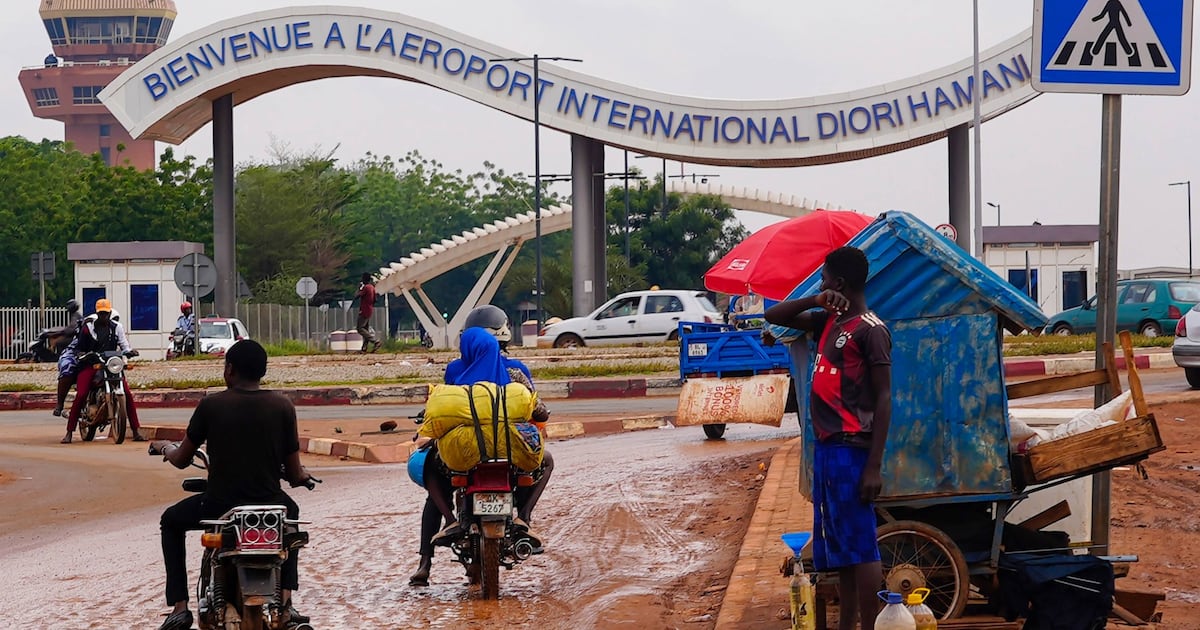
During the late hours between Wednesday, January 28, and Thursday, January 29, intense gunfire and explosions erupted around the Diori Hamani International Airport in Niamey. In a rare occurrence for the capital, the site was the target of a direct assault. Two days later, the Islamic State in the Sahel (ISS) claimed responsibility for the operation through its AMAQ propaganda outlet, marking a significant moment in Niamey breaking news.
Government officials in Niger reported that the confrontation lasted roughly an hour before being neutralized by an integrated air and ground response. According to official figures, which remain difficult to verify independently, twenty militants were killed and eleven were taken into custody, while four Nigerien soldiers sustained injuries. On Monday, February 2, the Russian Ministry of Foreign Affairs confirmed that personnel from the Africa Corps—a unit under the Russian Ministry of Defense—assisted local forces in securing the area.
General Abdourahamane Tiani, the leader of the transition, commended the expertise of the Russian partners stationed within their designated security zone at the airport. This perimeter includes Air Base 101, a vital hub for the military strategy of Niger.
Propaganda footage released by the Islamic State
On February 2, the Islamic State in the Sahel escalated its communication efforts by releasing a video allegedly filmed during the raid. The footage, bearing the AMAQ logo, depicts dozens of armed combatants, some on motorcycles, infiltrating the military sector of the airport. This development has dominated Niger latest news cycles due to the brazen nature of the footage.
The video shows the attackers moving toward hangars, firing weapons, and igniting fires. The footage captures damage to two small aircraft and a helicopter, which are part of the aerial assets used by the Nigerien military in counter-insurgency operations. Satellite imagery obtained after the event corroborates the presence of scorched earth near the runways.
The recording also captures the civilian side of the facility, showing commercial planes from carriers such as Asky and Air Côte d’Ivoire parked on the tarmac. While the Ministry of Defense noted that a munitions stockpile was ignited and equipment was damaged, authorities acknowledged that three civilian aircraft also suffered impacts during the chaos.
Niamey as a new target for militants
While Niger has battled the Al-Qaeda-linked JNIM and the ISS in its western and southeastern regions for a decade, direct strikes on the capital are infrequent. However, just days prior to this event, the JNIM claimed to have destroyed a military vehicle east of the city, signaling a tightening grip around the central government—a key concern in Niger current affairs.
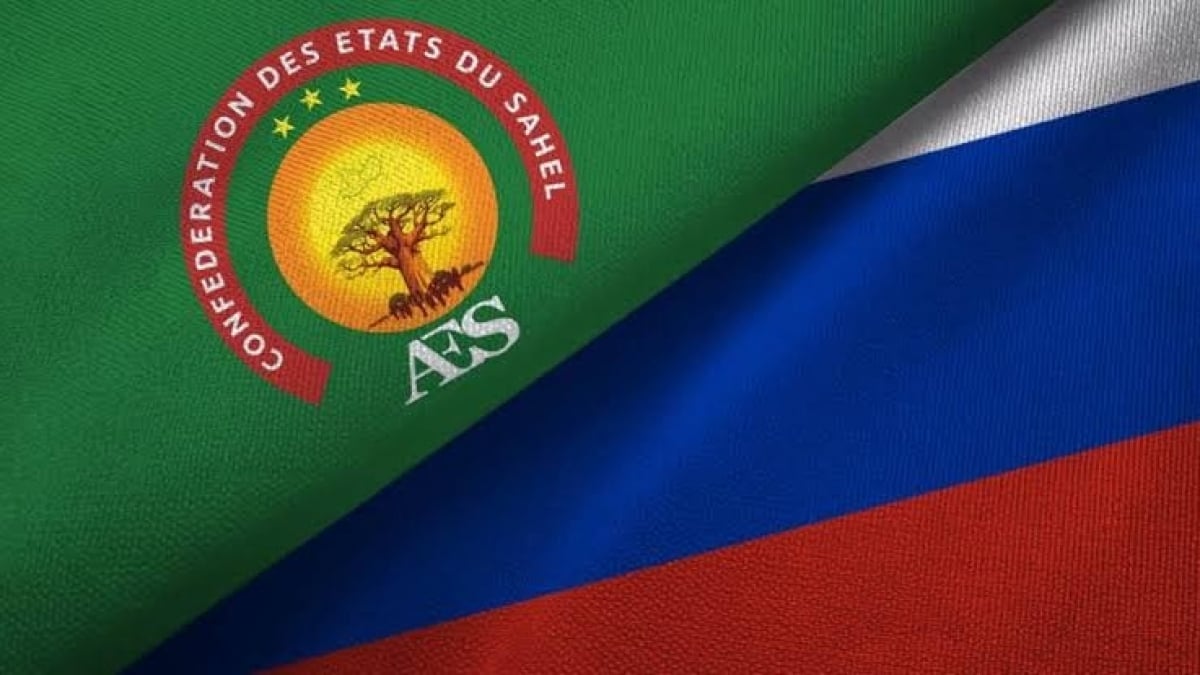
This surge in militant activity comes as the military administration reshapes its international defense ties. Since the transition of power on July 26, 2023, Niamey has pivoted toward Moscow while distancing itself from traditional Western allies. Following the exit of French troops in late 2023, the United States also withdrew the bulk of its military presence in 2024, though it maintains some diplomatic engagement.
Diplomatic friction and international accusations
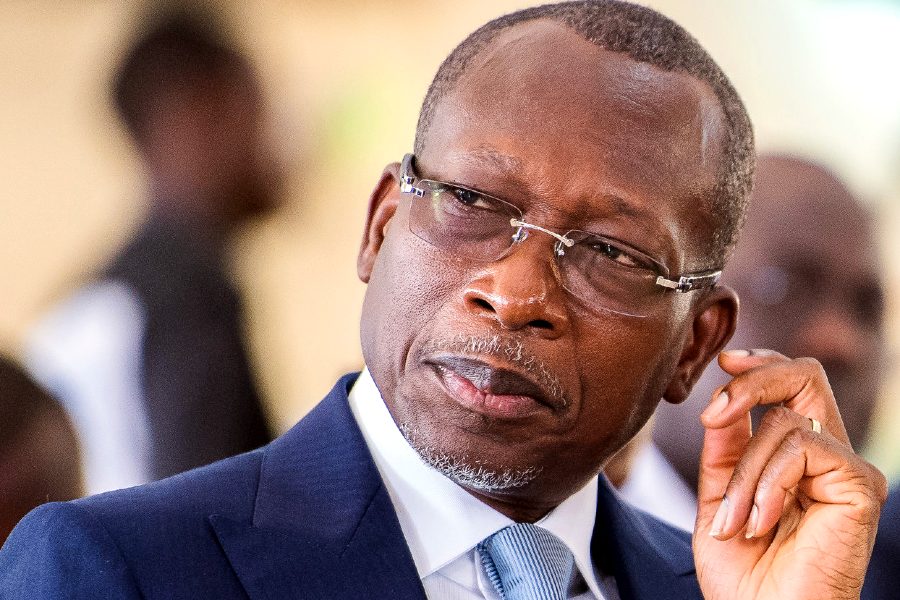
In a pointed address, General Tiani suggested that France, Bénin, and Côte d’Ivoire had played a role in supporting the attack. These allegations were swiftly refuted by Abidjan and Cotonou. Côte d’Ivoire went as far as summoning the ambassador of Niger to protest these serious claims, which threaten to destabilize regional relations and impact Niger politics today.
Meanwhile, approximately 300 Italian troops remain at the site as part of the Italian Support Mission in Niger (MISIN). Guido Crosetto, the Italian Defense Minister, clarified that his personnel were not involved in the skirmish and emphasized that their safety continues to be the top priority.
The strategic importance of the airport
The Niamey airport is more than just a transport hub; it is a high-stakes strategic asset. It serves as a military base and the headquarters for the joint military force involving Niger, Mali, and Burkina Faso. Furthermore, the site stores a significant quantity of uranium concentrate. This inventory is currently at the center of a dispute with the French firm Orano and could potentially be transferred to Russia, though logistical arrangements for such a move remain unconfirmed.
Despite the violence, commercial flights resumed the following day, and daily life in the surrounding neighborhoods returned to a level of normalcy. However, the event serves as a major turning point. By targeting the logistical and military heart of the capital, the ISS has proven its reach, while the involvement of Russian forces cements a new era in the security landscape of Niger, as followed in Niamey English news.