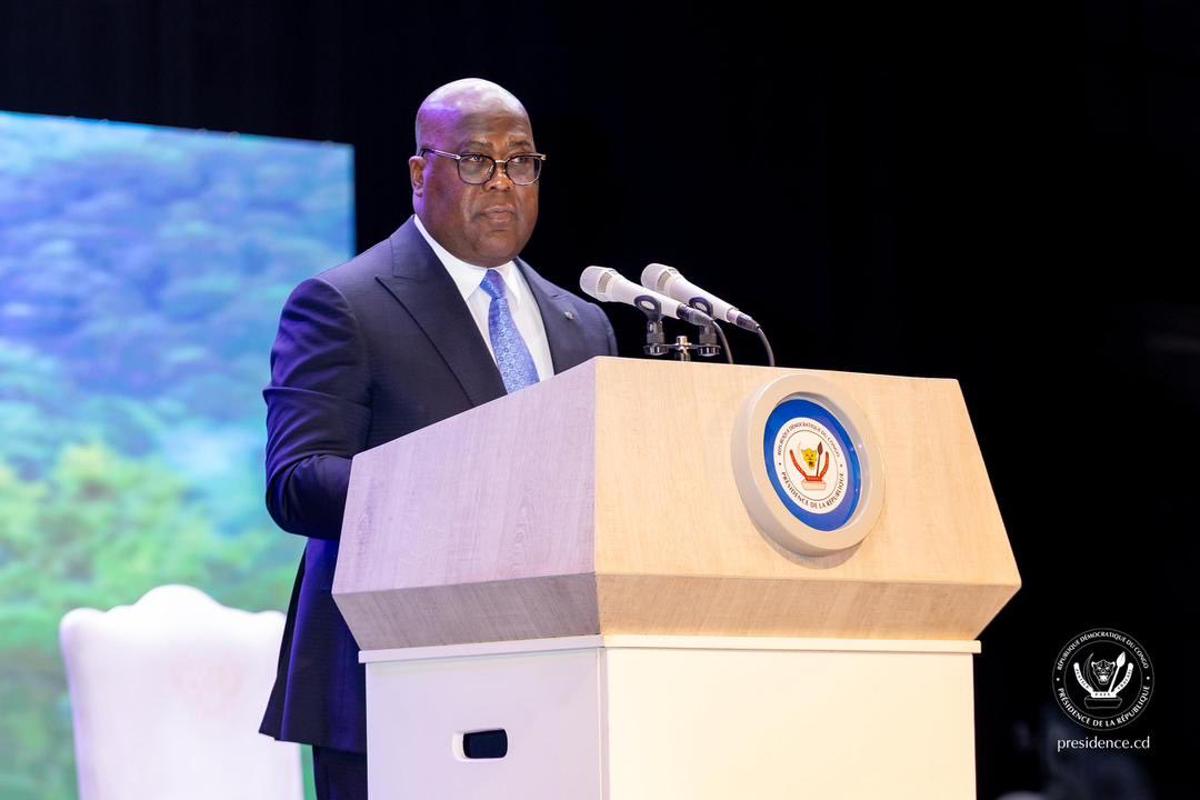
Amidst the escalating debate surrounding a potential constitutional overhaul, the human rights organization Voix des sans voix (VSV) has issued a direct appeal to President Félix Tshisekedi, urging his personal intervention to de-escalate the political climate in the Democratic Republic of Congo.
In a statement released on Wednesday, June 24, in Kinshasa, the VSV expressed deep concern that the current environment could exacerbate tensions and potentially lead to human rights violations if urgent de-escalation measures are not promptly implemented.
President Tshisekedi’s pivotal role
The VSV firmly believes that the head of state is uniquely positioned to foster calm and safeguard national unity, especially given the persistent insecurity plaguing the eastern regions of the country.
The organization implores authorities to amplify messages of national cohesion and to call upon their supporters to cease any rhetoric that could deepen societal divisions.
For the VSV, political leaders across the spectrum must exercise restraint to prevent further escalation of tensions. They emphasize that the nation’s supreme interest must take precedence over any partisan or communal considerations.
In its communiqué, the Voix des sans voix underscored that the DRC is navigating an exceptionally delicate period, primarily due to the ongoing security crisis in the East. In this context, preserving national unity and strengthening solidarity among Congolese citizens is deemed absolutely essential.
The organization also cautioned against narratives that could fuel political, ethnic, or regional rifts, asserting that no affiliation should ever override the national interest.
Upholding democratic principles
Finally, the VSV called upon all political actors to uphold democratic principles, human rights, and fundamental freedoms. They highlighted that the country’s stability is largely dependent on the capacity of leaders and their followers to prioritize dialogue and political accountability.
The organization concluded that a presidential intervention aimed at fostering appeasement could significantly help reduce tensions and prevent further deterioration of the country’s political atmosphere.