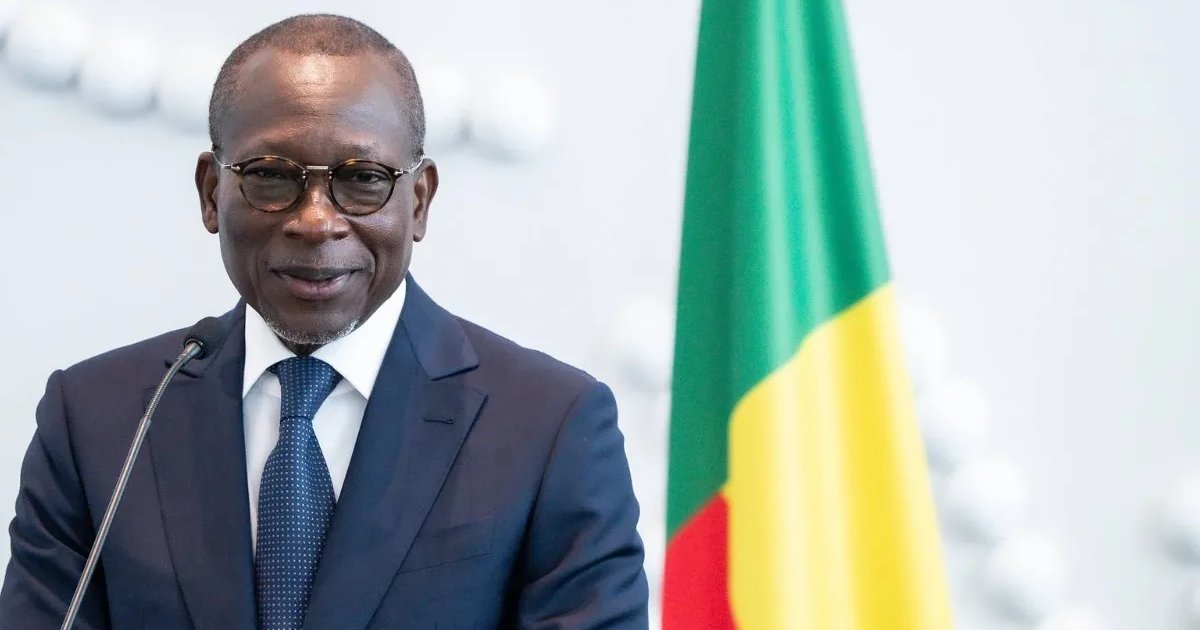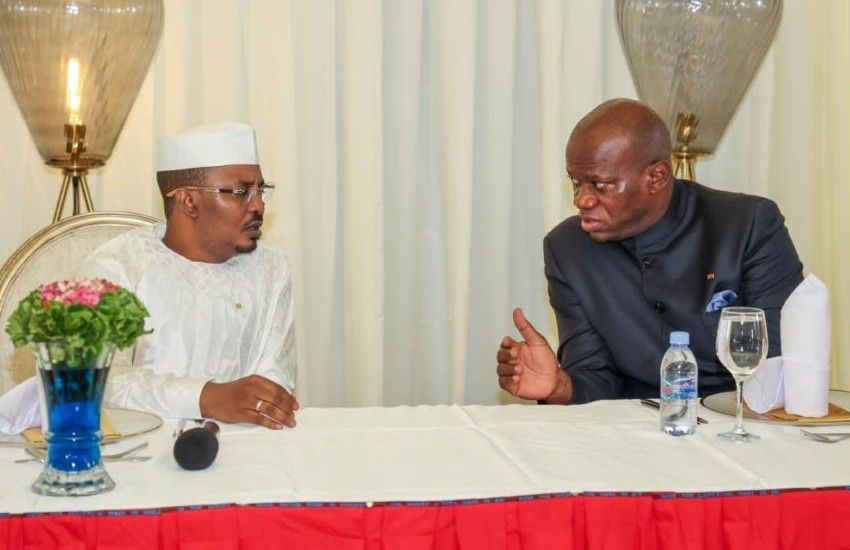

N’Djamena, July 15, 2026 — The African water summit in Chad’s capital is more than a diplomatic gathering; it’s a turning point in how the continent addresses its most pressing resource challenge. As Gabon’s President Brice Clotaire Oligui Nguema arrived in N’Djamena to join regional leaders, water emerged as the defining strategic frontier of 21st-century Africa.
The two-day forum, co-organized by Chad and the World Bank, brings together heads of state, financial institutions, and development partners to confront a paradox: Africa holds nearly 9% of the world’s renewable freshwater yet millions still lack access to clean water or modern sanitation.
Water as the new geopolitical battleground
What was once seen as a social or health issue has become a cornerstone of economic stability, food security, and climate resilience. Experts warn that future conflicts—whether economic or military—will increasingly revolve around water management, not just oil or minerals. The forum’s theme, “From Vision to Action,” signals a shift from policy debates to concrete infrastructure solutions.
Gabon’s push for regional water solutions
President Oligui Nguema’s participation underscores Gabon’s commitment to turning its vast water potential into a driver of regional development. While Gabon boasts significant hydrological resources, rapid urbanization and aging infrastructure demand urgent modernization. The summit provides a platform to align national reforms with continental initiatives, leveraging international financing and technical partnerships to accelerate progress.
The World Bank, a key co-organizer, estimates Africa needs tens of billions of dollars annually to build dams, treatment plants, and distribution networks. The Gabonese delegation is advocating for shared strategies to meet these needs, emphasizing that water security is inseparable from economic sovereignty.
From promises to pipelines
Past summits have produced declarations, but the challenge now is execution. Barrages, desalination plants, and wastewater recycling systems must transition from blueprints to functioning assets. The forum’s focus on actionable financing models reflects a collective recognition: without these systems, Africa’s demographic growth and industrial ambitions will stall.
The stakes are clear. Water infrastructure will determine whether African nations can harness their natural wealth to build resilient, prosperous futures—or remain trapped in cycles of scarcity and instability. As debates continue in N’Djamena, one truth is undeniable: the continent’s next great infrastructure race has already begun.