Western powers rethink their approach to Sahel nations amid shifting geopolitical dynamics
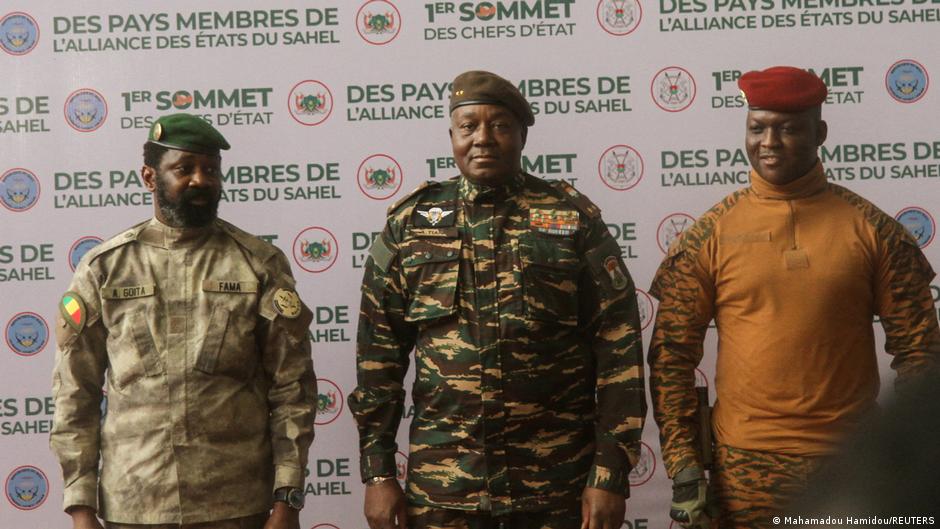
The European Union and the United States are recalibrating their strategies toward the Sahel region, marked by recent diplomatic overtures and financial commitments. These moves come as regional blocs like the Alliance of Sahel States (AES) gain momentum, prompting Western powers to adapt their engagement models.
Key developments shaping new partnerships
- Washington’s financial engagement: Earlier this year, the U.S. State Department finalized a five-year bilateral agreement with Burkina Faso, allocating $147 million to support HIV/AIDS and related health initiatives in the country. This follows earlier expressions of respect for Niger’s transitional government sovereignty during high-level discussions.
- EU’s diplomatic outreach: European Union Special Representative João Cravinho recently visited Bamako, signaling a potential thaw in relations despite prior tensions between Mali’s military authorities and Brussels.
- Shift toward bilateral cooperation: Western nations are pivoting from regional frameworks to country-specific engagements, leveraging economic, humanitarian, and security partnerships to maintain influence.
These adjustments reflect a broader trend: Western powers are balancing strategic interests—such as counterterrorism cooperation and access to critical minerals—while navigating the growing assertiveness of Sahelian governments seeking greater autonomy.
Analysts weigh in: cautious optimism or tactical reset?
DW: João Cravinho’s visits to Sahelian capitals suggest a potential thaw in relations with the Alliance of Sahel States (AES). Is this the beginning of a rapprochement?
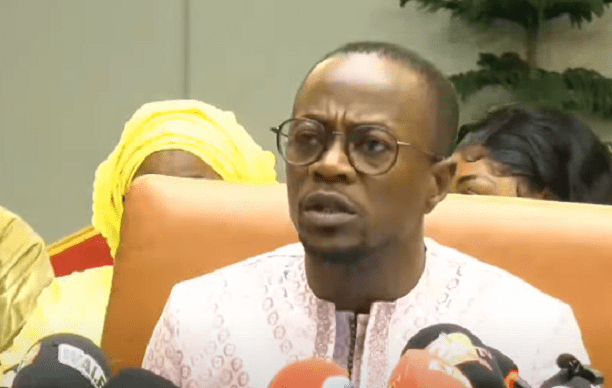
Francis Kpatindé, West Africa specialist: Caution is warranted. The Sahel has repeatedly defied expectations, and while there may be hints of a thaw, outright reconciliation remains elusive. Relations between Western powers and Sahelian states remain strained, though there are signs of pragmatic engagement.
DW: The U.S. recently signed a landmark agreement with Burkina Faso, focusing on health initiatives. Is this a positive indicator of renewed cooperation?
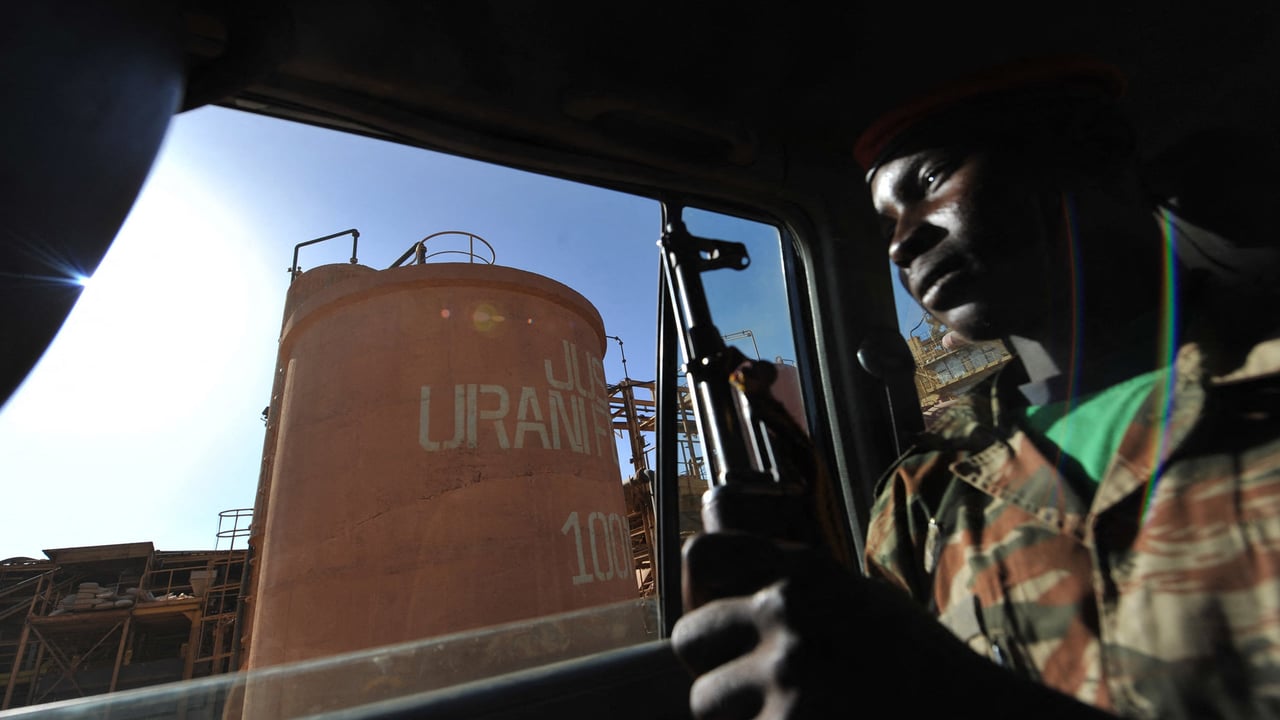
Francis Kpatindé: Absolutely. This reflects a broader strategy: limited economic, humanitarian, and security cooperation—including military training—to address shared threats like terrorism. Western powers recognize that instability in the Sahel can have ripple effects beyond the region. However, economic interests also play a role. Niger’s uranium, Burkina Faso’s gold, and Mali’s vast gold reserves are undeniable incentives for engagement.
EU’s pivot: from regional blocs to bilateral ties
DW: The EU appears to be abandoning its regional approach in favor of bilateral engagements. Do you agree?
Francis Kpatindé: Without a doubt. Germany, for instance, maintains strong ties with several Sahelian nations, offering alternative diplomatic channels. The legacy of French colonial influence complicates relations, as Sahelian states seek to distance themselves from Paris. However, France can leverage partnerships with other EU members—like Germany or Hungary—to maintain minimal diplomatic contact with Mali, Niger, and Burkina Faso.
This evolving dynamic underscores a critical truth: Western engagement in the Sahel is no longer a one-size-fits-all model. It’s a patchwork of pragmatic alliances, driven by mutual necessity rather than ideological alignment.
What’s next for Sahel-Western relations?
The coming months will reveal whether these initial overtures—financial aid, diplomatic visits, and sector-specific agreements—translate into sustainable partnerships. For now, the approach remains tentative, balancing carrots (aid, cooperation) with sticks (pressure on governance issues), while Western powers navigate a region increasingly charting its own course.