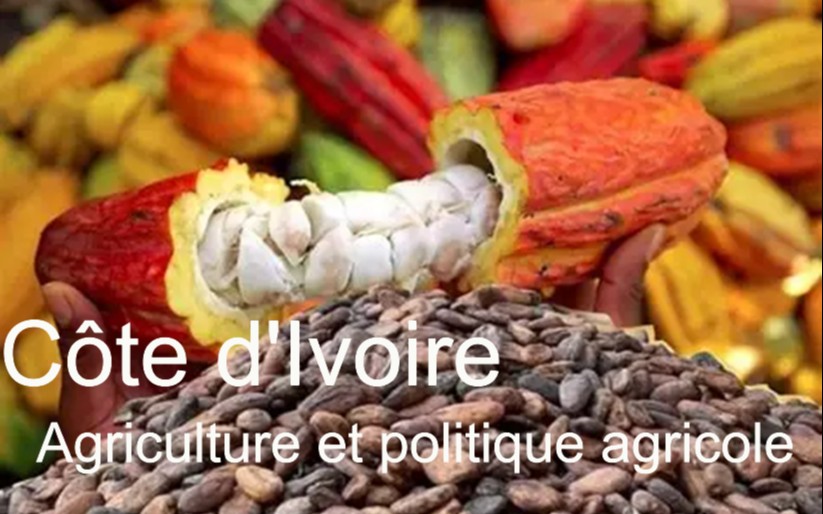
The Côte d’Ivoire stands out as one of West Africa’s most robust economies, a growth trajectory fundamentally rooted in agriculture. At independence, this sector accounted for nearly half of the country’s GDP. By 2024, its contribution had declined to 15.9%, yet agriculture continues to employ 46% of the workforce directly. Moreover, agricultural products dominate the trade balance, representing 51.5% of exports in 2025.
The disparities in poverty rates are stark between urban and rural areas. In rural regions, poverty affects 54.4% of the population, compared to the national average of 37.5%. Within these rural communities, employment is predominantly agricultural. Shockingly, approximately 90% of farmers fall within the lowest income decile, and within the cocoa industry—a key economic driver—60% of farmers live below the national poverty threshold.
Côte d’Ivoire’s agricultural landscape thrives on industrial and cash crops, securing its position as the world’s leading producer of cocoa and cashews, and ranking third in natural rubber output. However, the country remains heavily reliant on imports for essential food items like cereals and fish, which are vital to the daily diets of urban residents. The local food production sector is fragmented and largely informal, leaving many smallholder farmers with limited access to markets and economic opportunities.